

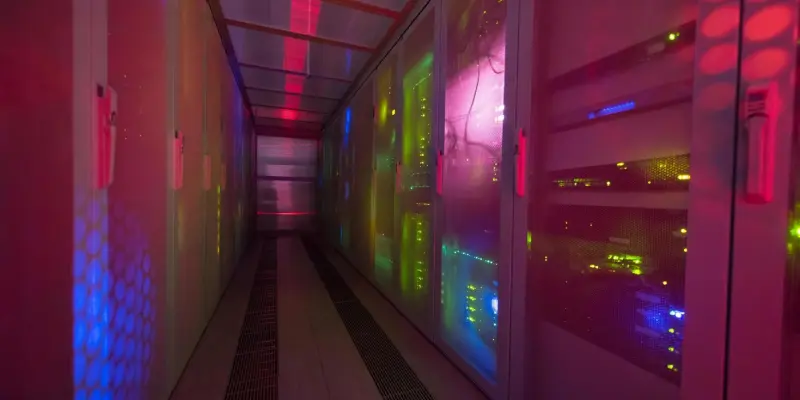
Microsoft is set to expand its data center presence in Indiana through a recent rezoning initiative that encompasses additional land acquisition. The St. Joseph County Area Plan Commission has given a favorable nod to transform 40 acres of farmland located near the intersection of Cleveland Road and Currant Road. This land rezoning is critical to enable the tech giant to proceed with its ambitious plan for a sprawling data center campus. Adjacent to an existing 929 acres that Microsoft purchased for a hefty $77.5 million, this additional land sets the stage for potential large-scale infrastructure. While the specifics of the project are yet to be revealed, the move is part of a broader industry trend where significant tech players are growing their footprint in Indiana, turning the region into an influential hub for data center activities.
Potential and Challenges
The rezoning proposal posits several arguments in favor of transforming the land from agricultural use to industrial development. Given the parcel’s poor suitability for farming and its limited residential and utility services, industrial use appears to align better with the area’s developmental prospects. Nevertheless, the initiative has encountered local opposition. Concerns revolve around possible negative impacts like increased construction traffic, electricity demands, and the potential loss of agricultural land. Environmentalists have also raised alarms about the potential risks to Juday Creek, an important local waterway. Nevertheless, the project’s proponents, viewing the rezoning as essential for regional economic growth, underscore the possibility of job creation and further industrial opportunities.
Commitment Amid Uncertainty
Despite some data center projects temporarily being on hold due to potential oversupply concerns, Microsoft remains steadfast in its commitment to investing in data center and AI infrastructure. This move signifies a strategic alignment with industry projections forecasting increasing demands for technology and digital infrastructure. The expansion in Indiana follows a trend where tech firms like Meta and Digital Crossroads are actively making or planning considerable investments in the region. Indiana is gaining importance in the data center sector, and Microsoft’s planned investment indicates a confident outlook for future growth. Through strategic development and partnerships, Microsoft aims to reshape both the technological landscape and local economy, even when faced with current environmental and logistical hurdles. By securing rezoning and expansion in Indiana, Microsoft strategically strengthens its role in the data center space. Future efforts may prioritize community engagement, environmental responsibility, and risk management, securing Microsoft’s position in Indiana’s thriving data center ecosystem.