

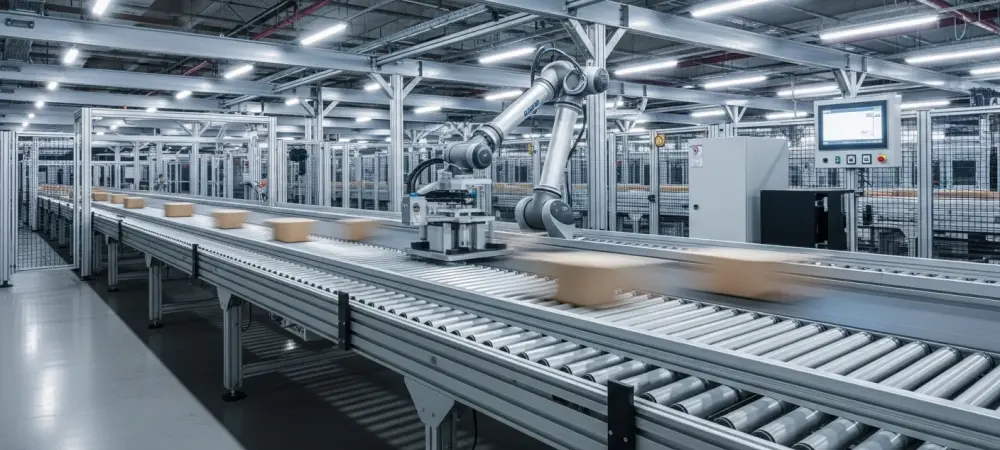
The rapid metamorphosis of enterprise resource planning from a static back-office database into a fluid, sentient nervous system has fundamentally redefined how modern organizations operate. Today, the Microsoft Dynamics ecosystem no longer functions as a mere collection of disconnected software tools but acts as a sophisticated, integrated environment where data flows with unprecedented autonomy. This review explores the current state of this technological landscape, examining how its cloud-native architecture and specialized extensions create a competitive advantage that traditional, monolithic ERP systems struggle to match. By focusing on the synergy between the core platform and its sprawling network of independent software vendors, one can observe a shift from simple digital record-keeping toward proactive, intelligent business management.
The Architecture of a Modern ERP Hub
The current structural integrity of the Microsoft Dynamics ecosystem is anchored by Dynamics 365 Business Central, which has transitioned from its legacy roots into a fully realized cloud-native engine. Unlike the rigid installations of the past, this modern iteration utilizes a flexible, API-first design that prioritizes connectivity over isolation. This shift is significant because it allows the central hub to communicate instantaneously with external data streams, creating a unified environment where financial data, supply chain logistics, and customer interactions are no longer siloed. This democratization of high-level architecture means that mid-market enterprises now possess the same technological agility that was once the exclusive domain of massive conglomerates.
Furthermore, the transition to the Azure cloud environment has replaced the burden of local server maintenance with a model based on high availability and elastic scalability. This infrastructure allows businesses to expand their digital footprint without the traditional friction of hardware upgrades or manual software patches. The result is a “single source of truth” that remains resilient even as data volumes grow exponentially. This architectural evolution matters because it provides a standardized yet extensible framework, allowing organizations to maintain a stable core while rapidly adopting new functionalities as market conditions fluctuate.
Key Components of the Integrated Solution Environment
Dynamics 365 Business Central as the Core Engine
At the heart of this digital transformation lies Business Central, serving as the primary processing unit for business logic and financial integrity. Its role is comparable to a high-performance engine that powers every other specialized application within the system. The unique value proposition here is the standardization of core processes, which ensures that regardless of how many third-party tools are added, the underlying financial ledger and reporting structures remain consistent. This stability is vital for maintaining compliance and providing a reliable foundation for data-driven insights across the entire enterprise.
The ISV Extension Layer and API Connectivity
Surrounding the core engine is a vibrant layer of Independent Software Vendor (ISV) applications that function as modular plug-ins. This modularity is a technical triumph, as it allows for deep customization without the hazardous practice of altering the core source code. Whether a business requires advanced tax automation, specialized warehouse logistics, or complex payroll handling, these “best-of-breed” extensions snap into the existing framework via robust APIs. This approach ensures that when Microsoft pushes a platform update, the custom industry-specific features do not break, significantly reducing the long-term total cost of ownership and technical debt.
Emerging Trends in AI-Driven Automation and Low-Code Development
The most striking advancement in the current landscape is the rise of “Agentic” workflows, where artificial intelligence moves beyond passive analysis to active execution. Innovative agents now handle complex tasks such as jurisdictional tax compliance and demand forecasting with minimal human intervention. This transition from a “system of record” to a “system of intelligence” means that the software is no longer just a place to store data; it is a partner that anticipates needs and executes routine transactions autonomously. By automating these high-frequency, low-variability tasks, the technology effectively eliminates the “human bottleneck” in data processing.
Simultaneously, the industry is witnessing a massive pivot toward “no-code” and “low-code” development environments. This trend is crucial because it breaks the reliance on specialized developers for every minor integration or reporting tweak. Business analysts and department heads can now build custom workflows and data visualizations using intuitive, drag-and-drop interfaces. This democratization of development accelerates the pace of digital transformation, allowing companies to pivot their operations in days rather than months. It represents a fundamental shift in power, placing the tools of innovation directly into the hands of those who understand the business needs best.
Real-World Applications Across Diverse Industry Verticals
The practical utility of this ecosystem is most evident when observing its deployment across specialized sectors, where generic solutions often fail. In the manufacturing and distribution realms, companies leverage mobile warehouse management systems (WMS) to bridge the gap between physical inventory and digital records. By using real-time container tracking and automated scanning, these organizations eliminate manual errors and maintain a precise view of their global supply chains. This level of accuracy is essential in a high-velocity market where even minor discrepancies in stock levels can lead to significant financial losses.
In contrast, process manufacturing industries like food, beverage, and chemical production utilize the ecosystem to manage complex formula-based batching. Unlike discrete manufacturing, which counts individual units, these sectors require software that can calculate yields, manage shelf life, and ensure strict quality control across various mixtures. Meanwhile, in the financial services and e-commerce sectors, the technology handles high-volume B2B payment processing and automated accounts payable workflows. This versatility proves that the ecosystem is not a “one-size-fits-all” product but a customizable toolkit capable of addressing the specific pain points of diverse business models.
Technical Hurdles and Market Obstacles
Despite the impressive progress, the journey toward a fully automated enterprise is not without its complications. Data migration remains a primary hurdle, particularly for organizations moving from legacy on-premise systems like Dynamics GP. The complexity of mapping decades of historical data into a modern, cloud-based structure often requires extensive cleanup and validation to ensure integrity. Furthermore, the reliance on multiple third-party integrations introduces a layer of complexity regarding authorization management and audit compliance. Ensuring that various extensions play nicely together while maintaining strict security protocols is a constant challenge for IT administrators.
Another significant obstacle is the relentless pace of cloud updates, which requires a proactive approach to system maintenance. While automatic updates ensure the platform remains modern, they also demand that partners and internal teams stay vigilant to ensure that custom configurations remain compatible. To mitigate these risks, the market has seen a rise in “QuickStart” tools and standardized integration platforms (iPaaS) designed to simplify the deployment process. These tools aim to reduce the time-to-value for new implementations, yet the human element—specifically the need for specialized training and change management—remains a critical factor in the success or failure of these digital initiatives.
Future Outlook and Long-Term Impact
The trajectory of the Microsoft Dynamics ecosystem points toward a future characterized by “frictionless commerce.” We are moving toward an era where the ERP system acts as a predictive advisor, utilizing machine learning to offer prescriptive guidance on maximizing profit margins and optimizing stock levels before a crisis occurs. The integration of advanced analytics will likely evolve to a point where the system can simulate various business scenarios, allowing leaders to test the impact of strategic decisions in a virtual environment before committing resources. This shift will fundamentally alter the role of the finance and operations teams, moving them from reactive reporting to strategic steering.
In the long term, this technology is poised to become the backbone of autonomous business operations. As the connectivity between suppliers, manufacturers, and retailers becomes more seamless, the need for manual intervention in the supply chain will continue to diminish. This evolution will not only increase global productivity but also allow human talent to focus on high-level innovation and creative problem-solving. The ultimate impact will be a more resilient global economy, where businesses can respond to disruptions with the speed and precision of a well-oiled digital machine.
Summary of the Ecosystem Review
The analysis of the Microsoft Dynamics ecosystem demonstrated that the platform has successfully matured into a versatile and deeply interconnected technological hub. Business Central proved to be a reliable core, while the diverse array of ISV extensions provided the necessary specialization for various industry verticals. The shift toward AI-driven automation and low-code platforms was identified as a primary driver of modern operational resilience, effectively lowering the barrier to entry for advanced digital tools. While technical challenges such as data migration and update compatibility persisted, the overall trajectory of the technology showed a clear move toward reducing manual friction and enhancing strategic decision-making. Ultimately, the review established that this ecosystem provided the essential infrastructure for organizations seeking to navigate the complexities of a cloud-first, intelligence-driven market. For those looking to implement these solutions, the next logical step involved conducting a thorough audit of existing legacy data and identifying specific industry extensions that aligned with their long-term growth objectives. This proactive planning ensured that the transition to an automated environment was both stable and scalable. Additionally, investing in continuous training for internal staff helped bridge the gap between technical capability and practical application. Future considerations should focus on how these integrated tools can be leveraged to create new revenue streams through enhanced data transparency and customer engagement strategies.