

Restoring Functional Continuity to the Windows 11 Taskbar
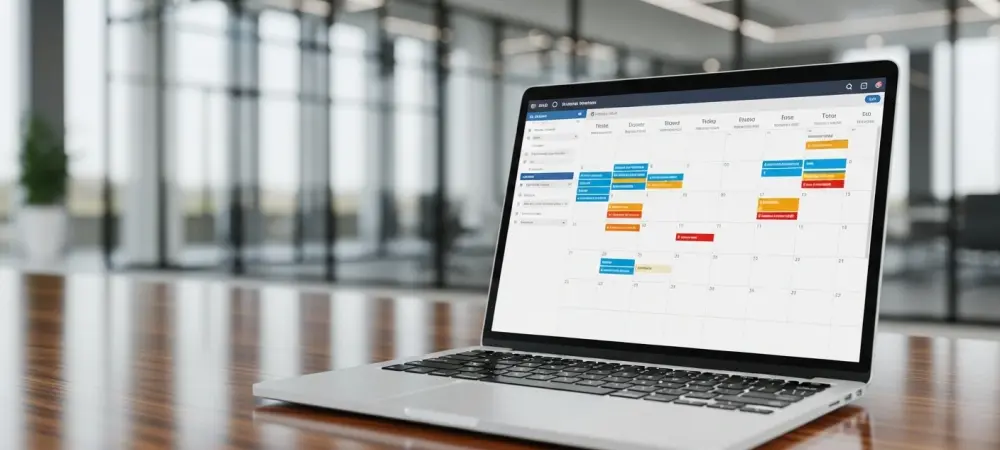
The sleek visual overhaul of the Windows 11 operating system initially came at a significant cost to long-standing user productivity habits and essential workflow tools. The evolution of the interface has been a journey of modernization, yet it has frequently been marked by the removal and slow restoration of legacy features that users considered essential. Among these, the Agenda View—a convenient flyout that allows users to see their upcoming calendar events directly from the taskbar—has become a symbol of the friction between new design philosophies and user productivity needs. While Windows 10 users relied heavily on this integration for quick scheduling checks, Windows 11 launched with a simplified calendar that lacked any event integration. This timeline explores the development hurdles, the missed deadlines, and Microsoft’s recent efforts to clarify the future of this missing piece of the user experience. Understanding this trajectory is vital as it reflects a broader struggle to balance aesthetic minimalism with the robust functionality that power users demand.
Chronological Progression of the Agenda View Development
2021: The Launch of Windows 11 and the Missing Calendar Integration
When Windows 11 was first introduced to the public, users were surprised to find that the calendar flyout on the taskbar was strictly decorative. Unlike its predecessor, which integrated directly with the Outlook and Mail apps to display daily schedules, the new version only showed the date and a monthly grid. Microsoft initially defended this change as part of a move toward a cleaner interface and redirected users to the new Widgets board for their scheduling needs. However, the feedback was overwhelmingly negative, as users preferred the one-click accessibility of the taskbar over the more cluttered and resource-heavy Widgets panel.
2023: Rumors of Restoration and the December Preview Goal
After years of user requests via the Feedback Hub, internal reports and leaks suggested that Microsoft was finally working on a native Agenda View for the Windows 11 taskbar. By mid-2023, expectations were set that a preview version of this feature would be available to Windows Insiders by December. This was seen as a major win for the community, signaling that the company was willing to walk back some of its more controversial UI simplifications. As the end of the year approached, anticipation grew, with users expecting a holiday gift in the form of improved productivity tools.
Early 2024: Silence and Growing Concerns of Cancellation
The December deadline passed without any mention of the Agenda View in official Windows Insider build notes. This silence persisted through the first quarter of 2024, leading to widespread speculation among tech enthusiasts and journalists that the project had been quietly shelved or deprecated. The lack of communication from Redmond suggested that the technical debt associated with the new taskbar architecture was more significant than anticipated, casting doubt on whether the feature would ever see the light of day in the current operating system iteration.
Present Day: Microsoft Issues Clarification on Project Status
In response to mounting inquiries regarding the status of the feature, Microsoft officially confirmed to industry outlets that the Agenda View is not canceled. The company clarified that the development team is currently refining the foundational elements of the experience to ensure it aligns with modern performance and reliability standards. While no specific release date was provided, the confirmation served to quiet rumors of the feature’s demise. The priority remains a high-quality delivery for the public preview, even if it means extending the wait for the general user base.
Turning Points in the Restoration Journey
The most significant turning point in this timeline is the transition from a design-first approach to a feedback-driven development cycle. This admission that the feature is still in the works highlights a realization that the Widgets board is not a total replacement for taskbar-level integration. This delay points to a recurring pattern in Windows 11 development: the difficulty of porting legacy features into a modern code base that was built from scratch using different UI frameworks. The technical hurdles suggest that the taskbar, which was rebuilt for Windows 11, presents unique challenges when attempting to reintegrate live data feeds like calendar events without compromising system stability.
Technical Refinement and the Future of Windows Productivity
Beyond the immediate goal of restoring the calendar flyout, this situation highlighted the competitive pressure from other operating systems that prioritized seamless notification and scheduling hubs. Experts suggested that the delay was likely attributed to the transition toward the New Outlook client, as the Agenda View must pull data from a backend that underwent its own massive transition. There was also a possibility that developers looked to infuse this view with AI-driven insights from Copilot, which explained the need for more robust foundational work. As the project moved forward, the focus shifted toward ensuring that the eventual update would integrate perfectly with the evolving web-based architecture of Microsoft’s productivity suite. Monitoring the upcoming Canary and Dev channel builds remained the primary way for users to track the arrival of this long-awaited utility.