
Microsoft Begins Testing Windows 11 25H2 in Dev Channel

Article Highlights
Off On

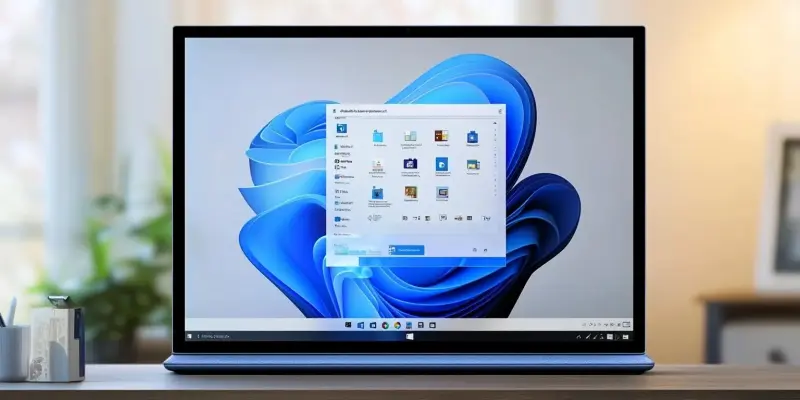
Microsoft is forging ahead with its continual enhancements of Windows 11, as evidenced by the early testing of its next major update, Windows 11 25H2. Although this comes on the heels of the recent 24H2 update, development never halts, and Microsoft ensures its commitment to ongoing improvements. Currently, only Windows Insiders in the Dev Channel have access to these early 26200 series builds, which mainly feature a version number change and mark a shift in the build series.

Integration of Beta Channel Features

The update signals the start of a significant development phase, with Microsoft planning to integrate many of the same features present in the 26120 series builds from the Beta Channel. Over time, the 26200 series builds will undergo behind-the-scenes platform changes, which may lead to different known issues compared to the Beta Channel versions. Although there’s little new content to explore at this stage, early adopters of the Dev Channel are at the forefront of testing what will eventually evolve into Windows 11 25H2, slated for release in the latter half of the year.

For users not ready to jump into the Dev Channel, Microsoft provides a brief window to switch back to the Beta Channel, emphasizing that once Build 26200.5510 is installed, this switch will no longer be possible. This strategic move showcases Microsoft’s plan to refine and stabilize the builds before the official release. The current state of Windows 11 25H2 reflects Microsoft’s methodology of iterative enhancements and close user feedback integration, ensuring a steady stream of updates that cater to evolving user needs and technological advancements.

User Testing and Feedback Integration

Microsoft continues to prioritize feedback and testing from its Dev Channel insiders to refine new features and ensure a seamless user experience upon the broader roll-out. Their ongoing dedication to updating and improving Windows 11 aims to cater better to the evolving needs and preferences of their user base. Thus, each new update is another step towards providing a more efficient, user-friendly, and modern operating system tailored to its diverse user community.

Explore more

AI Redefines Software Engineering as Manual Coding Fades

The rhythmic clacking of mechanical keyboards, once the heartbeat of Silicon Valley innovation, is rapidly being replaced by the silent, instantaneous pulse of automated script generation. For decades, the ability to hand-write complex logic in languages like Python, Java, or C++ served as the ultimate gatekeeper to a world of prestige and high compensation. Today, that gate is being dismantled

Is Writing Code Becoming Obsolete in the Age of AI?

The 3,000-Developer Question: What Happens When the Keyboard Goes Quiet? The rhythmic tapping of mechanical keyboards that once echoed through every software engineering hub has gradually faded into a thoughtful silence as the industry pivots toward autonomous systems. This transformation was the focal point of a recent gathering of over 3,000 developers who sought to define their roles in a

Skills-Based Hiring Ends the Self-Inflicted Talent Crisis

The persistent disconnect between a company’s inability to fill open roles and the record-breaking volume of incoming applications suggests that modern recruitment has become its own worst enemy. While 65% of HR leaders believe the hiring power dynamic has finally shifted back in their favor, a staggering 62% simultaneously claim they are trapped in a persistent talent crisis. This paradox

AI and Gen Z Are Redefining the Entry-Level Job Market

The silent hum of a server rack now performs the tasks once reserved for the bright-eyed college graduate clutching a fresh diploma and a stack of business cards. This mechanical evolution represents a fundamental dismantling of the traditional corporate hierarchy, where the entry-level role served as a primary training ground for future leaders. As of 2026, the concept of “paying

How Can Recruiters Shift From Attraction to Seduction?

The traditional recruitment funnel has transformed into a complex psychological maze where simply posting a vacancy no longer guarantees a single qualified applicant. Talent acquisition teams now face a reality where the once-reliable job boards remain silent, reflecting a fundamental shift in how professionals view career mobility. This quietude signifies the end of a passive era, as the modern talent