
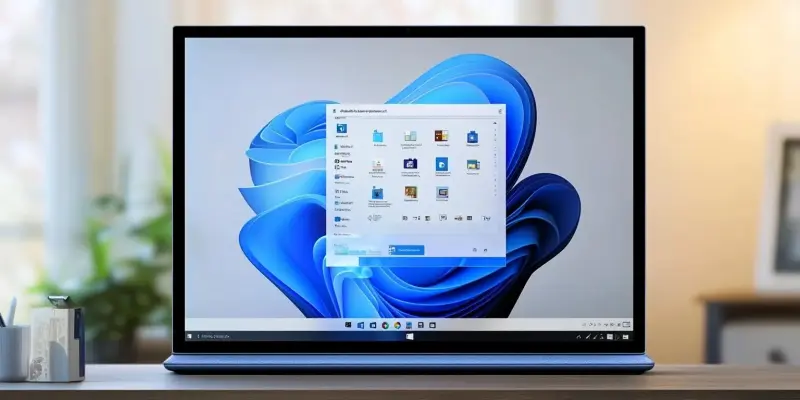
Microsoft Begins Testing Windows 11 25H2 in Dev Channel

Article Highlights
Off On

Microsoft is forging ahead with its continual enhancements of Windows 11, as evidenced by the early testing of its next major update, Windows 11 25H2. Although this comes on the heels of the recent 24H2 update, development never halts, and Microsoft ensures its commitment to ongoing improvements. Currently, only Windows Insiders in the Dev Channel have access to these early 26200 series builds, which mainly feature a version number change and mark a shift in the build series.

Integration of Beta Channel Features

The update signals the start of a significant development phase, with Microsoft planning to integrate many of the same features present in the 26120 series builds from the Beta Channel. Over time, the 26200 series builds will undergo behind-the-scenes platform changes, which may lead to different known issues compared to the Beta Channel versions. Although there’s little new content to explore at this stage, early adopters of the Dev Channel are at the forefront of testing what will eventually evolve into Windows 11 25H2, slated for release in the latter half of the year.

For users not ready to jump into the Dev Channel, Microsoft provides a brief window to switch back to the Beta Channel, emphasizing that once Build 26200.5510 is installed, this switch will no longer be possible. This strategic move showcases Microsoft’s plan to refine and stabilize the builds before the official release. The current state of Windows 11 25H2 reflects Microsoft’s methodology of iterative enhancements and close user feedback integration, ensuring a steady stream of updates that cater to evolving user needs and technological advancements.

User Testing and Feedback Integration

Microsoft continues to prioritize feedback and testing from its Dev Channel insiders to refine new features and ensure a seamless user experience upon the broader roll-out. Their ongoing dedication to updating and improving Windows 11 aims to cater better to the evolving needs and preferences of their user base. Thus, each new update is another step towards providing a more efficient, user-friendly, and modern operating system tailored to its diverse user community.

Explore more

What If Data Engineers Stopped Fighting Fires?

The global push toward artificial intelligence has placed an unprecedented demand on the architects of modern data infrastructure, yet a silent crisis of inefficiency often traps these crucial experts in a relentless cycle of reactive problem-solving. Data engineers, the individuals tasked with building and maintaining the digital pipelines that fuel every major business initiative, are increasingly bogged down by the

What Is Shaping the Future of Data Engineering?

Beyond the Pipeline: Data Engineering’s Strategic Evolution Data engineering has quietly evolved from a back-office function focused on building simple data pipelines into the strategic backbone of the modern enterprise. Once defined by Extract, Transform, Load (ETL) jobs that moved data into rigid warehouses, the field is now at the epicenter of innovation, powering everything from real-time analytics and AI-driven

Trend Analysis: Agentic AI Infrastructure

From dazzling demonstrations of autonomous task completion to the ambitious roadmaps of enterprise software, Agentic AI promises a fundamental revolution in how humans interact with technology. This wave of innovation, however, is revealing a critical vulnerability hidden beneath the surface of sophisticated models and clever prompt design: the data infrastructure that powers these autonomous systems. An emerging trend is now

Embedded Finance and BaaS – Review

The checkout button on a favorite shopping app and the instant payment to a gig worker are no longer simple transactions; they are the visible endpoints of a profound architectural shift remaking the financial industry from the inside out. The rise of Embedded Finance and Banking-as-a-Service (BaaS) represents a significant advancement in the financial services sector. This review will explore

Trend Analysis: Embedded Finance

Financial services are quietly dissolving into the digital fabric of everyday life, becoming an invisible yet essential component of non-financial applications from ride-sharing platforms to retail loyalty programs. This integration represents far more than a simple convenience; it is a fundamental re-architecting of the financial industry. At its core, this shift is transforming bank balance sheets from static pools of