

With data centers becoming the physical backbone of our digital world, their placement is sparking intense debate. From rural farmlands to post-industrial cities, communities are grappling with the immense energy and land requirements of these facilities. In Michigan, this tension has reached a new level, with a proposal for a statewide moratorium on new data center construction. We’re joined by Dominic Jainy, an expert on the intersection of technology infrastructure and public policy, to unpack this complex issue. We’ll explore the push to redirect these developments to urban brownfields, the diverse coalition of opposition, and the fundamental conflict between technological growth and the preservation of agricultural land.
Representative Jennifer Wortz is proposing a one-year, statewide data center moratorium to allow for research. What specific questions would this research aim to answer, and what criteria should be used to determine the best locations for these large-scale facilities?
A one-year pause isn’t just about hitting the brakes; it’s about drawing a map for the future. The research needs to be a comprehensive statewide audit. The first question is always about power and water: where does our grid have the capacity to support a massive new load without crippling local utilities or requiring costly new transmission lines that slice through communities? We need to analyze our energy infrastructure not just as it is, but where it’s headed. The research should also create a site-suitability index, a set of criteria that goes beyond simple zoning. It would score potential locations based on existing infrastructure, proximity to a skilled workforce, and the potential for land-use conflict. The goal is to move from a reactive “not in my backyard” approach to a proactive strategy that guides these facilities to places where they can be assets, not burdens, preventing the “erosion of land use” that Representative Wortz is rightly concerned about.
The proposal suggests redirecting data center development from rural farmland to urban brownfields in places like Detroit and Flint. What are the primary logistical and economic challenges to this approach, and how might the state incentivize developers to choose these specific urban sites over rural ones?
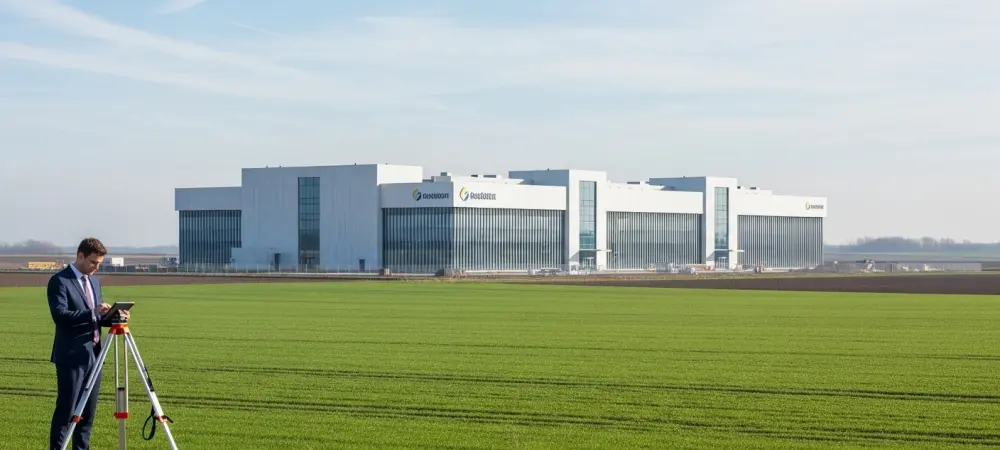
It’s a fantastic idea in principle, but the reality is incredibly complex. A developer sees a rural field and sees a blank canvas—it’s flat, cheap, and has few immediate neighbors. A brownfield in Detroit or Flint, on the other hand, is a canvas that’s already been painted, torn, and possibly contaminated. The primary challenge is cost. Remediating a brownfield site can be a multi-million dollar undertaking before a single shovel of dirt is moved for the new project. Then there’s infrastructure; the power grids and water mains in these older industrial areas may not have been updated in thirty years and could require a massive, expensive overhaul to meet a data center’s needs. To make this work, the state has to level the playing field. This means aggressive tax credits specifically for brownfield redevelopment, state-funded grants to cover the cost of environmental cleanup, and a streamlined permitting process that cuts through the red tape that often entangles urban projects. The incentive has to be strong enough to make the harder path the smarter financial choice.
Opposition to data centers is varied, citing concerns from potential spikes in local utility rates to broader worries about AI and job displacement. How does this wide range of motivations impact the political viability of a statewide moratorium, and which arguments seem to be gaining the most traction?
This is what makes the moratorium proposal so politically potent. It’s not a single-issue campaign; it’s a coalition of very different concerns. You have figures like Senator Bernie Sanders tapping into national anxieties about AI and wealth inequality, which resonates with a certain part of the electorate. But on the ground, in town hall meetings, the arguments that truly stick are the “bread-and-butter” issues. When you tell a homeowner their utility rates might spike to pay for new transmission lines, that’s a direct hit to their wallet. When a farmer sees a neighbor’s productive land get optioned for a solar array to power a data center, that feels like a threat to their livelihood and a way of life. While the philosophical debates about AI are important, it’s the tangible, local impacts—the changing character of a rural community, the loss of good farmground—that are galvanizing people and giving this moratorium real political momentum.
Concerns have been raised linking data centers to the conversion of productive farmland for related energy infrastructure, such as solar arrays. Considering cases like Saline Township, how can communities effectively balance the economic potential of data center projects with the long-term preservation of agricultural land?
The Saline Township case is a fascinating and crucial example of a community drawing a line in the sand. They didn’t reject the 250-acre data center project outright, but they fought and won a settlement that specifically prohibited the associated solar farm. This shows that compromise is possible, but it requires proactive and assertive local governance. The key is for communities to stop being reactive. Instead of waiting for a developer to knock on the door, townships need to update their master plans and zoning ordinances to explicitly designate agricultural preservation zones. They can create overlays that limit non-farm development on prime soils or establish clear guidelines for where large-scale energy projects are and are not appropriate. It’s about establishing a clear vision for the community’s future that balances economic development with the preservation of its essential character and resources, so you’re negotiating from a position of strength, not desperation.
While no state currently has a moratorium, proposals are being considered from Virginia to Oklahoma, and many local townships have already enacted them. What common triggers are leading communities to push back, and what unique economic or environmental factors are at play in the Michigan debate?
The common trigger across the country is scale. Communities are waking up to the sheer magnitude of these projects—not just the building itself, but the immense, unseen demands they place on the power grid and water supply. Residents see a proposal for a massive, windowless building that consumes more electricity than their entire town, and they start asking hard questions. What makes the Michigan debate unique is its deep connection to the identity of the state as both an industrial and agricultural powerhouse. The push to reuse brownfields in places like Flint and Detroit taps directly into the narrative of industrial rebirth. Simultaneously, the fierce opposition to converting “good, productive, agricultural farmground,” as Representative Wortz puts it, speaks to the state’s deep agricultural roots. It’s a conflict playing out between two foundational pillars of Michigan’s economy and identity, which makes the debate here particularly charged.
What is your forecast for the future of data center development in the face of this growing state and local opposition?
My forecast is that the era of easy, quiet approvals for data centers is over. We are entering a new phase of intense scrutiny and negotiation. I don’t believe we’ll see widespread, long-term moratoriums at the state level, as the economic and technological pressures to build are too immense. However, the pushback from communities and state legislators will force the industry to evolve. Developers will no longer be able to just pick the cheapest, flattest piece of land. They will be compelled to engage with communities much earlier in the process, to be more transparent about their energy and water needs, and to offer more substantial community benefit agreements. We will see a “flight to quality” in siting, where developers are pushed toward pre-zoned industrial areas and revitalized urban brownfields, as Representative Wortz advocates. The opposition isn’t going to stop data center development, but it is going to make it smarter, more sustainable, and more accountable.