

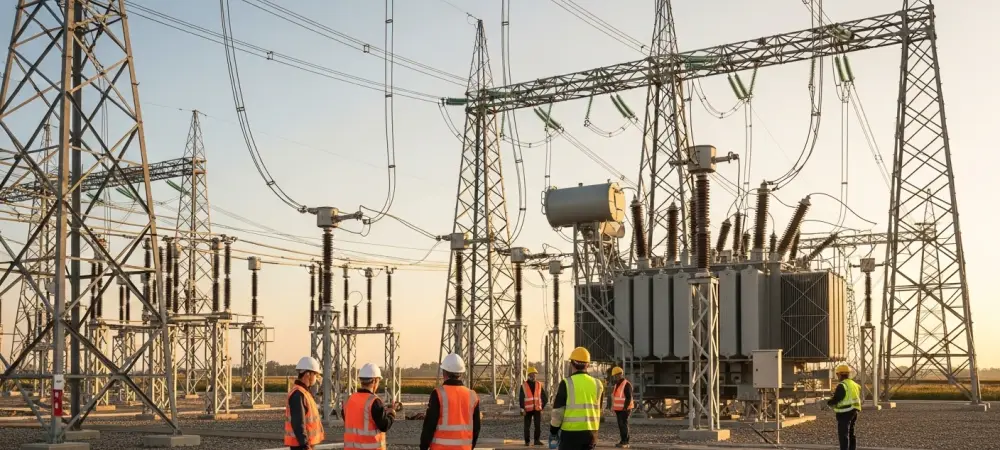
A single new development poised to consume the same amount of electricity as a mid-sized city has just received the green light in rural Michigan, setting a precedent that echoes far beyond its township lines and placing the community at the heart of a national debate. In Saline Township, a unanimous vote by state regulators has authorized utility company DTE Energy to supply an enormous 1.4 gigawatts of power to a new data center campus, a joint venture between tech giants Oracle and OpenAI. While officials herald the deal as a model of economic growth and risk mitigation, the decision has ignited a firestorm of local opposition, crystallizing the growing tension between the insatiable energy demands of the artificial intelligence boom and the communities asked to power it.
When Progress Demands a City’s Worth of Power Who Pays the Price
The Michigan Public Service Commission’s approval clears the way for what is being called the “Stargate” project, a massive facility designed to handle the immense computational needs of modern AI. The decision, however, was far from a quiet administrative procedure. It has become a flashpoint for local residents who fear the long-term consequences of hosting such a colossal industrial site, transforming their rural landscape into a critical node for Big Tech.
This local conflict is a microcosm of a broader national trend. As the AI revolution accelerates, the demand for data processing power is skyrocketing, forcing tech companies to seek vast tracts of land with access to immense energy resources. This expansion is increasingly pitting the promise of jobs and tax revenue against concerns over environmental strain, the burden on public utilities, and the fundamental alteration of community character.
The Unseen Engine of AI Why Data Centers Are Sparking National Debate
Artificial intelligence, championed by firms like OpenAI and Oracle, does not operate in a vacuum; it runs on a physical infrastructure of unprecedented scale. The complex algorithms and large language models that are reshaping industries require enormous, energy-guzzling data centers to function, turning these facilities into the unseen but essential engines of the digital age. Their power consumption is so significant that a single campus can rival the electricity needs of hundreds of thousands of homes.
Across the United States, small towns are becoming the new battlegrounds for technological expansion. Tech giants, drawn by available land and power capacity, are moving into communities unaccustomed to such massive industrialization. The Saline Township project serves as a critical case study in this escalating dynamic, highlighting the stark collision between the global ambitions of Silicon Valley and the grounded realities of local life.
The Stargate Project a Deal of Promises and Protests
In their proposal, Oracle and OpenAI presented the data center as a landmark partnership that would bring a wave of prosperity. They pledged to create high-paying union jobs, generate significant tax revenue for local schools and the township, and make grid payments structured to prevent electricity rate hikes for existing residents. Furthermore, they committed to an environmentally conscious design featuring a closed-loop cooling system to minimize water usage.
Regulators at the Michigan Public Service Commission found this proposal compelling, particularly the financial architecture designed to shield the public from risk. The approval was contingent on DTE Energy securing upfront collateral and substantial termination fees from the tech firms. The contract also includes minimum monthly charges, guaranteeing a steady revenue stream, and a “first to be cut” provision that makes the data center the first to lose power during a grid emergency, thereby protecting residential customers.
Despite these official assurances, the project has been met with fierce local backlash. During contentious public hearings, residents voiced deep-seated fears about potential air and water pollution stemming from the massive industrial development. Many accused regulators of capitulating to corporate and political pressure, feeling that their concerns about the disruption to their rural way of life were dismissed in favor of a high-stakes corporate deal.
Voices from the Front Lines Regulators Residents and Analysts Weigh In
Commission Chair Dan Scripps publicly defended the decision, emphasizing that the agreements provide “strong financial safeguards” to ensure the project delivers a “net financial benefit” to DTE’s other customers without exposing them to undue risk. The regulatory body maintains that its approval is rooted in a contract that places the financial burden squarely on the corporate developers, not the public.
This official justification stands in stark contrast to the sentiment on the ground. One local farmer captured the community’s visceral reaction to the initial land clearing, describing the development site as looking like “Armageddon.” This powerful statement illustrates the profound sense of loss and disruption felt by residents who see their familiar landscape being irrevocably altered.
The contentious nature of the approval has not gone unnoticed by financial observers. Analysts from BMO Capital Markets noted the difficult process, flagging the potential for “more challenges to future deals in the state.” This analysis suggests that rising public resistance is becoming a significant financial and political risk for utility companies and tech giants looking to expand their data center footprint.
The Emerging Playbook for High Stakes Energy Deals
The “Stargate” approval highlights an emerging corporate strategy for gaining a social license to build these megaprojects. Tech companies are increasingly creating a template for winning over communities by proactively offering a comprehensive package of economic incentives, such as jobs and tax benefits, alongside environmental concessions like water-saving technology.
In turn, this case established a potential framework for utility commissions tasked with managing unprecedented energy demands. By imposing strict contractual obligations—including collateral, hefty fees, and interruptible service clauses—regulators can shift the immense financial risks of such projects from the public onto the corporate clients themselves. This model of de-risking may become standard practice for future high-stakes energy deals.
Ultimately, the actions of Saline Township residents demonstrated an increasingly common blueprint for community resistance. By leveraging public hearings and raising pointed environmental concerns, local groups can effectively challenge large-scale developments, forcing greater accountability from both corporations and the regulatory bodies that oversee them. This Michigan case showed that while the project was approved, the path to that approval was fraught with challenges that have set a new precedent for community engagement and corporate negotiation.