

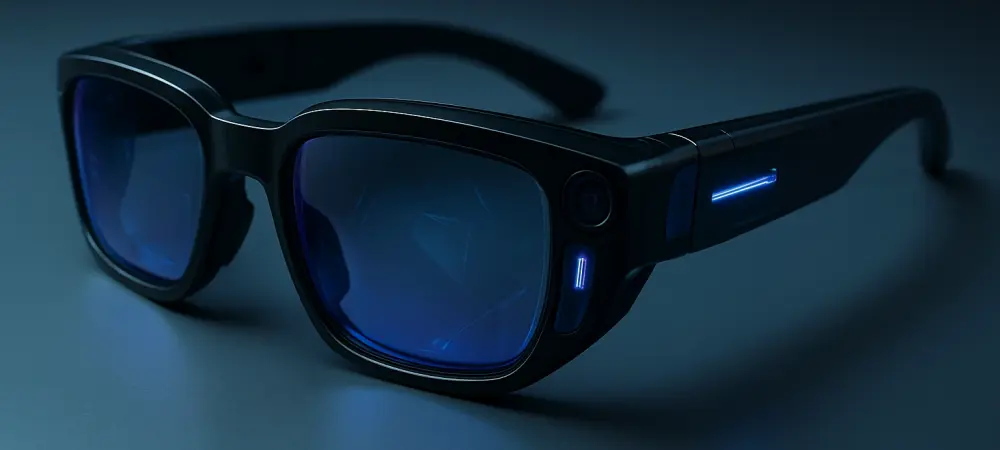
Imagine stepping into a world where your eyewear does more than correct your vision or shield your eyes from the sun—it becomes a gateway to digital information seamlessly overlaid on reality. In 2025, this vision is no longer a distant dream but a tangible innovation with Meta’s latest smart glasses, recently unveiled through an accidental leak, promising to redefine how consumers interact with technology in everyday scenarios. From navigation aids to real-time communication, Meta is carving a path toward integrating augmented reality (AR) into daily life. This review delves into the groundbreaking features of the Meta Ray-Ban Display and Oakley Meta Sphaera, exploring their potential to transform wearable tech.
Key Innovations in Meta’s Smart Glasses Lineup
Heads-Up Display: A Window to Digital Insights
The Meta Ray-Ban Display introduces a pioneering heads-up display embedded in the bottom of the right lens, a feature that sets it apart from previous iterations of smart eyewear. This subtle yet powerful addition offers users access to map previews, chat interactions, and contextual data about their surroundings, blending AR into a familiar Wayfarer-style frame. Leaked footage suggests a crisp, unobtrusive visual interface that could enhance activities like navigating busy streets or staying connected without glancing at a separate device.
While the exact resolution and field of view remain undisclosed, the display’s design prioritizes practicality over immersion, focusing on quick, glanceable information. This approach could minimize distractions, a common critique of earlier AR wearables, and make the technology accessible to a broader audience. If refined, this feature might set a new standard for how AR integrates into personal accessories without overwhelming the user.
Gesture Control via sEMG Wristband: Intuitive Interaction
Another standout feature is the gesture-based control enabled by an sEMG wristband, a device that detects muscle activations for hands-free operation. Demonstrations from the leak show users swiping fingers to respond to messages, suggesting a fluid and natural interaction method. This technology could eliminate the need for touch or voice inputs in certain contexts, offering a discreet way to manage notifications or commands.
However, the precision of gesture recognition in varied environments—such as during movement or in crowded spaces—remains a question mark. If Meta can ensure reliability across diverse scenarios, this input method could appeal to users seeking seamless human-computer interaction. The wristband’s non-invasive nature also hints at comfort, though long-term wearability and battery demands are aspects to watch for in official specifications.
Oakley Meta SphaerTailored for Athletic Performance
Distinct from the Ray-Ban model, the Oakley Meta Sphaera targets athletes with a design optimized for sports like cycling. Its centered camera placement, unlike the off-center setup in Ray-Ban variants, indicates a focus on capturing a balanced field of view during high-motion activities. This specialized approach underscores Meta’s strategy to cater to niche markets with purpose-built wearables. Beyond aesthetics, the Sphaera likely incorporates features for real-time data tracking, such as speed or distance metrics, directly into the user’s line of sight. This could prove invaluable for performance-driven individuals who need instant feedback without disrupting their focus. While specifics are sparse, the potential for rugged durability and sweat resistance would further align this model with athletic demands.
Market Context and Meta’s Competitive Edge
The smart eyewear sector is witnessing a surge of innovation, with companies like Amazon, Rokid, and Jio pushing boundaries in AR integration and AI-driven functionalities. Meta’s latest offerings stand out by balancing fashion with utility, embedding cutting-edge tech into frames that don’t scream “gadget.” This fusion positions Meta as a leader in making AR wearables socially acceptable and desirable for everyday use.
Compared to competitors, Meta’s emphasis on gesture control and specialized designs like the Sphaera shows a nuanced understanding of diverse user needs. If the leaked features translate into polished products, Meta could capture significant market share by appealing to both casual consumers and specific demographics like sports enthusiasts. The company’s existing partnerships with iconic brands like Ray-Ban and Oakley further bolster its credibility in blending style with substance.
Practical Applications Across Industries
For general users, the Meta Ray-Ban Display promises to simplify daily tasks through AR overlays, such as providing turn-by-turn navigation or displaying incoming messages without needing to check a phone. This could enhance productivity for professionals on the go or offer convenience for travelers exploring unfamiliar cities. The potential to interact with digital content hands-free adds a layer of efficiency to routine interactions.
In sports, the Oakley Meta Sphaera opens doors to performance optimization by delivering real-time analytics directly to an athlete’s field of vision. Cyclists, for instance, might benefit from speed or route data without diverting attention from the road. Beyond individual use, industries like fitness coaching or outdoor adventure could leverage such technology for guided training or safety alerts, expanding the scope of smart glasses beyond personal gadgets.
Unique applications might emerge in sectors like education or retail, where contextual AR could provide interactive learning aids or product information during shopping. While these use cases depend on software ecosystems and developer support, Meta’s track record in platform-building suggests a fertile ground for third-party innovations. The versatility of these glasses hints at a future where wearable tech permeates multiple facets of life.
Hurdles to Overcome in AR Wearables
Despite the excitement, several challenges loom over Meta’s smart glasses. Technical limitations, such as the clarity of the heads-up display in bright sunlight or the battery life required for sustained AR use, could hinder user satisfaction. Past AR devices have struggled with balancing power efficiency and performance, and Meta must address these to ensure practicality. Privacy concerns also pose a significant barrier, given the integration of cameras and data collection in wearable form factors. Public apprehension about constant recording, coupled with potential regulatory scrutiny, could slow adoption if not handled transparently. Meta will need robust privacy safeguards and clear communication to build consumer trust in this space.
Market dynamics present another obstacle, as the premium pricing often associated with cutting-edge wearables might limit accessibility. Without official details on cost or availability, speculation remains on whether Meta can target a wide demographic or if these glasses will cater to early adopters. Overcoming these adoption barriers will be crucial for mainstream success.
Looking Ahead: The Future of Meta’s Vision
As Meta continues to refine its smart glasses, advancements over the next few years—from 2025 onward—could include enhanced AR capabilities, such as wider fields of view or deeper integration with virtual assistants. Compatibility with broader ecosystems, including smartphones and IoT devices, might also evolve to create a more connected user experience. Such developments would solidify smart glasses as indispensable tools rather than novelty items.
Potential expansions into new demographics, like students or professionals in creative fields, could diversify Meta’s portfolio further. Tailored features for specific industries—think medical diagnostics or field engineering—might also emerge as AR matures. The long-term impact could reshape how society accesses information, communicates, and performs tasks across various domains.
Final Reflections on Meta’s Smart Glasses
Looking back, the accidental leak of Meta’s smart glasses offered a tantalizing glimpse into a transformative chapter of wearable technology. The heads-up display and gesture control of the Meta Ray-Ban Display, alongside the athletic focus of the Oakley Meta Sphaera, showcased a bold vision for AR integration. Despite challenges like technical constraints and privacy concerns, the potential of these devices to redefine daily interactions was evident. Moving forward, stakeholders should monitor Meta’s official announcements for clarity on specifications and pricing to gauge accessibility. Developers and businesses might consider exploring partnerships for app integration, unlocking new use cases. For consumers, staying informed about privacy policies and testing these glasses firsthand when available will be key steps to embracing this technology responsibly.