

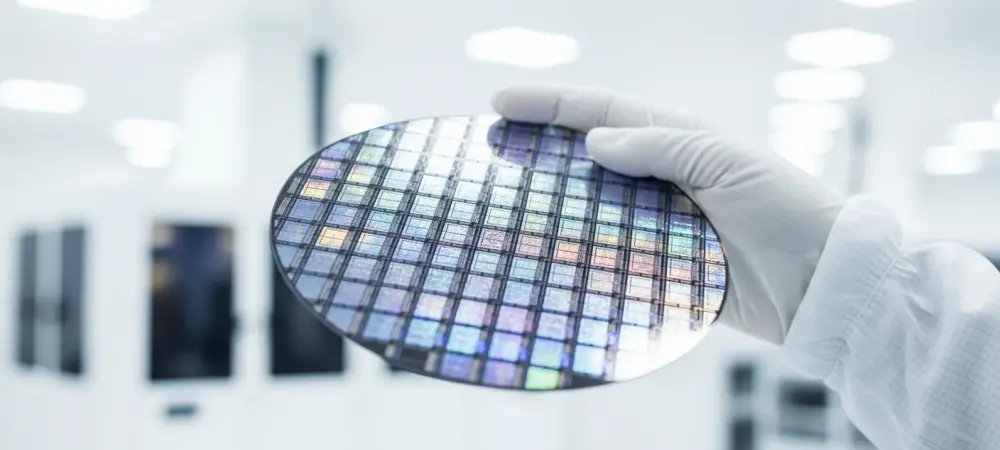
A critical and sustained global shortage of memory components has ignited a full-blown crisis across the technology sector, with skyrocketing prices forcing the industry’s most powerful companies into an unprecedented scramble for supply. Since the middle of 2025, the cost of essential memory chips has surged by an astonishing 300%, sending shockwaves through the supply chains responsible for everything from next-generation smartphones and PCs to the sprawling cloud infrastructure that powers the digital economy. This dramatic price inflation has created a high-stakes standoff, pushing major corporations to deploy their top executives on long-term missions to the heart of the memory manufacturing world. The situation has evolved beyond a simple supply-and-demand imbalance into a strategic battle for stability, pitting the immediate, desperate needs of global tech giants against the calculated, long-term financial gambles of the two South Korean manufacturers who hold the keys to the kingdom: Samsung and SK hynix.
A Corporate Pilgrimage for Supply Chain Stability
In an extraordinary display of corporate urgency, leading technology firms including Apple, Dell, Google, and Amazon have dispatched executives to South Korea for indefinite stays. These representatives are not there for brief negotiations but have taken up residence in hotels strategically located near the production facilities of Samsung and SK hynix. Their mission is to engage in a persistent, daily campaign of in-person lobbying to secure stable, long-term supply contracts that would span two to three years. This constant corporate presence aims to build relationships and exert pressure, hoping to carve out a guaranteed slice of the limited memory output at predictable prices. This unusual tactic has created an unexpected side effect: a significant economic boom for the local South Korean hospitality industry, which is now catering to a semi-permanent population of high-level international executives. The strategy underscores the sheer desperation felt by companies that see their production roadmaps and profit margins threatened by the volatile and punishingly expensive spot market for memory components. However, the memory suppliers at the center of this storm are playing a different game, demonstrating a strong reluctance to commit to the long-term deals their clients are clamoring for. From the perspective of Samsung and SK hynix, the current market conditions, while profitable, are not guaranteed to last. They speculate that the immense demand, largely fueled by the rapid expansion of AI data centers, may eventually plateau or even recede. Committing to supply agreements at today’s peak prices could prove to be a significant financial misstep if the market cools and prices moderate in the coming years. By resisting these long-term contracts, the manufacturers are hedging their bets, preferring to capitalize on the high prices of the spot market for as long as possible while retaining the flexibility to adapt to future shifts in demand. This strategic standoff has created a tense and uncertain environment, leaving the world’s largest tech companies with little choice but to maintain their physical presence and continue their daily lobbying efforts in hopes of a breakthrough.
Market Projections and the Inevitable Consumer Cost
Industry analysts offer a grim forecast for the technology market, predicting that the severe memory shortage is unlikely to abate before 2027 or even 2028. This prolonged period of scarcity and high costs will inevitably be passed on to the end-user. Consumers should brace for a noticeable increase in the retail prices of a wide range of electronic devices, from flagship smartphones to high-performance laptops and gaming consoles. Alternatively, manufacturers facing immense pressure to protect their profit margins may opt for a less direct, but equally impactful, strategy: compromising on product specifications. This could mean that upcoming device models are released with less RAM than their predecessors or peers, a move that would control manufacturing costs but potentially hinder performance and limit the device’s multitasking capabilities and overall longevity. This difficult trade-off between price and performance places manufacturers in a precarious position as they navigate consumer expectations in a resource-constrained environment, forcing them to make tough decisions that will define the next generation of tech products. The crisis ultimately served as a stark reminder of the intricate vulnerabilities within the global technology supply chain, demonstrating that even the industry’s most dominant players were not immune to disruption. Apple, for instance, was better positioned than many of its competitors to weather the storm due to its substantial profit margins and the remarkable memory efficiency of its integrated hardware and software ecosystem. Yet, even for the tech giant, the challenge was formidable. Memory components still accounted for a significant 15-20% of the total production cost of its iPhones, making the price surge a critical issue that demanded constant strategic attention. The events that unfolded highlighted a fundamental dependency on a small number of highly specialized manufacturers and revealed how a bottleneck in a single component category could hold the entire industry hostage. This period of intense negotiation and strategic maneuvering in South Korea became a defining moment, compelling companies to re-evaluate their supply chain strategies for a future where such shortages could become the new norm.