

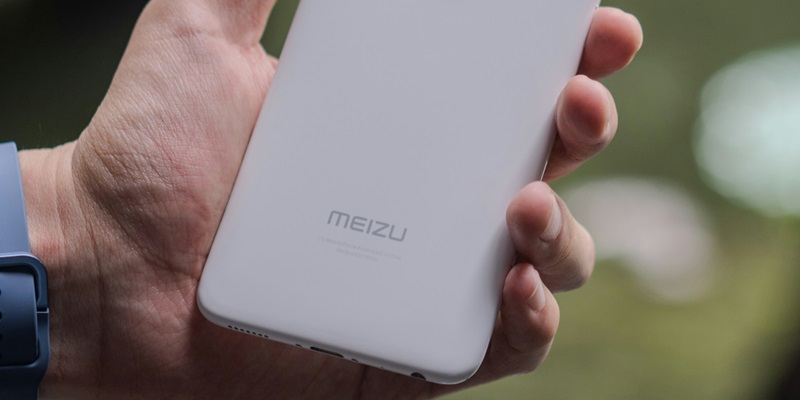
In a bold move to expand its market presence, Meizu has leaked details of its forthcoming Android smartphone, the Lucky 08, which is set to redefine expectations in the budget segment. Meizu is positioning this model below its current Note and numerical flagship series, aiming to attract consumers looking for more affordable options without compromising on essential features. One of the standout attributes of the Lucky 08 is its eye-catching “Star Track” camera hump design, a unique layout where the two rear cameras are arranged to appear as if one is orbiting or gearing around the other. This distinctive design sets it apart from the increasingly uniform camera configurations seen in contemporary smartphones, providing an element of visual novelty that could appeal to design-conscious buyers.
Features and Specifications
According to reputable leaker Digital Chat Station, the Meizu Lucky 08 will be available in two striking color variants: black and gold. These color options complement its aesthetic appeal, making it a stylish addition to Meizu’s lineup. The device will also feature a substantial 6,000mAh battery, catering to the growing consumer demand for longer battery life in smartphones. This massive battery capacity ensures that the Lucky 08 can sustain prolonged usage, aligning with current market trends prioritizing extended battery performance. Additionally, the Lucky 08 is expected to come equipped with Flyme AIOS, a premium-grade AI system similar to what Meizu incorporates in its flagship devices, promising an enhanced user experience through advanced AI capabilities.
Despite its high-end features, the Lucky 08 will include some compromises to maintain its affordable price point, which is anticipated to be around 1,999 yuan (~$280). One such compromise is the flat-edged frame made of plastic, rather than more premium materials found in higher-end models. However, even with these trade-offs, Meizu aims to offer significant value for money with the Lucky 08, providing features that are often missing in lower-priced devices.
Strategic Market Expansion
Meizu’s upcoming launch of the Lucky 08 in September 2024 is a strategic move targeting the budget smartphone market, with an initial release in China. This launch signifies Meizu’s effort to reach a wider consumer base seeking affordable yet functional devices. By introducing the Lucky 08, Meizu aims to diversify its product offerings and effectively compete with other budget smartphone makers. This initiative is part of Meizu’s larger strategy to innovate and offer unique products amid intense market competition.
The release of the Lucky 08 highlights Meizu’s commitment to combining innovative design with cost-effective materials, achieving a balance between style and practicality. The company aims to provide a unique design, strong battery life, and advanced AI features at a reasonable price. With its distinctive “Star Track” camera design and competitive pricing, the Lucky 08 embodies this strategy. Meizu hopes this device will attract new customers and strengthen its position in the budget smartphone segment. This approach enhances Meizu’s competitiveness and showcases its ability to innovate and adapt in a rapidly changing market.