

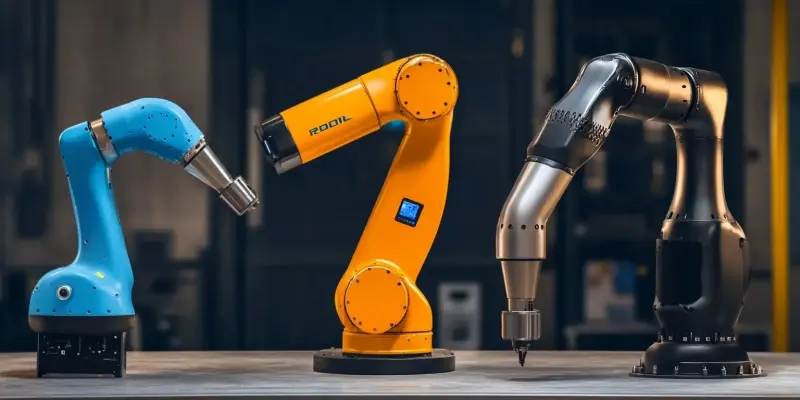
The manufacturing industry is currently grappling with a profound challenge: a persistent and significant worker shortage that threatens its very progress and competitive edge. As businesses strive to increase productivity and efficiency amid this labor crisis, the integration of robotics and automation emerges as a crucial solution. Despite its potential, the journey toward adopting these advanced technologies is often perceived as daunting due to concerns about implementation costs, technical difficulties, and the potential for job displacement. This article delves into the existing state and future potential of robotics and automation in manufacturing, addressing common apprehensions and outlining strategic approaches for successful adoption.
The Growing Worker Shortage in Manufacturing
The manufacturing industry is undergoing a severe labor shortage, which is particularly extreme in roles involving repetitive or hazardous tasks. According to a report from Deloitte and the Manufacturing Institute, the U.S. sector may require up to 3.8 million new workers by 2033. However, nearly half of these positions could remain unfilled, spotlighting a critical issue. Automation and robotics represent a viable solution to this problem, allowing companies to address the labor shortage while improving overall productivity and workplace safety. This shift is not just beneficial but essential for sustaining growth and maintaining a competitive stance in the market.
The roles most prone to automation are often those that are hardest to fill due to their repetitive or dangerous nature. By automating such tasks, companies can redirect human resources to more strategic and fulfilling roles, thereby enhancing overall operational efficiency. This reallocation of tasks allows for a dual benefit: mitigating labor shortages and simultaneously elevating worker satisfaction by shifting them to more engaging responsibilities.
Debunking the Job Displacement Myth
A common fear associated with the rise of automation is the potential for massive job displacement. However, evidence suggests that automation tends to augment rather than reduce the workforce. For instance, Rockwell Automation’s report “The State of Smart Manufacturing” reveals that 94% of businesses expect smart manufacturing technologies to either maintain or expand their workforce. This finding challenges the widespread belief that automation inevitably leads to job losses by highlighting its role in workplace transformation rather than elimination.
Automation allows for redistributing tasks, with robots taking on specific roles that free up human workers to tackle higher-level responsibilities requiring creativity, decision-making, and oversight. This reallocation can foster workforce growth and evolution, opening up new opportunities for workers to upskill and take on new roles within the company. In this way, the integration of automation proves to be symbiotic, improving both business operations and worker prospects.
Strategic and Phased Implementation
The perception that robotics and automation adoption must be an all-or-nothing approach is a misconception. A more strategic, phased implementation allows businesses to start small, focusing initially on automating repetitive, business-critical tasks that contribute little to worker satisfaction. For instance, tasks like manual data entry are prime candidates for automation due to their susceptibility to human error, which can lead to unplanned downtimes and increased operational costs. By targeting such areas first, companies can witness immediate benefits and build a strong case for further investment.
Implementing automation in a phased manner not only demonstrates clear returns on investment but also paves the way for more advanced applications over time. Initially automating simpler tasks allows businesses to familiarize themselves with the technology and its benefits, setting a solid foundation for more complex automation initiatives in the future. This methodical approach ensures businesses can adapt at a manageable pace, reducing the risk of disruption and increasing the chances of successful automation integration.
Integrating Human Expertise with Technology
A successful automation strategy necessitates a balanced approach that synergizes human expertise with technological advancements. While robots excel at handling repetitive and physically challenging tasks, human workers are indispensable for higher-level decision-making, creativity, and oversight. Employees on the production frontlines hold nuanced insights into which roles and tasks are viable candidates for automation, making their involvement crucial from the onset.
Engaging and collaborating with employees throughout the automation journey fosters loyalty and continuous improvement. Their insights into processes that could benefit from automation ensure the implementation of smart systems is both effective and sustainable. This collaboration nurtures a culture of innovation and adaptability, as workers are more likely to embrace changes that they have had a hand in shaping.
Enhancing Quality Control and Data Management
Quality control is a critical area where robots and automated tools can significantly outperform human capabilities. Tasks requiring high precision, such as automatic label application and visual quality control, are ideally suited for automation. The Rockwell Automation survey indicates that nearly half of the businesses prioritize quality control in their automation strategies. Automating these tasks can lead to higher accuracy, consistency, and reduced error rates, ultimately enhancing product quality and operational efficiency.
Data management is another domain where automation can provide substantial benefits. By automating data entry and analysis, companies can reduce the risk of human error and ensure more efficient and accurate processing. This improvement in data management not only streamlines operations but also supports better decision-making processes. Enhanced data accuracy and availability enable businesses to derive valuable insights, driving further optimization and growth.
Incremental Developments and AI Adoption
The pathway to advanced AI implementation often begins with small, focused applications. Early AI deployments might include tasks such as detecting specific errors in vision systems or analyzing trend data. For manufacturers just beginning to integrate automation, these incremental developments can pave the way for more advanced AI applications over time. This step-by-step adoption allows companies to gradually build their AI capabilities while minimizing disruption.
As businesses become more accustomed to automation, they can progressively expand their use of AI to more complex tasks. This gradual approach ensures a manageable transition, enabling companies to adapt to new technologies without overwhelming their existing processes. By starting with narrowly focused AI implementations, businesses can establish a solid foundation for future AI integration, ultimately maximizing the benefits of these advanced technologies.
Seeking Support from Experts
The manufacturing sector is currently facing a substantial and ongoing workforce shortage that endangers its growth and ability to compete. As companies endeavor to boost productivity and efficiency in light of this labor shortfall, the implementation of robotics and automation stands out as a key solution. However, despite its significant promise, the process of incorporating these advanced technologies is often seen as formidable. Concerns about the high costs of implementation, potential technical hurdles, and the fear of job losses contribute to this perception. This article examines the present state and the future possibilities of robotics and automation within the manufacturing industry, tackling prevalent fears and offering strategic methods for effective adoption. By understanding both the challenges and the opportunities, businesses can better navigate the integration of these innovations, ultimately enhancing productivity while addressing workforce shortages.