

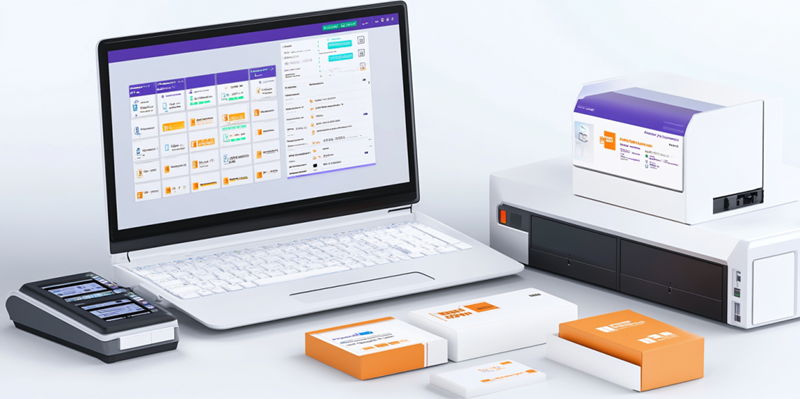
As e-commerce continues to surge, companies face the pressing need to handle increasing shipping volumes while maintaining cost-effectiveness and meeting consumer expectations for timely deliveries. The drive to optimize logistics has led many businesses to explore innovative solutions that can streamline their supply chain operations. Multi-carrier shipping software has emerged as a critical tool for companies aiming to enhance shipping efficiency and remain competitive in a dynamic market landscape.
Benefits of Multi-Carrier Shipping Software
Diversification of Shipments
One of the standout advantages of using multi-carrier shipping software is the ability to diversify carrier options, which significantly boosts efficiency and flexibility in shipping operations. The flexibility to select the most suitable carrier for each shipment means businesses are no longer bound to the limitations of a single provider. This allows them to leverage the unique strengths and services of different carriers, such as regional expertise or specialized delivery options, which can lead to more reliable and cost-effective shipping solutions.
The importance of diversification cannot be overstated—relying solely on one carrier can result in delays, higher costs, and other inefficiencies. By incorporating a multi-carrier approach, businesses gain the agility to respond to varying customer demands and market conditions, ensuring that they can provide competitive pricing and dependable delivery schedules. This adaptability is particularly crucial in today’s fast-paced e-commerce environment, where customer satisfaction hinges on prompt and accurate deliveries. Consequently, multi-carrier shipping software serves as an invaluable asset, empowering companies to excel in their logistics operations.
Reduction of Data Entry Errors
Another significant benefit of adopting multi-carrier shipping software is the reduction of data entry errors, which can have far-reaching implications for compliance and customer satisfaction. This software automates data entry processes, rigorously checking and validating shipment information to minimize inaccuracies that could lead to delivery issues and customer dissatisfaction. Accurate data is not only essential for smooth shipping operations, but it is also critical for regulatory compliance and auditing.
Precise data allows for more accurate freight bill auditing, helping businesses identify and rectify financial discrepancies that could otherwise go unnoticed. By minimizing human errors in data entry, companies can avoid costly mistakes, such as incorrect shipping addresses or miscalculated shipping costs, which can result in delays, returns, and unsatisfied customers. The reliability of automated data entry processes enhances the overall efficiency and dependability of shipping operations, making multi-carrier shipping software a valuable investment for any business seeking to optimize its supply chain logistics.
Importance of Data Consolidation
Streamlining Shipping Processes
Data consolidation is a pivotal component of the benefits offered by multi-carrier shipping software. These platforms act as centralized repositories for all shipment-related data, including spending history, carrier quotes, and delivery records. This consolidation streamlines the shipping process by saving time and reducing costs, as businesses no longer need to navigate multiple systems to compare quotes and track shipments. Instead, they can manage everything from a single, unified platform.
By bringing all relevant information together, multi-carrier shipping software allows for more efficient decision-making and improved operational oversight. Businesses can quickly assess carrier performance, analyze spending patterns, and make strategic adjustments to optimize their shipping strategies. The ability to access comprehensive data in one location also enhances transparency and accountability, as it becomes easier to track shipments and resolve any issues that may arise. Ultimately, data consolidation through multi-carrier shipping software leads to more streamlined, efficient shipping processes that better align with the needs and expectations of customers.
Enhancing Scalability and Flexibility
Investing in scalable shipping solutions is essential for businesses that anticipate growth and expansion in their operations. Multi-carrier shipping software offers the scalability needed to accommodate increasing shipping volumes without necessitating frequent software changes or upgrades. This adaptability ensures that businesses can continue to meet customer demands even as their shipping needs evolve.
Automated multi-carrier shipping software simplifies the process of identifying the most cost-efficient and reliable carriers for each shipment, allowing businesses to remain agile and responsive to dynamic customer needs. By leveraging the unique strengths and capabilities of different carriers, companies can enhance their shipping efficiency and maintain competitive pricing. Furthermore, selecting reliable shipping partners who offer service guarantees, favorable pricing, and flexible payment terms can lead to significant cost savings and improved customer satisfaction. Investing in scalable, multi-carrier shipping solutions positions businesses for long-term success, ensuring that their logistics operations can grow in tandem with their market presence.
Selecting Reliable Shipping Partners
Service Guarantees and Pricing
An important consideration when implementing a multi-carrier shipping strategy is the selection of reliable shipping partners. Providers that offer service guarantees, favorable pricing, and flexible payment terms can significantly contribute to a business’s overall savings and efficiency. Reliable carriers not only enhance the dependability of shipping operations but also provide the assurance that deliveries will be timely and accurate, which is paramount for customer satisfaction.
When evaluating potential shipping partners, businesses should consider factors such as the carrier’s track record, range of services, and technological capabilities. Collaborating with carriers that invest in advanced technologies can further streamline shipping processes and improve operational efficiency. Additionally, the ability to negotiate favorable terms and conditions with carriers can lead to substantial cost savings, allowing businesses to allocate resources more effectively and maintain competitive pricing strategies. By carefully selecting and partnering with reliable carriers, companies can optimize their multi-carrier shipping strategies and ensure the highest levels of service for their customers.
Technical Support and Seamless Operations
Another critical aspect of choosing the right shipping partners is ensuring that they offer robust technical support and seamless integration with shipping software. A skilled technical support team can promptly address any software issues, minimizing disruptions and maintaining smooth operations. Reliable technical support is especially important for businesses that rely on automated multi-carrier shipping software, as any technical hiccups could potentially disrupt the entire shipping process.
Partnering with carriers that provide strong technical support ensures that any problems can be resolved quickly and effectively, allowing businesses to focus on their core operations without being bogged down by shipping-related issues. This seamless integration and support contribute to the overall efficiency and reliability of the shipping process, enhancing customer satisfaction and reinforcing the business’s reputation for dependable service. In summary, selecting shipping partners with robust technical support capabilities is a crucial component of a successful multi-carrier shipping strategy.
Conclusion
As e-commerce continues to grow rapidly, companies are grappling with the challenge of managing higher shipping volumes efficiently while keeping costs low and meeting customer expectations for prompt deliveries. The push to optimize logistics processes has prompted many businesses to seek innovative solutions designed to streamline their supply chain operations. One such solution that has gained prominence is multi-carrier shipping software. This software has become a vital tool for companies that aim to boost shipping efficiency and stay competitive in an ever-changing market. By integrating multiple carriers into a single platform, businesses can compare rates, monitor deliveries, and choose the best shipping options in real-time. This capability not only helps in reducing costs but also enhances delivery reliability and speed. Ultimately, adopting such technology allows companies to better satisfy their customers’ demands for fast, reliable shipping, helping them maintain an edge in the bustling e-commerce sector.