

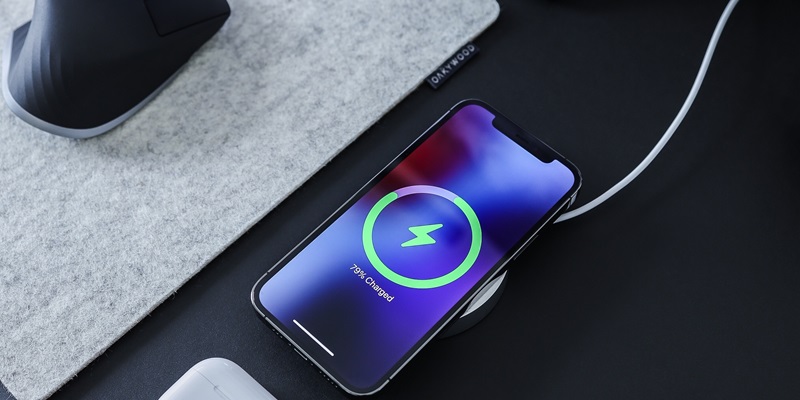
When it comes to charging your iPhone 15, there are three methods: the typical wired one, wireless charging, and the most original of all, by magnet, thanks to the Apple MagSafe cable, which is also the safest of all. In this article, we will explore the importance of getting a case for MagSafe charging, the inconvenience of continuously removing and putting on the case for charging, and recommend the best case options for your iPhone 15.
Importance of getting a case for MagSafe charging
To ensure efficient and hassle-free charging, it is highly recommended to get a case specifically designed for MagSafe charging. These cases are specially crafted to align perfectly with MagSafe technology, allowing for a seamless charging experience.
Inconvenience of continuously removing and putting on the case for charging
Many users find themselves constantly removing and putting on their phone cases in order to charge their mobiles using MagSafe. This constant hassle can lead to wear and tear on both the case and the iPhone, and may even lead to accidental drops and damage.
Recommended case material
The silicone case is personally the most convincing option for MagSafe charging. It not only offers a soft and comfortable grip, but also provides excellent shock resistance to protect your iPhone 15 from unexpected falls. Additionally, the silicone case protects the camera module, ensuring clarity and preventing scratches. Moreover, these cases come in a variety of colors, allowing you to show off your chosen color for your iPhone 15 while ensuring effective MagSafe charging.
Best case option for iPhone 15 Plus
If you own the iPhone 15 Plus, there is a case specifically designed for you to enjoy your device and take advantage of MagSafe charging conveniently. This case provides the perfect fit and protection while also supporting the magnetic connection for hassle-free charging.
Other colorful cases available with iPhone 15 purchase for MagSafe charging
When purchasing your iPhone 15 or 15 Plus, you will find other colorful case options that support MagSafe charging. These cases not only offer vibrant and eye-catching designs but also ensure a secure and efficient connection for charging your device.
Silicone cases in different colors for iPhone 15 with MagSafe support
For those who prefer non-transparent cases, there are silicone cases available in various colors that are compatible with MagSafe charging. These cases not only enhance the aesthetic appeal of your iPhone but also allow you to charge your device effortlessly using MagSafe.
MagSafe charging available for flagship iPhones of the generation
Do you own one of the flagship iPhones of the generation? Good news! MagSafe charging is not limited to the iPhone 15 series. You can now conveniently charge your device using the MagSafe cable.
Affordable options for a silicone case that won’t yellow and supports MagSafe charging
If you are looking for an affordable silicone case that won’t turn yellow over time and supports MagSafe charging, there are options available for less than €20. These cases offer durability and functionality while giving you peace of mind during charging.
In conclusion, investing in a quality case specifically designed for MagSafe charging is crucial to ensure both the safety and efficiency of your iPhone 15’s charging experience. Whether you opt for a silicone case or explore the colorful options available, make sure to choose a case that complements your device while providing the necessary support for MagSafe charging. With the right case, you can protect your iPhone 15 and charge it effortlessly using the innovative MagSafe technology.