
Maximize iPhone Battery Life With Expert Charging Tips

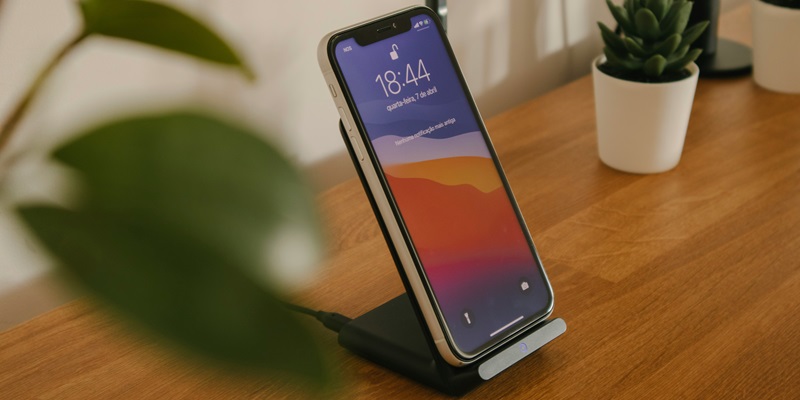
For many iPhone users, plugging in the device to charge overnight has become habitual. This common practice, however, is not necessarily the best for your battery’s longevity. Based on insights shared in a popular TikTok video by a purported former Apple employee, it’s recommended to avoid charging your iPhone to full capacity every single time. Instead, aiming for an 80% charge can prove more beneficial in the long run. Overcharging can stress the battery, and while modern smartphones are designed to handle overcharge scenarios with smart charging circuits, it’s still advantageous to err on the side of caution and moderate charge levels.

An equally important aspect is to avoid letting your battery drain to 0% before charging. The so-called “deep discharges” can be detrimental to lithium-ion batteries. It’s a balancing act—maintaining your battery levels between 20% and 80% can yield the best results. This practice can prevent the extremes of full discharges and full charges that may shorten battery lifespan. Assessing your charging routines and making adjustments could prove to be one of the simplest yet most effective strategies for extending your iPhone battery life.

Optimize Through Built-in Features

The iPhone is equipped with several features to safeguard battery health. Within the battery settings, a pivotal tool shows the battery’s maximum capacity in comparison to its original state, giving a clear picture of its condition. It also offers a proactive measure by limiting charging to 80% during extended plug-in periods, reducing battery strain.

Moreover, iOS includes various settings to conserve daily battery life. Users can deactivate background app refresh for non-essential apps, dim their display, or engage the low power mode, which is particularly effective. This mode automatically tweaks settings – such as email retrieval and app updates – decreasing power usage substantially.

By actively managing these settings, iPhone users can enhance their charging practices, prolonging the battery’s health and functionality. Keeping up with these options will ensure the longevity of the iPhone’s energy source, keeping the device running optimally for longer periods.

Explore more

Agentic AI Redefines the Software Development Lifecycle

The quiet hum of servers executing tasks once performed by entire teams of developers now underpins the modern software engineering landscape, signaling a fundamental and irreversible shift in how digital products are conceived and built. The emergence of Agentic AI Workflows represents a significant advancement in the software development sector, moving far beyond the simple code-completion tools of the past.

Is AI Creating a Hidden DevOps Crisis?

The sophisticated artificial intelligence that powers real-time recommendations and autonomous systems is placing an unprecedented strain on the very DevOps foundations built to support it, revealing a silent but escalating crisis. As organizations race to deploy increasingly complex AI and machine learning models, they are discovering that the conventional, component-focused practices that served them well in the past are fundamentally

Agentic AI in Banking – Review

The vast majority of a bank’s operational costs are hidden within complex, multi-step workflows that have long resisted traditional automation efforts, a challenge now being met by a new generation of intelligent systems. Agentic and multiagent Artificial Intelligence represent a significant advancement in the banking sector, poised to fundamentally reshape operations. This review will explore the evolution of this technology,

Cooling Job Market Requires a New Talent Strategy

The once-frenzied rhythm of the American job market has slowed to a quiet, steady hum, signaling a profound and lasting transformation that demands an entirely new approach to organizational leadership and talent management. For human resources leaders accustomed to the high-stakes war for talent, the current landscape presents a different, more subtle challenge. The cooldown is not a momentary pause

What If You Hired for Potential, Not Pedigree?

In an increasingly dynamic business landscape, the long-standing practice of using traditional credentials like university degrees and linear career histories as primary hiring benchmarks is proving to be a fundamentally flawed predictor of job success. A more powerful and predictive model is rapidly gaining momentum, one that shifts the focus from a candidate’s past pedigree to their present capabilities and