

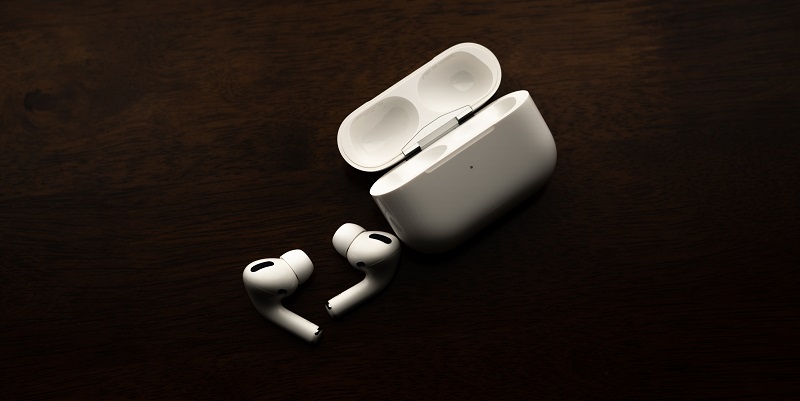
Welcome to the ultimate guide for all AirPods Pro users. Whether you’re unboxing these sleek wireless earbuds for the first time or looking to explore all the features and tips to enhance your experience, this comprehensive article has got you covered. Let’s dive in!
Unboxing and Initial Setup
When you receive your brand-new AirPods Pro, it’s time to unbox and set them up for use. Start by unlocking your iPhone or iPad, and open the charging case to reveal the magical earbuds. These earbuds are not only compatible with your iPhone, but they can also seamlessly pair with all your Apple devices through your iCloud account. This means you can enjoy a connected experience across multiple devices effortlessly.
Using the AirPods Pro
Once you have your AirPods Pro ready, it’s essential to ensure a perfect fit and become acquainted with the various controls. Start by using two fingers to squeeze the flat indentation on each AirPod, adjusting them to fit comfortably in your ears. If you happen to have the AirPods Pro 2 model, you have the added benefit of changing the volume using the stems – a nifty addition that allows for easy control.
Checking the battery level
Keeping an eye on the battery level of your AirPods Pro is crucial to ensure uninterrupted usage. Simply unlock your iPhone or iPad and open the case with your AirPods inside it next to your device. This action will display the charge level for both your AirPods Pro and the charging case, enabling you to plan accordingly.
Active Noise Cancellation (ANC)
The highlight feature of the AirPods Pro is its active noise cancellation (ANC) capability. This technology filters out external noise, immersing you in your own audio bubble. To enable or disable noise cancellation, you have two options: either press and hold one of the AirPods’ buttons, or access the Control Center on your iPhone or iPad to switch it on or off depending on your preference.
Location tracking with the Find My app
Misplaced your AirPods Pro? Don’t fret! The Find My app comes to the rescue. Open the Find My app on your iPhone, navigate to the Devices tab, and locate your AirPods Pro in the list. Tapping on it will reveal its exact location on a map, ensuring you can always retrieve your precious earbuds.
Spatial Audio feature
An exciting addition to the AirPods Pro is the Spatial Audio feature. This feature provides an immersive audio experience by creating a virtual surround sound effect. To enable Spatial Audio, head to Settings, then Bluetooth, and tap on the “i” next to your AirPods Pro. Finally, slide the switch next to Spatial Audio to the On position and enjoy a whole new level of audio immersion.
Personalizing Spatial Audio with the TrueDepth camera (for AirPods Pro 2)
If you’re lucky enough to have the AirPods Pro 2, you can take full advantage of TrueDepth camera technology to further personalize your spatial audio experience. The TrueDepth camera on your iPhone comes into play, allowing the AirPods Pro 2 to analyze your head movements and adjust the audio accordingly, creating a truly personalized surround sound experience.
Congratulations on becoming an AirPods Pro expert! With this detailed guide, you are now equipped to unleash the full potential of your wireless earbuds. From unboxing and initial setup to exploring features such as active noise cancellation and Spatial Audio, you’re ready to immerse yourself in an elevated audio experience. So, put on your AirPods Pro, customize the settings to your liking, and enjoy a world of crystal-clear sound and convenience at your fingertips. Happy listening!