

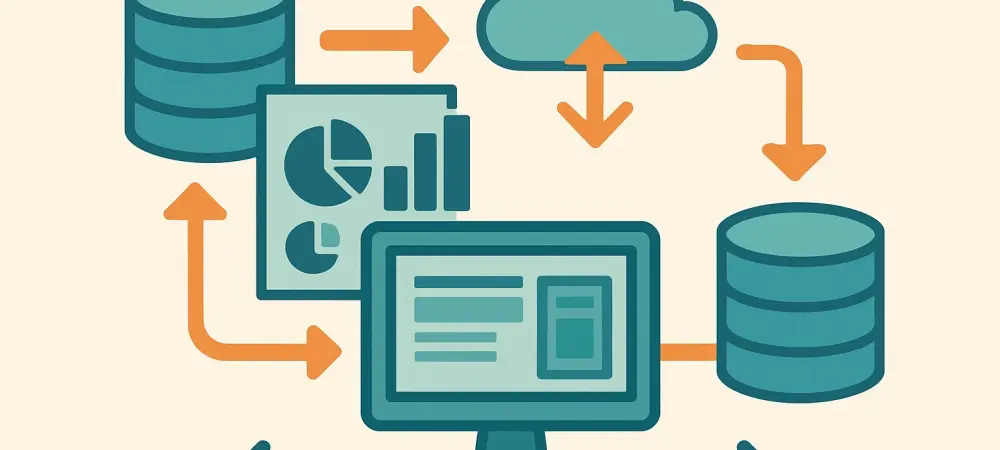
In today’s data-driven landscape, businesses face the crucial challenge of turning vast external data into strategic assets that promote sustainable growth and competitive advantage. The ability to efficiently integrate and leverage this external information not only reveals new market opportunities but also aligns business strategies with ever-evolving consumer preferences. By mastering external data integration, companies can make informed decisions and drive value across entire organizations.
Overview of External Data Integration
External data integration continues to gain importance as industries evolve, with businesses striving for information-rich environments that support agile decision-making. Many sectors are realizing that leveraging data from external sources like social media, economic reports, and customer feedback is vital for outperforming competitors. Key players in this burgeoning field focus on developing sophisticated technologies to facilitate seamless data merging and analytics. While technological advancements drive growth, regulatory standards such as the General Data Protection Regulation (GDPR) set guidelines that organizations must adhere to when managing and integrating external data.
Industry Trends and Opportunities
Emerging Trends in External Data Integration
As organizations incorporate more diverse data sources, advanced data analytics, automation, and AI-driven insights have emerged as predominant trends shaping the industry. Companies are exploring automated systems to process and analyze data efficiently, allowing for more precise insights into consumer behavior and market dynamics. These innovative approaches drive business value, open doors for potential growth, and are complemented by evolving data usage behaviors and market drivers emphasizing the necessity of cross-functional data integration strategies.
Market Performance and Future Projections
The external data integration market has demonstrated robust growth and expanded significantly. The current market size is substantial, reflecting industries’ increasing reliance on data-driven insights for competitive differentiation. Future projections suggest continued growth, driven by technological advancements and increased adoption across various sectors. As more organizations realize the potential of integrated data systems, the market is expected to further evolve, enhancing capabilities and expanding market reach.
Challenges in External Data Integration
Despite its increasing importance, external data integration presents several challenges that organizations must navigate. Technical hurdles such as data compatibility, integration complexity, and system interoperability need careful handling to ensure seamless data flows. Regulatory requirements also pose challenges, necessitating compliance with data protection laws to maintain data integrity and avoid legal repercussions. Overcoming these obstacles involves deploying strategic solutions, including comprehensive governance frameworks, clear documentation, and robust regulatory compliance practices.
Regulatory and Compliance Landscape
Navigating the regulatory environment is crucial for businesses engaging in external data integration. Laws such as GDPR and other data protection regulations demand stringent compliance measures to manage and secure data effectively. Organizations must implement robust compliance frameworks to protect sensitive information and align their operations with changing industry practices. Ensuring data security and adhering to regulatory standards not only enhance business reputation but also safeguard against potential legal issues related to data mismanagement.
Future Insights and Directions
Emerging technologies and market disruptors are poised to reshape the industry, providing fresh opportunities for innovation in external data integration. New technologies like blockchain, machine learning, and enhanced connectivity redefine data processing capabilities, offering avenues for deeper insights and more refined decision-making. Changing consumer preferences, regulatory adjustments, and the integration of cutting-edge technology signal potential growth areas where businesses can capitalize on innovation to drive long-term success.
Conclusion and Strategic Recommendations
The analysis of external data integration offers compelling insights into a rapidly evolving discipline. Organizations seeking a competitive edge must prioritize effective data integration strategies that align with their business goals. Investing in advanced technologies, implementing strong governance models, and maintaining regulatory compliance will enable companies to unlock the full potential of external data. By leveraging these strategies, businesses can gain a sustainable competitive advantage, positioning themselves for accelerated growth and continuous innovation in the data-driven landscape.