

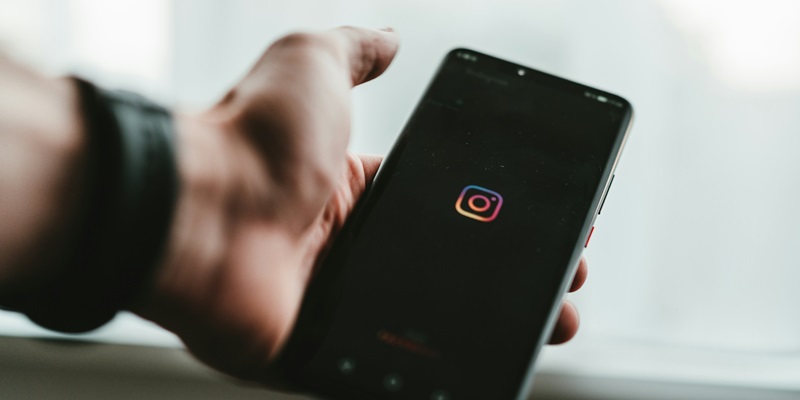
A Los Angeles con artist has been sentenced to eight years in prison for his involvement in a sophisticated SIM-swapping scheme that targeted Instagram accounts and defrauded hundreds of victims out of a total of approximately $740,000. Amir Hossein Golshan, 25, showed little remorse for his actions and believed he could hide behind online anonymity to deceive his victims.
Detailed information on the sentencing
The Department of Justice (DoJ) expressed satisfaction with the tough sentence imposed on Golshan, recognizing the significant impact of his fraudulent activities. Over the course of four years, between 2019 and 2023, Golshan defrauded hundreds of individuals who fell victim to his manipulation, resulting in substantial financial losses.
Lack of remorse from the fraudster
Prosecutors highlighted Golshan’s lack of remorse during his criminal endeavors. He believed he could evade detection by hiding behind online screen names, virtual private networks (VPNs), and the anonymity of the internet. Golshan’s arrogant disregard for his victims demonstrated a complete lack of empathy and a belief that he would never be caught.
The Technique Used by Golshan – SIM Swapping
The sophistication of Golshan’s scheme lay in a combination of various elements, with the primary technique being SIM-swapping. This involved fraudulently convincing mobile phone providers to reassign control of individuals’ contact numbers to Golshan. By gaining control of their phone numbers, he was able to launch social media account takeovers that targeted both the primary victims and their friends.
Social Media Account Takeovers and Their Primary Victims
Golshan’s SIM-swapping allowed him to gain access to victims’ Instagram accounts, giving him the opportunity to carry out his fraudulent activities. The primary victims faced losses ranging from $300 to $500 on average. However, Golshan took his illicit activities a step further by impersonating a friend of an Instagram influencer with over 100,000 followers. This scheme resulted in defrauding the influencer and others out of thousands of dollars through Zelle, PayPal, and other legitimate online payment platforms.
Illegal Access to iCloud Accounts and Theft of NFTs and Cryptocurrency
In addition to SIM-swapping and social media account takeovers, Golshan impersonated Apple Support employees to gain unauthorized access to victims’ iCloud accounts. This allowed him to steal digital art non-fungible tokens (NFTs) and cryptocurrency. In August 2022, he even went as far as making it appear as though he was using Apple Support’s legitimate telephone number to deceive a victim into providing their personal code in the name of advanced security protocols.
Heightening Deception with Apple Support Impersonation
Golshan’s impersonation of Apple Support employees was a calculated move to enhance the credibility of his deception. By making it seem like he was calling from a legitimate source, he gained the trust of his victims, convincing them to provide sensitive information that facilitated his fraudulent activities.
Guilty Plea and Federal Custody
Amir Hossein Golshan entered a guilty plea in July after being taken into federal custody the previous month. The Department of Justice stated that his pretrial release was revoked due to his violation of the terms of his release. The guilty plea confirmed Golshan’s responsibility for the SIM-swapping fraud and the associated financial losses suffered by his victims.
The sentencing of Amir Hossein Golshan serves as a significant landmark in the fight against online fraud. His involvement in SIM swapping, social media account takeovers, and impersonating Apple Support employees resulted in substantial financial losses for his victims. The eight-year prison sentence, along with the Department of Justice’s satisfaction with the outcome, sends a strong message to potential fraudsters that such deceptive actions will not go unpunished. It is crucial to remain vigilant and protect personal information to prevent falling prey to similar scams in the future.