

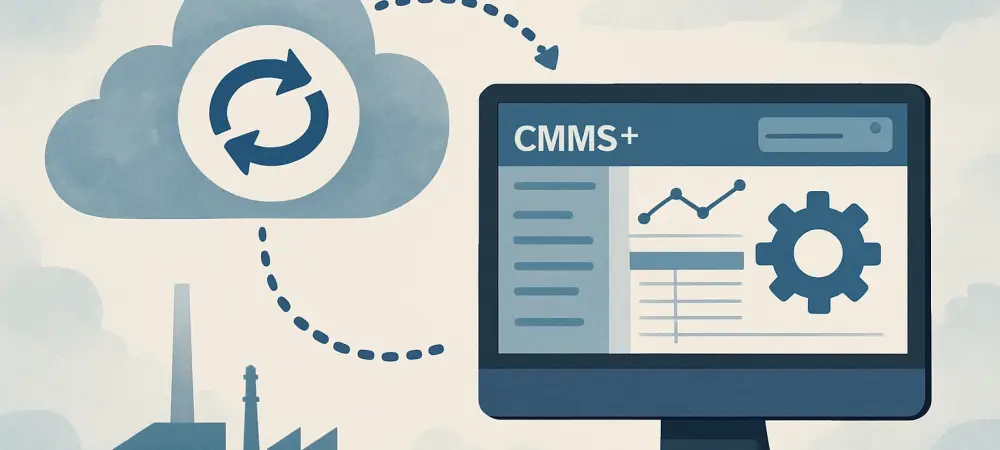
Imagine a manufacturing plant grinding to a halt because a critical machine fails unexpectedly, costing thousands in lost production time while maintenance teams scramble for parts and approvals. This scenario is all too common in industries reliant on equipment, facilities, or vehicles, where unplanned downtime can wreak havoc on operations. Enter LLumin CMMS+, a computerized maintenance management system designed to prevent such disruptions by streamlining asset care. When paired with Microsoft Dynamics ERP systems, it promises a unified approach to maintenance and financial oversight. This review dives into the capabilities of this integration, assessing its features, real-world performance, and potential to redefine operational efficiency.
Understanding the Role of LLumin CMMS+ in Asset Management
At its core, LLumin CMMS+ serves as a digital backbone for maintenance operations, transforming chaotic, reactive repair cycles into structured, proactive strategies. The software equips teams with tools to schedule maintenance tasks, monitor asset health, and manage spare parts inventory, all within a centralized platform. For organizations in sectors like manufacturing or transportation, this shift means fewer emergencies and more predictable workflows.
Beyond scheduling, the system enhances visibility across an operation. Technicians can access historical repair data, track upcoming tasks, and ensure critical equipment remains in top condition. This kind of organization not only cuts downtime but also extends the lifespan of assets, delivering tangible cost savings over time.
What sets this technology apart is its ability to integrate with broader business systems. While many CMMS solutions operate in isolation, LLumin CMMS+ connects directly with Microsoft Dynamics ERP, bridging the gap between shop floor maintenance and corporate financial processes. This synergy positions it as a pivotal tool in modern industrial technology landscapes.
Key Features and Integration Capabilities
Workflow Automation for Seamless Operations
One of the standout aspects of this integration is the automated workflow between LLumin CMMS+ and Microsoft Dynamics. When maintenance identifies a need for parts or tools, the system generates purchase requisitions automatically. These requests flow into Dynamics for budget approvals and vendor coordination, ensuring no step is missed. This automation eliminates manual data entry, a common source of errors in traditional setups. Maintenance teams stay updated on part arrivals, while finance departments track expenditures in real time. The result is a transparent process where operational continuity is maintained without the usual friction between departments.
Such streamlined coordination proves especially valuable in high-stakes environments. Factories or facilities can’t afford delays waiting for approvals or shipments. By syncing these critical functions, the integration ensures that maintenance keeps pace with operational demands.
Ready-to-Use Integration with Dynamics ERP
Unlike many solutions that burden users with custom API development, LLumin CMMS+ offers pre-built integrations with Microsoft Dynamics products, including Dynamics GP, 365 Business Central, and 365 Finance & Operations. This out-of-the-box compatibility simplifies deployment for businesses of all sizes. There’s no need for extensive IT resources to get started.
Moreover, LLumin takes responsibility for maintaining these integrations, freeing organizations from the headache of ongoing updates or compatibility issues. This user-centric design means companies can focus on leveraging the technology rather than wrestling with its setup. It’s a practical approach that resonates with real-world needs.
The ease of implementation also translates to scalability. Whether a small facility or a sprawling enterprise, organizations can adopt this solution without fear of outgrowing its capabilities. This adaptability underscores its appeal across diverse operational contexts.
Performance and Industry Impact
Transforming Operations Across Sectors
In practice, LLumin CMMS+ delivers measurable benefits to industries such as manufacturing, facilities management, and transportation. Plants using the system often report significant drops in unplanned downtime, as predictive maintenance schedules catch issues before they escalate. This proactive stance keeps production lines humming and reduces emergency repair costs.
Compliance is another area where the technology shines. By maintaining detailed, auditable records of maintenance activities, it helps organizations meet regulatory standards with ease. For instance, transportation fleets can document vehicle upkeep to satisfy safety mandates, all while integrating these records with financial data in Dynamics for comprehensive oversight.
Additionally, the mobile accessibility of LLumin CMMS+ empowers on-the-go technicians. Whether updating work orders from a factory floor or checking inventory via a handheld device, field teams stay connected to the system. This flexibility aligns with the dynamic nature of modern industrial work, enhancing overall efficiency.
Financial Clarity and Strategic Planning
The integration with Dynamics ERP amplifies financial transparency, a critical factor for leadership. Detailed data on repair histories, labor costs, and parts usage flows directly into the ERP, enabling controllers to assess whether aging assets warrant replacement or continued maintenance. This insight drives smarter budgeting decisions.
Furthermore, the connection simplifies vendor management and purchasing cycles. Every transaction—from requisition to invoice payment—remains traceable within a unified ecosystem. This eliminates redundant efforts, allowing teams to focus on core responsibilities rather than paperwork or follow-ups.
Such clarity fosters strategic planning over the long haul. Executives gain a clearer picture of maintenance’s impact on operational budgets, paving the way for informed investments in equipment or process improvements. It’s a level of control that standalone systems struggle to match.
Challenges and Areas for Improvement
Despite its strengths, the integration isn’t without hurdles. Teams new to integrated systems may face a learning curve as they adapt to workflows spanning maintenance and finance. Without proper training, initial adoption can feel cumbersome, slowing down the realization of benefits.
Compatibility also poses occasional challenges, particularly with older versions of Dynamics ERP or non-standard configurations. While LLumin offers robust support, organizations with legacy systems might need additional customization to ensure seamless operation. This can introduce unexpected costs or delays.
Nevertheless, LLumin’s commitment to ongoing updates and customer assistance mitigates many of these issues. Regular enhancements aim to smooth out technical kinks and improve user experience. For companies willing to invest in setup and training, the long-term gains often outweigh early struggles.
Final Thoughts and Next Steps
Looking back, the integration of LLumin CMMS+ with Microsoft Dynamics stood out as a powerful solution for bridging maintenance and financial operations. Its ability to automate workflows, provide financial clarity, and reduce downtime made a strong case for its adoption across various industries. The pre-built compatibility and user-friendly design further solidified its position as a practical tool for modern asset management.
Moving forward, organizations exploring this technology should prioritize comprehensive training to ease the transition for their teams. Partnering with LLumin’s support services to address compatibility concerns also proved essential, especially for those with complex or outdated ERP setups. Taking these steps helped ensure a smoother rollout and maximized the system’s potential.
As industries continue to demand tighter integration between operational and financial systems, solutions like this one pointed toward a future of even greater efficiency. Companies ready to embrace this synergy found themselves better equipped to tackle downtime, compliance, and cost control challenges. The path ahead invited further innovation, and staying engaged with evolving tools remained a smart strategy for sustained success.