

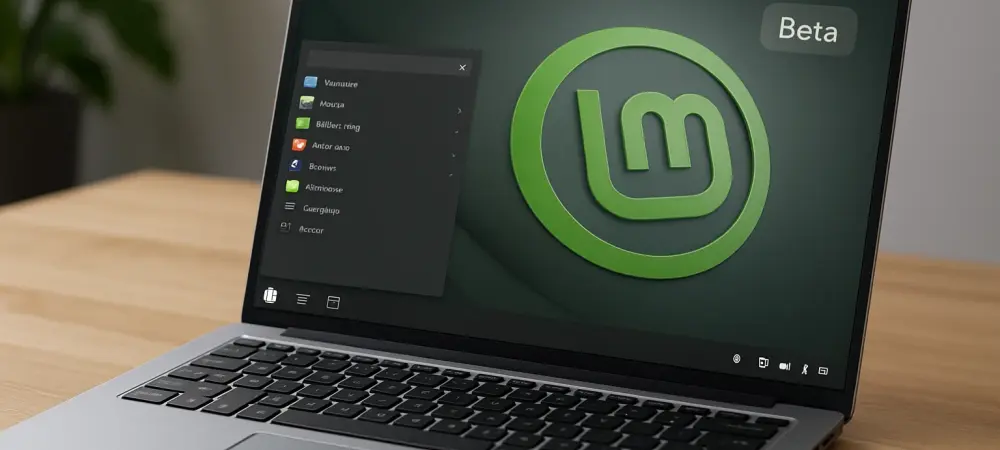
In the ever-evolving landscape of desktop Linux distributions, a new release often sparks curiosity among enthusiasts and everyday users alike, especially when it promises a blend of stability and innovation that can redefine the user experience. The beta version of a highly anticipated long-term support edition, set to receive updates until April 2029, has recently emerged for testing. Built on Ubuntu 24.04 with kernel 6.14, this preview offers an early look at what’s to come, despite carrying the expected quirks of a beta. While not yet polished for final deployment, it provides a window into thoughtful enhancements that aim to refine user experience without straying from the core principles of accessibility and reliability. This release, available for download now, invites community input to shape its ultimate form, continuing a tradition of collaboration. As testing unfolds, the focus remains on balancing fresh features with the familiar ease that has long defined this distribution, setting the stage for a deeper exploration of its updates.
Revamped Aesthetics and User Interface
A striking aspect of this beta release lies in its dedication to visual and functional refinement, ensuring that even subtle changes make a significant impact on daily use. The login screen, for instance, has undergone a transformation with a sleek blur effect, user avatars, and a cleaner overall design that elevates its appeal. Similarly, updates to Sticky Notes introduce rounded corners and Wayland support, while a new companion app enables synchronization with Android devices for seamless note access. Beyond these, the Mint-Y theme shifts to cooler gray tones, offering a softer look particularly in dark mode, and theme compatibility sees a boost with patches to libAdwaita and the introduction of libAdapta for greater flexibility. Accent color support for Flatpak apps further enhances customization. These aesthetic and interface tweaks reflect a meticulous approach to modernizing the desktop environment, ensuring it feels both fresh and intuitive for a diverse user base, from casual users to seasoned tech enthusiasts exploring the beta’s potential.
Enhanced Tools and Security Innovations
Delving into the practical side, this beta version showcases a commitment to bolstering functionality and security with tools designed for real-world needs. A standout addition is Fingwit, a new utility that brings fingerprint authentication to sudo commands, administrative applications, screensaver unlocking, and login on systems without encrypted home directories, marking a significant step forward in user security. Meanwhile, app enhancements like Hypnotix, an IPTV player, introduce Theater and Borderless modes alongside smoother playback to prevent session timeouts. Other updates include refined features in Xviewer, editable WebApp descriptions, advanced file renaming options, and even an iOS version of the Warpinator file-sharing app. The Software Manager and MATE menu search capabilities have also been polished for better usability. Despite known beta issues like a short shutdown timeout and potential display glitches in virtual environments, the emphasis on actionable tools and robust security underscores a forward-thinking approach that aims to address user pain points with precision and care.