

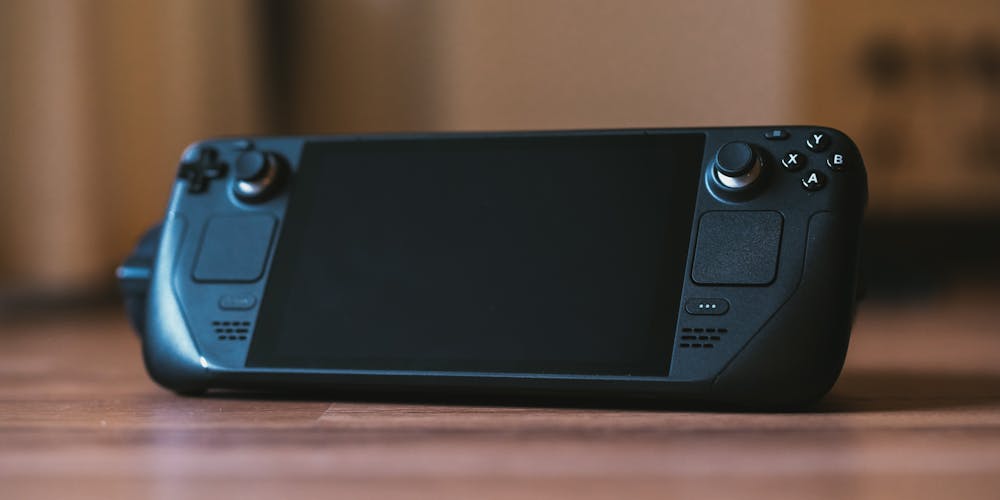
Lenovo has been making waves in the handheld gaming market, thanks in large part to their innovative Legion Go, which has successfully carved out a niche by leveraging the powerful AMD Ryzen Z1 APUs. This device has provided a competitive alternative to mainstream options like the ASUS ROG Ally X. However, in recent months, Lenovo has been relatively quiet regarding updates or successors to this popular device.
According to fresh updates on Lenovo’s official website, there are emerging hints pointing towards a new “trimmed-down” version of the Legion Go. This refreshed model is expected to be more compact and lightweight compared to its predecessor, featuring a 7-inch or 8-inch display screen instead of the original’s 8.8-inch display. Lenovo’s shift in focus towards producing a more portable variant without significantly compromising performance indicates a strategic effort to cater to a broader audience seeking mobility alongside power.
Key features speculated to be part of the new model include the inclusion of an HDMI port and a dual-fan cooling system. These hardware upgrades are significant, as they are notably absent in the current Legion Go model, suggesting a substantial enhancement in the new iteration. However, the core specifications, particularly concerning the processor, are presumed to remain similar to the original, hinting at configurations aligned with the AMD chipset family.
The arrival of new handheld products like Lenovo’s suspected release comes at a time when the market is experiencing a lull, awaiting the introduction of newer architectures. This period of stagnation is witnessing manufacturers like MSI rolling out devices with Intel’s Lunar Lake SoC, while anticipation builds for AMD’s Strix Point APUs in future handheld devices. Lenovo’s potential compact yet enhanced handheld could inject much-needed vigor into the market, spurring both competition and innovation.
Moreover, there are indications that this development might be part of a broader strategy for Lenovo’s Legion Go series. The company appears to be considering a diverse range of products aimed at meeting various user needs and preferences. This kind of diversification could help counteract the industry’s current stagnation and stimulate renewed interest among tech enthusiasts and gaming aficionados.
In conclusion, the forthcoming Lenovo Legion Go variant seems engineered to strike a balance between a compact form factor and enhanced functionality. While details about the onboard components remain speculative, Lenovo’s direction suggests retaining the core strengths of the original model while incorporating significant improvements in design and additional features such as HDMI support and superior cooling solutions. This move indicates Lenovo’s commitment to addressing market demands and preserving its competitive edge in the handheld gaming arena.