

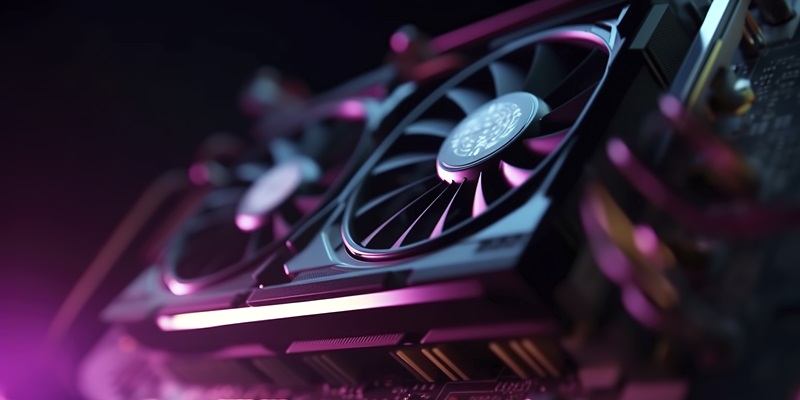
Nvidia’s future plans reportedly include the launch of a cut-down version of the highly anticipated RTX 4090 graphics card exclusively for the Chinese market. According to insider sources, this specialized variant, dubbed the RTX 4090 D (with ‘D’ referring to Dragon to align with the Chinese zodiac), is expected to hit shelves in early 2024. The graphics card is poised to deliver powerful performance and cater to the increasingly demanding needs of Chinese consumers.
Leaked Specs Offer Glimpses of the RTX 4090
Whispers in the tech community suggest that some specifications of the RTX 4090 D have been leaked. While the default boost clock is expected to stay consistent with the standard RTX 4090, the base clock has received a notable bump up to 2280MHz. This increase promises faster initial processing speeds, potentially enhancing the overall performance of the graphics card.
Imminent release speculations intensify
The leaked information, combined with the claim that the leaker possesses all the specs necessary to confirm the RTX 4090 D’s capabilities, fuels widespread anticipation for its imminent release. Furthermore, the alleged box art associated with the graphics card has supposedly been revealed, providing a promising sign that the RTX 4090 D could soon be available for purchase.
A likely launch date: February 2024
Interestingly, industry insiders speculate that the most suitable launch window for the RTX 4090 D would coincide with the start of the Chinese zodiac Year of the Dragon in February 2024. This timing aligns with Nvidia’s track record of leveraging cultural symbolism for marketing strategies. If this hypothesis proves true, eager Chinese consumers can expect to get their hands on this souped-up variant in the first quarter of 2024.
Potential exclusivity and the US import ban
One aspect that is still unclear is whether the RTX 4090 D will be exclusive to the Chinese market. Given the unique branding and the card’s purpose to evade the US import ban, it is likely that Nvidia aims to capitalize on the high demand for high-end Lovelace graphics cards in China. The Chinese market’s hunger for these cutting-edge components presents an opportunity for Nvidia to thrive, while simultaneously circumventing the import restrictions imposed by the United States.
High demand and price impact
The growing demand for RTX 4090 graphics cards has led to a surge in prices, not only in Asia but also in the United States and other regions. The scarcity of these advanced graphics cards has made them highly sought after, causing prices to skyrocket. Unfortunately, this price inflation creates challenges for enthusiasts and professionals alike who are already grappling with the escalating costs of building and upgrading their rigs.
As the launch of Nvidia’s RTX 4090 D graphics card for the Chinese market draws nearer, the leaked specifications have generated excitement among tech enthusiasts. With the base clock notably boosted to 2280MHz, the RTX 4090 D promises potent performance enhancements. While the exact date of release remains unknown, the alignment with the Year of the Dragon in February 2024 seems increasingly probable. Anticipation mounts as consumers await further details regarding availability, exclusivity, and potential challenges posed by import bans. Undoubtedly, Nvidia’s latest offering aims to capture the hearts of Chinese consumers craving cutting-edge graphical capabilities while positioning the company favorably in a lucrative market hungry for high-quality components.