

Introduction
The Indian mobile industry is undergoing a massive transformation where home-grown brands are now setting trends rather than just following the global giants. The Lava Virat Curve 5G represents a significant step in this evolution, merging aesthetic innovation with rugged hardware for a modern user base.
This article examines the core features of the new handset, answering vital questions about its design and long-term utility. Readers can expect to learn about the unique secondary display, the durability certifications, and the software roadmap provided by the manufacturer for the coming years.
Key Questions or Key Topics Section
What Makes the Design of the Virat Curve 5G Stand Out?
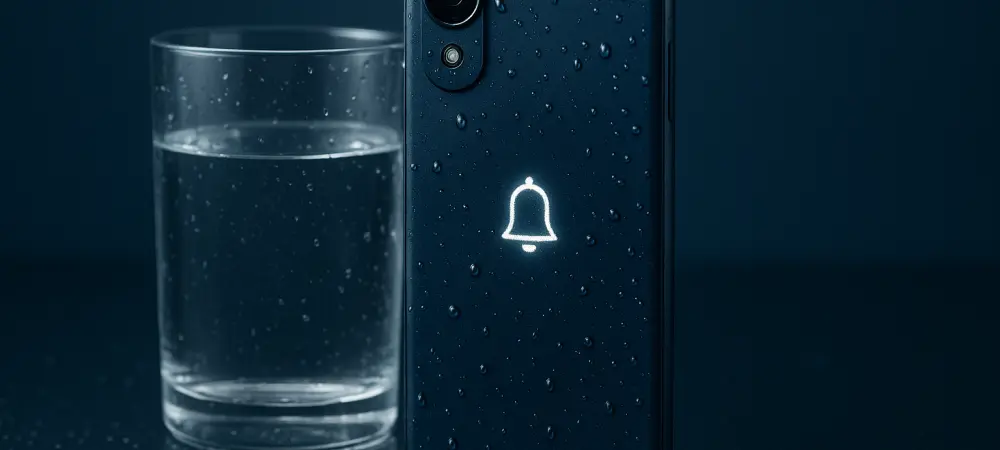
The integration of a secondary mini display on the rear panel is the most distinctive characteristic of this handset. This screen enables users to view notifications, battery status, or custom emojis without waking the main panel. Such a functional choice reduces digital distractions while adding a futuristic flair to the phone. The 6.67-inch 3D curved AMOLED screen provides a vibrant viewing experience with a 120Hz refresh rate. With peak brightness hitting 1,100 nits, the panel remains clear even under harsh sunlight. This front-end clarity combined with the unique rear utility sets a high bar for design within this competitive market.
How Does the Device Balance Performance and Durability?
Powered by the MediaTek Dimensity 7100, the phone handles daily tasks with efficiency through its 12GB of combined physical and virtual RAM. This setup ensures smooth transitions between apps and reliable performance for mobile gaming. The hardware is optimized to deliver a consistent experience during heavy multitasking. Furthermore, the inclusion of IP64 and MIL-STD-810H certifications makes the handset resilient against drops and environmental exposure. Such military-grade durability is a rare feature in the mid-range segment. It offers peace of mind to users who prioritize the physical security of their mobile investments.
What Should Users Expect Regarding Battery and Software Support?
A massive 6,000mAh battery provides extensive power, allowing for up to two days of usage for the average person. While it supports 45W charging, a 33W unit is included in the retail box. This high capacity ensures that the device remains functional throughout long commutes or travel without frequent stops.
Software is also a priority for this release; the device runs Android 16 with a commitment for support. The manufacturer has promised operating system updates until 2028 and security patches through 2029. This roadmap provides a clear path for software stability and security for those planning to keep the phone long-term.
Summary or Recap
The launch highlights a shift toward high-utility features like military-grade toughness and secondary screens in the budget-friendly category. Starting at Rs. 23,999, the phone offers a compelling package for those seeking both style and longevity. It bridges the gap between premium flagships and entry-level 5G devices effectively by prioritizing hardware resilience.
Conclusion or Final Thoughts
Consumers evaluated the long-term value of these hardware features before the initial sale began on September 28. Investing in a phone with an extended update cycle proved to be a practical decision for maintaining device security in a changing digital landscape. Selecting unique colors like Heritage Indigo allowed users to enjoy a personalized mobile experience that felt truly modern.