

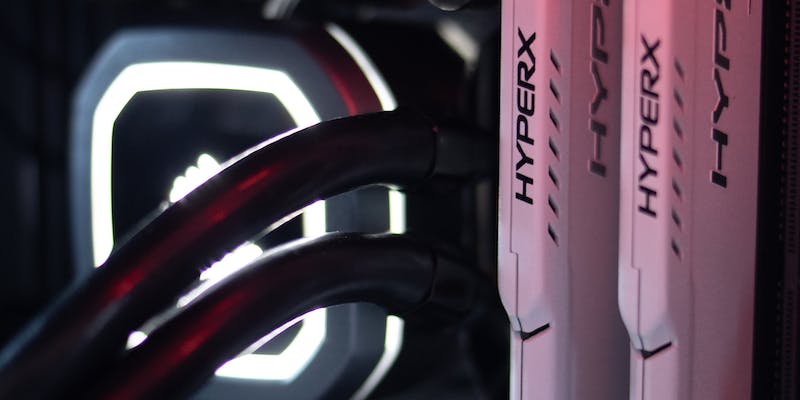
The Kingston FURY Beast RAM is a high-performance memory kit designed to enhance your gaming experience. With its quad-channel setup and impressive speed of 5,600 MHz, this RAM kit is capable of delivering blazing-fast performance for even the most demanding games. In this article, we will explore the features and benefits of the Kingston FURY Beast RAM, evaluate its performance through rigorous testing, compare the DDR4 and DDR5 versions, and analyze its performance in popular benchmarking games. Whether you’re a casual gamer or a power user, the Kingston FURY Beast RAM is a fantastic addition to your system.
Features and Benefits
One of the standout features of the Kingston FURY Beast RAM is its low-profile heat spreader. This heat spreader not only enhances the aesthetics of your system but also allows for efficient heat dissipation, enabling overclocking with a slight margin of error. Overclocking gives you the ability to push your RAM beyond its default speed, unlocking even greater performance potential.
Another notable feature of the Kingston FURY Beast RAM is its support for RGB lighting. This feature allows you to customize the lighting effects of your RAM, creating a visually immersive gaming experience. Whether you prefer a vibrant light show or a subtle glow, the RGB lighting adds a touch of personalization to your gaming rig.
Performance Testing
To evaluate the performance of the Kingston FURY Beast RAM, we utilized the XMP (Extreme Memory Profile) configuration. This profile optimizes the RAM’s settings, ensuring maximum performance and stability. With the XMP configuration enabled, we put the Kingston FURY Beast RAM to the test.
The results were impressive. The Kingston FURY Beast RAM outpaced even some DDR5 kits that we had compared previously. Its ultra-fast speed and efficient quad-channel setup delivered exceptional performance across various benchmarks and tasks. Whether you’re gaming, streaming, or running resource-intensive applications, the Kingston FURY Beast RAM won’t disappoint.
The difference between DDR4 and DDR5 in terms of the Kingston FURY Beast RAM is quite significant. DDR5, being the latest memory technology, offers improved speeds, higher bandwidth, and increased capacity. While DDR4 is still a capable option, DDR5 pushes the boundaries of performance and future-proofs your system. If you’re looking for cutting-edge technology, the DDR5 version of the Kingston FURY Beast RAM is the way to go.
Moving on to game benchmarks, we start with Civilization VI, a popular strategy game. With the Kingston FURY Beast RAM installed, we witnessed smoother gameplay, reduced loading times, and improved overall performance. The quad-channel setup and high speed of the RAM ensure that you never miss a beat in this complex and demanding game.
Next, we tested The Riftbreaker, an RTS game with base-building elements. The Kingston FURY Beast RAM excelled in this genre, allowing structures to be built and characters to move fluidly without any notable slowdowns. The RAM’s responsiveness and speed significantly enhanced the gaming experience.
Shadow of the Tomb Raider, known for its stunning visuals and demanding system requirements, was our final benchmarking game. With the Kingston FURY Beast RAM, we experienced buttery-smooth gameplay, even at the highest graphics settings. The RAM’s capabilities truly shine in this visually immersive game, providing a seamless and enjoyable gaming experience.
In conclusion, the Kingston FURY Beast RAM is a remarkable addition to your gaming system. Its quad-channel setup, high speed, low-profile heat spreader, and support for RGB lighting make it a versatile and powerful choice for gamers of all levels. Whether you’re a casual gamer seeking smooth performance or a power user aiming for maximum speed and responsiveness, the Kingston FURY Beast RAM is an easy recommendation. Upgrade your system today and unleash the full potential of your gaming experience.