

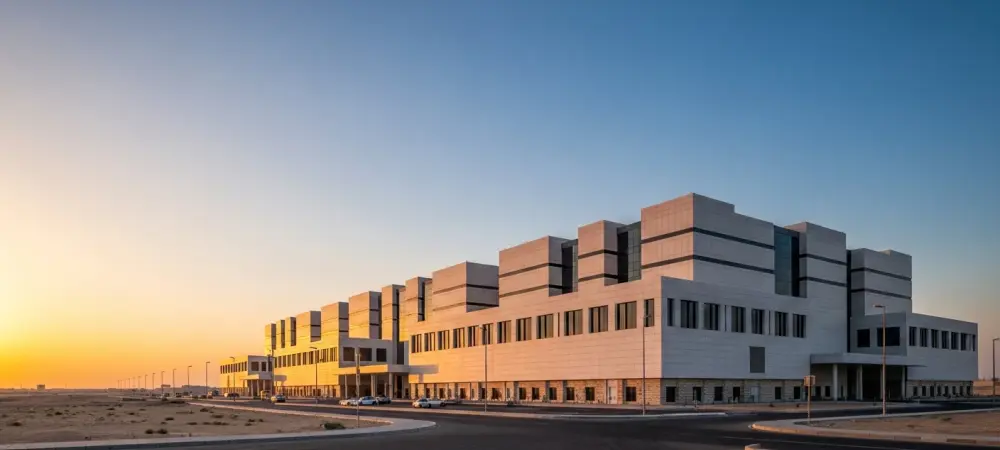
The digital bedrock of Saudi Arabia’s ambitious future is now being laid by one of the Middle East’s most formidable data center operators, signaling a new chapter in the nation’s technological sovereignty. Khazna Data Centers has announced a landmark move into the Kingdom, marking a significant milestone in its regional expansion and aligning perfectly with the nation’s transformative economic agenda.
A Landmark Expansion into the Kingdom
Khazna’s decision to establish its first data center campus in Saudi Arabia represents a pivotal moment for the company. By choosing the strategic port city of Dammam, Khazna has planted a flag in one of the Kingdom’s key economic zones. This is more than a simple business expansion; it is a calculated entry into a market poised for exponential digital growth.
This move underscores a deepening of regional technological collaboration and serves as a powerful endorsement of Saudi Arabia’s digital ambitions. The establishment of this campus is set to become a cornerstone of the digital infrastructure required to power the next wave of innovation within the Kingdom, providing the capacity needed for businesses and government entities to scale their operations.
The Strategic Context Powering Vision 2030
As a leading UAE-based data center operator, Khazna has built a substantial footprint across the region, earning a reputation for reliability and scale. Its expansion into Saudi Arabia is strategically timed, coinciding with the rapid acceleration of the Kingdom’s Vision 2030 initiative. This national blueprint is centered on diversifying the economy away from hydrocarbons and fostering a vibrant, knowledge-based digital economy.
A core pillar of Vision 2030 is the development of advanced digital capabilities and national leadership in artificial intelligence. The demand for robust, high-capacity data infrastructure has therefore never been greater. Khazna’s entry directly addresses this need, providing the foundational support required for the Kingdom to achieve its ambitious technological goals and secure its position as a regional digital powerhouse.
Key Features of the Dammam Data Center Campus
A Hyperscale Foundation for the Future
The Dammam project is being developed on an immense scale, reflecting the anticipated demand from hyperscale cloud providers and large enterprises. Khazna has acquired a 225,000-square-meter plot of land for the campus, with plans to build out a total capacity of up to 200 megawatts. This scale is designed not just to meet current needs but to provide a future-proof foundation for the explosive growth of data consumption and generation.
Engineered for AI and High Performance Computing
Beyond sheer capacity, the Dammam facility is engineered to support the most demanding modern workloads. Its modular design allows for flexible and efficient scaling, while its infrastructure will be optimized for the intensive, GPU-driven computing essential for artificial intelligence and machine learning applications. This technical focus ensures the campus can serve as a hub for cutting-edge innovation.
Dedicated Leadership for Saudi Operations
To spearhead this critical expansion, Khazna has appointed Mohammed Bin Hassan as its new country head for Saudi Arabia. His leadership will be instrumental in navigating the local market, building strategic partnerships, and ensuring the successful execution of Khazna’s ambitious plans within the Kingdom. This dedicated local leadership signals a deep, long-term commitment to the Saudi market.
Khazna’s Competitive Edge in a Growing Market
Khazna’s approach is distinguished by its direct alignment of commercial strategy with Saudi Arabia’s national development objectives. The company is not merely entering a new market; it is positioning itself as a key partner in the Kingdom’s digital transformation journey. This strategic synergy creates a powerful competitive advantage in a rapidly evolving landscape. This mission-driven approach is fortified by deep regional expertise and robust financial backing from a consortium of powerful investors, including G42 and, more recently, minority shareholders MGX and Silver Lake. This combination of strategic alignment, regional knowledge, and significant capital provides Khazna with the resources and credibility to execute its large-scale vision effectively.
Current Status and Regional Ambitions
The Dammam project solidifies Khazna’s position as a major regional player in the data center industry. The company currently operates an impressive portfolio of 30 data centers, with a combined capacity of nearly 650 megawatts. This established track record provides a strong foundation for its continued growth and expansion into new territories. Moreover, this new campus is a key component of Khazna’s broader strategic plan to develop over one gigawatt of additional capacity across key markets. This ambitious pipeline includes further developments in the UAE and Saudi Arabia, as well as expansion into European markets like Italy, demonstrating a clear vision for becoming a global force in digital infrastructure.
Reflection and Broader Impacts
Analysis of the Strategic Move
The strength of Khazna’s expansion lies in its profound synergy with Vision 2030, creating a mutually beneficial partnership with the Kingdom’s national goals. However, the company also enters a competitive market, where navigating regulatory landscapes and keeping pace with rapid technological advancements will present ongoing challenges. Success will depend on its ability to execute its vision while remaining agile.
Fueling the Kingdom’s Digital Ecosystem
The broader implications of this development are significant. The presence of a hyperscale-ready data center campus is expected to attract major global cloud providers, further localizing data and improving service delivery within the Kingdom. This, in turn, will foster local innovation, empower startups, and accelerate Saudi Arabia’s transformation into a premier digital hub for the region.
A New Era of Digital Infrastructure
Khazna’s strategic entry into the Saudi market with its Dammam data center campus marked a definitive shift in the region’s digital landscape. The move was not just an expansion but a foundational investment in the Kingdom’s technological future, providing the critical infrastructure needed to power its ambitious national vision.
This development ultimately established a new benchmark for digital infrastructure in the Middle East. It underscored the symbiotic relationship between private enterprise and national strategy, creating a powerful model for how targeted investment can accelerate economic diversification and technological sovereignty for an entire nation.