

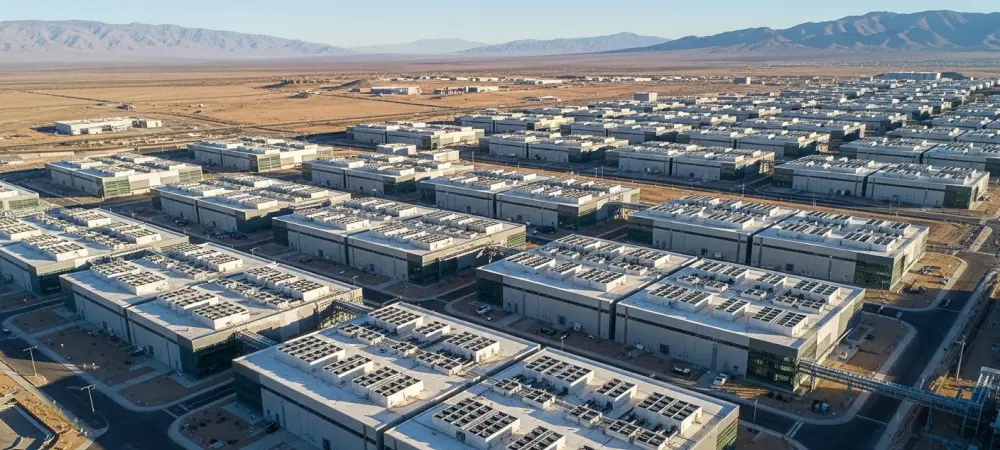
The rapid expansion of artificial intelligence has necessitated a radical shift in how global infrastructure projects are conceived, shifting away from standard server farms toward massive, energy-independent power hubs. Kevin O’Leary, the high-profile investor and O’Leary Digital founder, has announced a significant expansion into this space with the development of a 7.5-gigawatt data center campus in Box Elder County, Utah. Known as Wonder Valley, the project is situated within the Golden Spike District near Salt Lake City and represents one half of a massive 15-gigawatt bilateral initiative. The scale of this undertaking reflects a growing necessity for hyperscale computing environments that can sustain the massive power draw of next-generation artificial intelligence models. By securing approximately 26,000 acres across two jurisdictions, the project aims to bypass the constraints of existing municipal grids, providing a self-contained ecosystem that integrates energy generation directly with digital processing capabilities at an industrial magnitude. This strategic move positions Utah as a central pillar in the international race for compute supremacy, offering the land and regulatory environment required for such a colossal energy footprint.
Infrastructure Design: Energy Integration and Scalability
Building on the blueprints established by a sister site in Alberta, Canada, the Utah development focuses on a sophisticated model of integrated utility infrastructure to ensure uptime and cost-efficiency. A critical component of this strategy involves leveraging major interstate natural gas infrastructure to fuel on-site power generation, similar to the 8.5-gigawatt natural gas plant planned for its Canadian counterpart. O’Leary Digital is working closely with West GenCo to navigate the complexities of permitting and state-level regulatory coordination, ensuring that the transition from concept to construction remains disciplined. This partnership emphasizes the importance of localized energy sovereignty, where data centers no longer rely on the unpredictable availability of public utilities but instead function as their own power providers. This shift is particularly relevant as the demand for high-performance computing continues to outpace the modernization of traditional electrical grids. By utilizing a repeatable campus design, the developers can maintain a balance between rapid scalability and the flexibility needed to adapt to evolving technological requirements in the hardware sector.
Strategic Implementation: Economic Drivers and Future Operational Models
The transition from media personality to a major figure in global digital infrastructure underscores a broader trend where private capital is directed toward the foundational hardware that powers the modern economy. O’Leary, through his involvement with Bitzero and other AI cloud initiatives, viewed these campuses as essential utilities for hyperscale tenants who required guaranteed access to massive energy reserves. Looking ahead, the focus for stakeholders shifted toward securing long-term power purchase agreements and refining the carbon capture technologies associated with large-scale natural gas generation. Investors and regional planners evaluated the impact of these mega-campuses on local labor markets, specifically regarding the high-skill requirements for maintaining cooling systems and complex power distribution networks. Effective project management necessitated a move toward modular construction techniques to decrease the time between breaking ground and achieving operational readiness. These steps ensured that the massive capital expenditure resulted in a resilient infrastructure network capable of supporting the most demanding AI workloads while providing a stable template for future global expansions in the tech sector.