

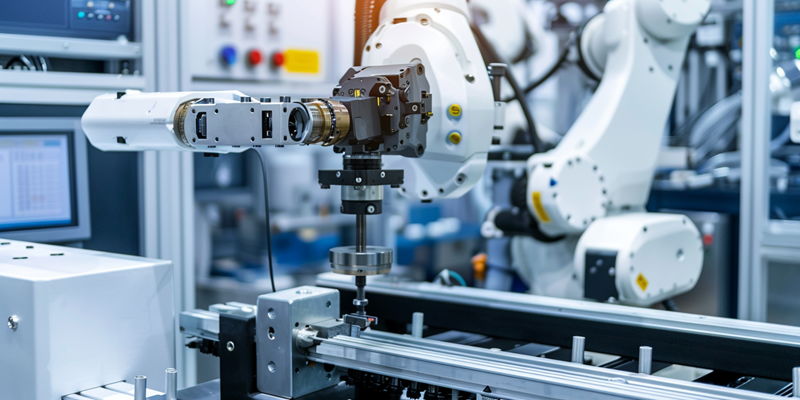
As industries continue to evolve at a rapid pace, the demand for flexible and accessible automation solutions has reached a critical point. Addressing this imperative, Kassow Robots has unveiled its groundbreaking advancement in collaborative robotics: the KR Pulse ecosystem. Designed with the modern automation engineer in mind, KR Pulse is a comprehensive, user-friendly framework that simplifies the integration of collaborative robots (cobots) into diverse manufacturing and processing environments. The introduction of the KR Pulse ecosystem marks a pivotal moment for Kassow Robots, now a subsidiary of Bosch Rexroth since April 2022, showcasing both the company’s innovative spirit and its commitment to transforming the landscape of industrial robotics.
Revolutionizing Cobot Integration
The KR Pulse ecosystem embodies a fundamental shift towards accessible and modular cobot deployment. At the core of this new ecosystem lies a trio of essential components. First are the adaptable tools, which include a variety of grippers and vision systems designed to accommodate myriad tasks within a production setting. Secondly, KR Pulse features application kits tailored for specialized operations such as welding or dispensing, allowing automation engineers to apply cobots to precise manufacturing requirements with ease. The last pillar of the ecosystem consists of crucial engineering aids, including sophisticated simulation tools that reduce deployment time and optimize cobot performance.
The KR Pulse ecosystem is not only a collection of tools and kits; it is a manifestation of the broader industry trend towards interoperability and user-centric innovation. By incorporating Bosch Rexroth’s ctrlX World principles, KR Pulse resonates with concepts that have already been demonstrated by initiatives like Universal Robots’ UR+ platform. Such platforms prioritize open innovation—enabling collaborative robotics to adapt quickly to the changing tides of production needs and facilitating a smoother transition into Industry 4.0 paradigms.
Empowering Engineers with innovative Solutions
Kassow Robots, now under Bosch Rexroth since April 2022, is revolutionizing the automation scene with its latest innovation: the KR Pulse ecosystem. This cutting-edge approach in collaborative robotics caters specifically to the needs of today’s automation engineers, streamlining the implementation of cobots across a myriad of industry settings. The launch of KR Pulse is a significant leap forward for Kassow Robots, evidencing its dedication to spearheading the evolution of industrial robotics. With a focus on user-friendliness, the KR Pulse ecosystem empowers businesses to adopt flexible automation solutions, addressing the urgent market demand for more adaptable and intelligent robotic systems. This strategic move confirms Kassow Robots’ position at the forefront of the sector, championing the development of technologies that promise to redefine the future of manufacturing and processing workflows.