

A Bold Leap into High-Tech Infrastructure
The transformation of the Mediterranean into a high-tech corridor is accelerating as traditional industrial giants pivot their capital toward the digital infrastructure necessary to sustain global cloud demands. Karatzis Group is spearheading this shift with a $278 million investment in a state-of-the-art data center in Boeotia. This initiative signals a strategic departure from manufacturing and hospitality, aiming to bolster the region’s digital capacity while establishing a premier European data gateway.
Evolution from Industrial Roots to Digital Dominance
Historically, the group anchored the Greek economy through industrial netting and solar energy. This transition reflects a global trend where corporations leverage land assets to meet the rising demand for data processing. By moving from physical goods to digital infrastructure, the company aligned itself with an economy where data acts as a primary driver.
Technical Specifications and Strategic Regional Development
Massive Scale and Unprecedented Power Capacity
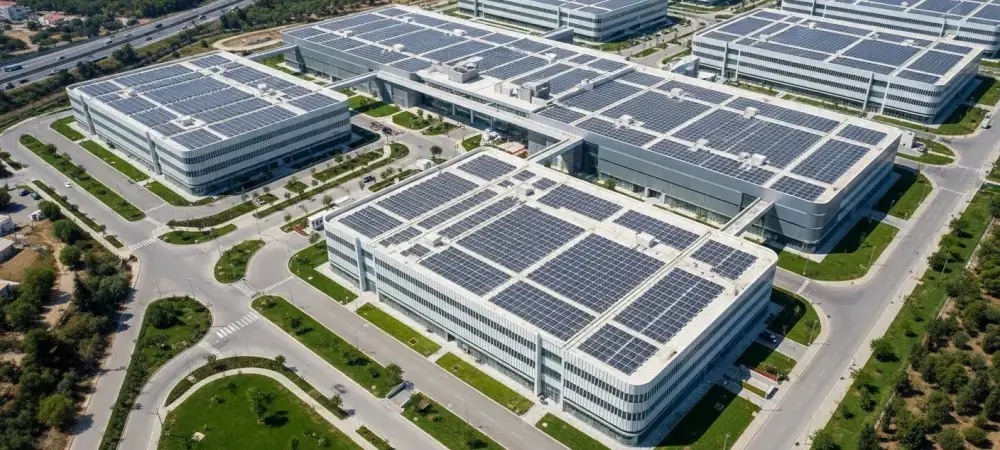
The project sets a new benchmark with a 342,465-square-meter complex in Orchomenos. It features seven units with a combined power load of 430MW, making it one of the most powerful facilities in the region. This ambition positions the site as a critical asset for high-performance computing and large-scale cloud services.
Strategic Location and Phased Execution Timeline
Situated near the PATHE motorway, the site provides ideal logistics and connectivity. The development follows a rigorous 18-month timeline, with 16 months for heavy construction followed by a rapid period for IT integration. This schedule allows the group to capture market share quickly within a competitive landscape.
Navigating Regulatory Frameworks and Cultural Heritage
Navigating Greek regulations required early clearance from the Ministry of Culture to ensure the site lacked archaeological sensitivity. Successful environmental studies also confirmed adherence to modern sustainability standards. These steps mitigated major risks that often stall large-scale developments in historically rich regions.
The Future of Greece as a Mediterranean Digital Hub
This investment coincides with moves by international tech giants, cementing Greece’s role as a strategic digital hub. As demand for low-latency connectivity grows from 2026 onward, localized storage becomes essential. This growth suggests the local market has matured into a central node for European data sovereignty initiatives.
Strategic Implications for the Technology Sector
For investors, the project provides a blueprint for cross-industry diversification. It highlights the necessity of future-proofing assets through digital utilities. Companies entering this space prioritized environmental compliance and local heritage to ensure long-term viability in the high-tech arena.
Strengthening the Foundation of the Digital Age
The establishment of the data center solidified the group’s position within the technological sector while providing a robust framework for expansion. Stakeholders shifted their focus toward integrating artificial intelligence capabilities to maximize facility efficiency. This move demonstrated that traditional industrial expertise successfully fueled the next generation of digital growth.