

A New Digital Frontier: Piedmont’s Massive Infrastructure Shift
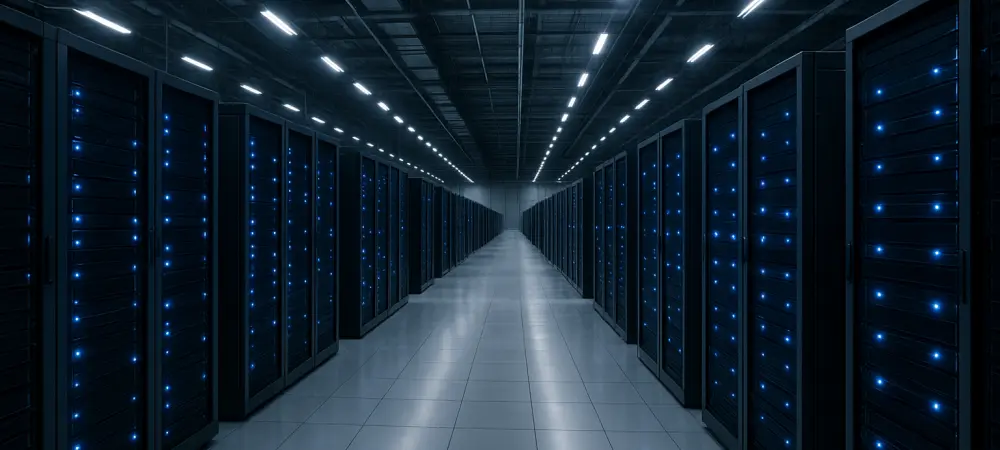
The ambitious transformation of the historic ILTE printing complex into a massive digital powerhouse represents a fundamental shift in how European industrial hubs are being redefined for the modern age. Spearheaded by Moncalieri Logistics, the project aims to establish a facility spanning 2.9 million square feet with a staggering 576-megawatt capacity. This development signals a bold departure from traditional industrial labor toward the high-tech demands of global cloud computing and artificial intelligence. By integrating massive electrical infrastructure into a single campus, the initiative seeks to position the Piedmont region as a vital cornerstone of the Southern European technology market.
From Printing Presses to Servers: The Evolution of the ILTE Site
The Moncalieri site carries deep roots in the industrial history of northern Italy, having served as a prominent printing hub before falling vacant in 2016. In 2022, the complex was acquired with intentions to serve as a logistics warehouse for Zalando, yet the current pivot toward data storage reflects a more lucrative global trend. This shift highlights the increasing value of “brownfield” sites—abandoned industrial zones that possess pre-existing power access and industrial zoning. Leveraging such locations allows developers to meet the explosive demand for data residency while bypassing the complexities associated with undeveloped land.
The Strategic Importance: Scale and Geographic Relevance
Engineering a Powerhouse: Connectivity and Capacity
The sheer scale of the Moncalieri proposal, comprising four distinct buildings, places it among the most ambitious digital projects in Europe. Concentrating over half a gigawatt of power in one location addresses the specific needs of hyperscale cloud providers who require high-density computing environments. This concentration of resources is essential for handling the surging requirements of big data analytics and AI processing.
Regulatory Challenges: A Call for a Unified Framework
The magnitude of this undertaking has prompted the Piedmont Regional Council to seek a uniform regulatory framework to manage massive data center developments. Officials are moving toward a model similar to neighboring Lombardy to ensure consistent environmental and administrative standards. A structured approach is expected to streamline technical reviews while ensuring community transparency and local governance are maintained throughout the construction process.
Sustainability: Revitalizing Brownfield Sites
Repurposing the historic ILTE site aligns with European standards for sustainable development by minimizing soil consumption and urban sprawl. By revitalizing an underutilized industrial zone, the project mitigates the environmental impact of large-scale construction. This “brownfield” strategy demonstrates how technological expansion can coexist with urban preservation, setting a standard for future hyperscale projects in the region.
Shaping the Future: Evolving Italian Digital Infrastructure
The Moncalieri project serves as a harbinger of a more structured era for technology in northwest Italy. As regional authorities draft new laws starting in 2026, the area is poised to become a critical gateway for data traffic between Northern Europe and the Mediterranean. This shift toward high-tech hubs will likely catalyze further investments in regional connectivity and energy infrastructure, ensuring that legacy industrial zones remain economically viable in an increasingly digital economy.
Navigating the Shift: High-Tech Industrial Hubs
For stakeholders, the transition from manufacturing to data-driven economies emphasizes the necessity of proactive legislation and site selection. Clear regulatory frameworks are essential for protecting local interests while attracting international capital. Redeveloping existing industrial assets offers a strategic advantage, providing a blueprint for how underused land can be reimagined as a critical node in the global digital supply chain.
A Landmark Project: Italy’s Digital Foundation
The proposed data center in Moncalieri functioned as a catalyst for Italy’s evolving economic identity. By transforming a vacant printing plant into a 576-megawatt digital hub, the region asserted its relevance in the competitive Southern European market. The initiative successfully integrated legacy industrial assets with the high-voltage requirements of the AI era, proving that northwest Italy possessed the necessary capacity for global competition. Leaders recognized that future growth depended on balancing technological ambition with sustainable land use and clear governance. This project ultimately provided a resilient foundation for the national digital infrastructure.