

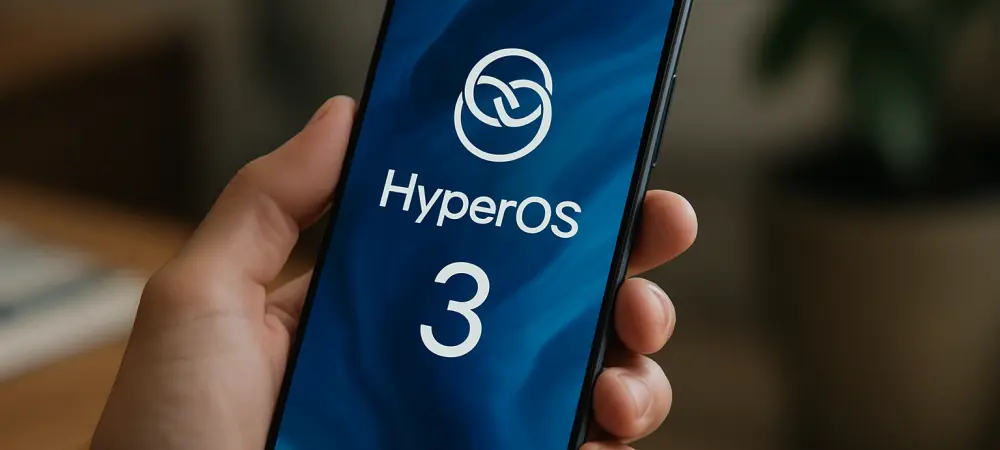
The rollout of a major new operating system is a pivotal moment for any technology company and its user base, often marked by a mixture of excitement and anxious anticipation as device owners check for that much-awaited update notification. Xiaomi is currently in the midst of such a deployment with its HyperOS 3, a significant software evolution that promises a refined user experience. The company is now advancing its stable rollout, extending the software’s reach to an additional 13 devices within its primary Chinese market. This latest wave represents a crucial phase in the update’s lifecycle, following an earlier release that brought the new OS to 18 other models. The expansion is notable for its breadth, encompassing a diverse portfolio of the brand’s recent hardware, including last year’s flagship smartphones, innovative foldable devices, and highly popular mid-range offerings. This systematic and expanding release signals a confident and organized approach from the manufacturer, but it also raises important questions for users about the timeline, device eligibility, and the intricate logistics involved in delivering such a substantial software package to millions of handsets.
A Methodical Deployment in Its Home Market
Xiaomi’s strategy for distributing HyperOS 3 within China is a clear demonstration of a carefully managed and phased approach, designed to ensure stability and prevent server overload. The update package itself is substantial, with download sizes ranging between 7.3GB and 7.6GB, a testament to the comprehensive changes and new features packed into the software. To handle this massive data distribution, the release is being conducted in controlled batches. This tiered access model prioritizes users who were already participating in the HyperOS 3 Beta program, granting them immediate access to download the stable version. For the wider user base, the update will arrive automatically over-the-air (OTA), a process that is staggered to manage demand. This means that while some users may see the notification within a few days of the official announcement, others might need to wait for a week or more for the update to reach their specific device. This methodical process is standard practice for large-scale software deployments, as it allows the company to monitor for any unforeseen issues in a controlled manner before pushing the update to the entire eligible user base, ensuring a smoother transition for everyone involved. The latest list of devices slated to receive HyperOS 3 showcases Xiaomi’s commitment to supporting its most recent and high-profile products. This wave of updates prominently features the brand’s flagship lineup, with the entire Xiaomi 14 series—including the Xiaomi 14, Xiaomi 14 Pro, Xiaomi 14 Ultra, and their respective Titanium Special Editions—being brought onto the new platform. The company’s cutting-edge foldable devices, the Xiaomi MIX Fold 4 and Xiaomi MIX Flip, are also included, ensuring that users of these innovative form factors are not left behind. The update extends beyond the premium tier, with the stylish Xiaomi Civi 4 Pro also making the list. Furthermore, the popular and powerful Redmi sub-brand is well-represented, as the complete Redmi K70 series, comprising the K70 Pro, K70 Ultimate Edition, K70, and K70E, is part of this rollout. The expansion even reaches the tablet category with the Xiaomi Pad 6S Pro 12.4. This deployment is proceeding as scheduled for November, with confirmation that the Redmi Pad 2 is also set to begin receiving its update on November 15th, further broadening the software’s reach across the product ecosystem.
The Contrast Between Regional and Global Timelines
While the HyperOS 3 rollout is progressing at a steady clip in China, the situation for international users presents a more gradual and measured pace. This disparity between the domestic and global deployment schedules is a common trend in the smartphone industry, often attributed to the complexities of software localization, regional carrier testing, and certification requirements. In contrast to the rapid succession of device updates seen in the Chinese market, the global expansion of HyperOS 3 has been more selective thus far. A few high-end global devices, such as the newly launched Xiaomi 15 series and the performance-oriented POCO F7 Ultra, have already received the update, likely as part of their initial software package. However, many other popular international models that have a large and dedicated user base are still awaiting their turn. This includes widely adopted devices like the Redmi 14 series, the previous-generation POCO F7, and the popular POCO X7 and its Pro variant. This staggered approach, while strategically sound from a logistical standpoint, creates a period of anticipation and uncertainty for global customers eager to experience the latest software enhancements. Xiaomi’s execution of the HyperOS 3 rollout ultimately highlighted a mature and deliberate software deployment strategy that prioritized stability and a wide range of device support. The phased approach, beginning with a robust and swift rollout in its home market before a more measured global expansion, demonstrated a clear understanding of the logistical challenges involved. By systematically updating its portfolio, from the latest flagships and foldables to popular mid-range models and tablets, the company reinforced its commitment to the longevity and continued improvement of its hardware ecosystem. This structured deployment established a precedent for future software releases, providing users with a clearer, albeit regionally varied, expectation of the company’s update cadence. The successful distribution of such a significant software package across a diverse lineup of products solidified the value proposition of its devices, assuring customers that their hardware would be supported with the latest features and security enhancements, which in turn strengthened the brand’s competitive position within the crowded Android market.