

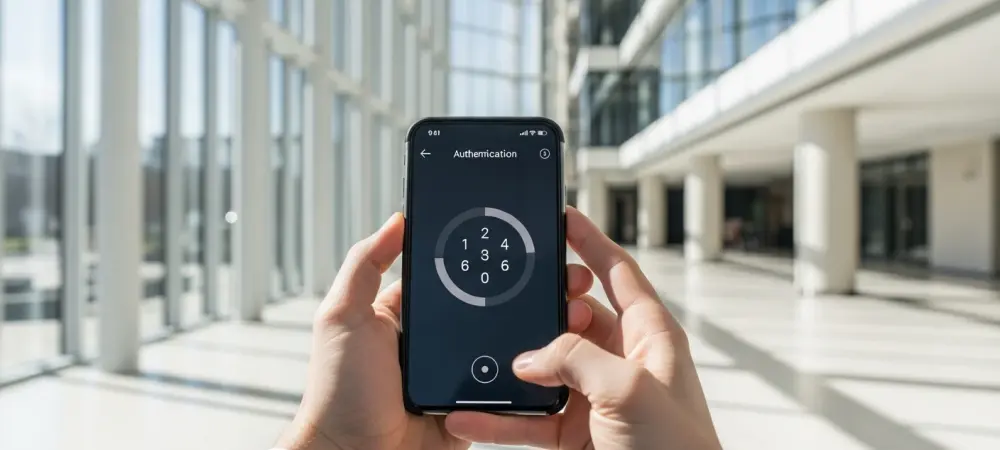
While most individuals view their mobile number as nothing more than a convenient way to stay connected with friends and family, the modern telecommunications landscape has transformed this string of digits into one of the most significant vulnerabilities within a personal digital ecosystem. In the current technological environment of 2026, a phone number functions as a universal identifier that bridges the gap between physical identity and virtual access, acting as the primary recovery method for bank accounts, social media profiles, and encrypted communication platforms. This centralization of access has inadvertently created a single point of failure where a single compromise can lead to a domino effect of unauthorized entries into sensitive accounts. Threat actors no longer see the phone as a destination but as a gateway, leveraging the fact that these numbers are often public or easily obtainable through various data broker services. As our reliance on mobile connectivity deepens, the inherent trust placed in SMS-based verification and traditional telephony protocols has become an increasingly attractive target for sophisticated cybercriminals who exploit the legacy architecture of mobile networks.
The Primary Attack Vectors: Smishing and Service Misappropriation
Social engineering remains the most prevalent method for exploiting mobile vulnerabilities, specifically through the refined practice of smishing, which utilizes deceptive text messages to manipulate user behavior. These attackers often craft highly convincing narratives, such as urgent alerts regarding suspicious banking activity or failed delivery notifications from major logistics companies, to induce a state of heightened anxiety. By creating a false sense of urgency, they pressure the recipient into clicking a malicious link or disclosing a one-time password that serves as the final barrier to a secure account. These campaigns have become increasingly sophisticated in 2026, utilizing automated scripts that can personalize messages based on leaked metadata, making the deception feel authentic even to tech-savvy individuals. The psychological manipulation at play relies on the inherent trust people have in their private messaging inbox compared to the often-filtered environment of email, leading to higher success rates for criminals.
Beyond direct interaction with the user, more aggressive tactics such as SIM swapping and unauthorized port-out requests bypass the victim entirely by targeting the telecommunications service provider. In a SIM swap attack, a criminal uses gathered personal data—often acquired from the dark web or through social media reconnaissance—to convince a mobile carrier’s customer service representative that they are the legitimate account holder who has lost their device. Once the representative transfers the service to a new SIM card controlled by the attacker, the victim’s physical phone immediately loses all connectivity, while the hacker gains full access to every incoming text message and call. This transition is particularly devastating because it allows the perpetrator to intercept two-factor authentication codes, effectively granting them the ability to reset passwords for financial institutions and email providers without ever needing the victim’s original credentials.
Deepening the Threat: Identity Fraud and Network Manipulation
A particularly insidious variation of mobile-related crime is subscriber fraud, where a perpetrator uses a victim’s stolen personal information to open entirely new mobile lines or credit-linked accounts. Unlike a SIM swap, which is immediately noticeable due to a loss of service, subscriber fraud can remain undetected for months as the victim’s primary device continues to function normally. The criminal may accumulate thousands of dollars in charges for high-end devices and international roaming, which eventually results in a sudden and catastrophic impact on the victim’s credit rating. Many individuals only discover this breach when they are contacted by debt collection agencies or when they attempt to secure a loan and find their financial history tarnished. This form of fraud highlights the danger of having a phone number linked to a broader identity profile that includes social security numbers and home addresses, which are frequently traded in underground digital marketplaces.
Technical exploits like phone cloning and caller ID spoofing further complicate the security landscape by manipulating the fundamental ways devices interact with cellular towers. Phone cloning involves duplicating the unique electronic serial numbers and mobile identification numbers of a legitimate device, allowing an attacker to piggyback on the victim’s service to make calls or consume data. While modern network standards have made cloning more difficult, it remains a threat in areas where legacy infrastructure is still operational. Spoofing, on the other hand, allows scammers to disguise their actual origin by making their calls or texts appear as though they are coming from a trusted local business or a government agency. By exploiting the trust associated with a familiar caller ID, attackers significantly increase the likelihood that a victim will answer and reveal sensitive information, such as social security digits or private PINs, under the guise of a routine security check.
Identifying Compromise: Immediate Warning Signs and Response Protocols
Recognizing the early indicators of a compromised mobile presence is essential for mitigating the long-term consequences of an attack. A primary red flag is the sudden and unexplained loss of cellular signal in an area where the user typically enjoys strong coverage, which often indicates that a SIM swap has been successfully executed. Another warning sign is the receipt of unsolicited notifications from mobile carriers regarding changes to account settings, such as a password reset or the addition of a new authorized user. Furthermore, if a user begins receiving multiple “one-time-use” security codes via SMS for accounts they are not currently attempting to access, it is a definitive sign that a threat actor has already bypassed the initial password layer and is attempting to clear the final security hurdle. Unusual battery drainage or the presence of unfamiliar apps on the device can also suggest that the hardware itself has been compromised by spyware.
When a breach is confirmed, the speed of the response determines the extent of the financial and personal data loss. The first and most critical step involves contacting the mobile service provider from a secure, separate line to report the fraud and place a global lock on the account to prevent further unauthorized transfers. Once the communication line is secured, the user must immediately update the passwords and security settings for all high-value accounts, with a specific focus on primary email addresses and banking portals. It is also necessary to review the “trusted devices” list within these accounts to ensure the hacker has not added their own hardware for future access. Filing a formal report with local law entertainment and the Federal Trade Commission provides a necessary legal paper trail, while contacting major credit bureaus like Equifax or Experian to initiate a credit freeze helps prevent the criminal from exploiting the victim’s identity to open new lines of credit.
Proactive Defense Mechanisms: Transitioning to Advanced Security Standards
Securing a digital identity in 2026 requires moving beyond the vulnerabilities of traditional telephony by adopting more robust authentication methods. Security experts strongly recommend that individuals transition away from SMS-based two-factor authentication in favor of dedicated authenticator applications or physical hardware security keys. These tools generate time-sensitive codes or utilize cryptographic signatures locally on the device, ensuring that even if a hacker successfully hijacks a phone number, they cannot intercept the secondary verification required for account access. Hardware keys, in particular, offer the highest level of protection against phishing because they require physical contact with the device and are virtually impossible to replicate remotely. By decoupling security from the phone number itself, users create a much more resilient defense that is not dependent on the integrity of a telecommunications carrier’s customer service department.
Hardening the mobile account directly with the carrier provides an additional layer of protection against unauthorized service changes. Many modern providers now offer specialized security features, such as “Port-Out Protection” or “Account Takeover Protection,” which require a unique, pre-established PIN or a physical visit to a retail location before any changes to the SIM or service provider can be made. The adoption of eSIM technology has also proven beneficial, as it eliminates the physical card that can be easily stolen or swapped, making it significantly harder for a thief to migrate the service to a new device without high-level administrative access. Furthermore, practicing digital hygiene by minimizing the public disclosure of a primary phone number can reduce the likelihood of being targeted. Utilizing secondary, privacy-focused VOIP numbers for online registrations and public listings helps keep the “master key” number hidden from the automated scrapers used by data brokers and scammers.
The Evolution of Personal Security: Reflecting on Systemic Shifts
The security landscape underwent a significant transformation as the vulnerabilities associated with mobile identifiers became impossible to ignore. Organizations and individuals alike shifted their focus toward decentralized identity models that reduced the reliance on a single string of digits for multi-factor authentication. This transition was driven by the realization that the traditional telecommunications infrastructure was never designed to serve as a primary security layer for the global financial system. Consequently, the industry saw a widespread adoption of FIDO2 standards and biometric integration, which successfully mitigated the risks posed by legacy attack vectors like SIM swapping. Users who proactively moved their sensitive accounts to these hardware-based or encrypted app-based systems found themselves much better protected against the waves of automated attacks that characterized the mid-2020s.
The collective response to mobile-centric threats ultimately strengthened the overall digital resilience of the public. By implementing port-out locks and utilizing eSIM technology, the mobile-using population effectively raised the cost of entry for cybercriminals, making opportunistic attacks less profitable. Education campaigns played a vital role, as people became more skeptical of unsolicited communications and more protective of their personal metadata. This era of digital history proved that while technology can introduce new weaknesses, the combination of individual vigilance and structural technical improvements can close those gaps. The move toward more secure, non-telephony-based verification methods ensured that a person’s phone number returned to its original purpose—a tool for communication rather than a fragile link in a complex security chain.