

Over 40,000 patients saw their protected health information compromised during a series of high-profile healthcare sector breaches in early to mid-2026. This alarming statistic highlights a significant shift in the digital landscape where healthcare providers have become the primary focus for global cybercriminal organizations. Unlike previous iterations of malware that primarily targeted financial institutions, current ransomware strains are designed to exploit the life-critical urgency inherent in medical environments. These attackers recognize that hospitals cannot afford even an hour of downtime without risking patient safety, creating a high-pressure environment that often leads to hasty decisions regarding ransom payments. The integration of legacy medical devices with modern cloud-based systems has expanded the attack surface, leaving many institutions vulnerable to exploits that bypass traditional firewall protections. As a result, the industry is seeing a transition from broad, untargeted campaigns to highly surgical strikes that aim to dismantle the core diagnostic capabilities of major health networks across the country.
Evolutionary Shifts in Cybercriminal Strategy
The New Standard: Data Exfiltration and Triple Extortion
The methodology of modern cyberattacks has moved beyond simple file encryption to a sophisticated multi-stage extortion model that prioritizes the theft of sensitive diagnostic data. Once inside a network, threat actors spend weeks performing quiet reconnaissance to identify where the most valuable patient records and intellectual property reside. By exfiltrating this data before any encryption occurs, hackers gain immense leverage over their victims, threatening to leak private medical histories or sell them to the highest bidder on the dark web. This approach effectively bypasses the traditional safety net of data backups, as restoring a system from a clean image does not solve the problem of stolen confidential information. Furthermore, these syndicates are increasingly utilizing legitimate administrative tools to blend in with normal network traffic, making detection difficult for standard monitoring solutions. This “living off the land” strategy allows intruders to maintain persistence within a hospital’s infrastructure for months without triggering any alarms.
Critical Risks: Vulnerabilities within the Medical Internet of Things
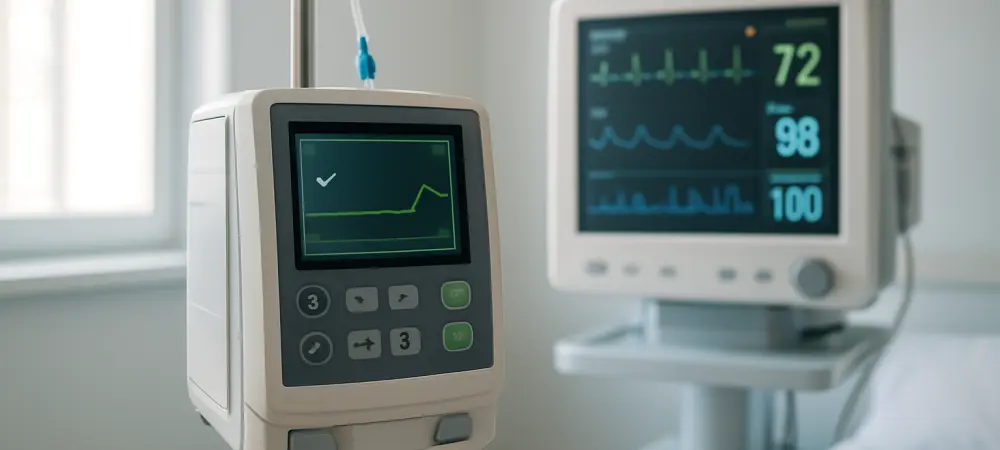
A concerning development in the current threat landscape is the increased focus on the Medical Internet of Things, which includes specialized devices like infusion pumps and cardiovascular monitors. These components often run on specialized operating systems that lack robust security updates, providing an ideal entry point for malicious actors seeking to pivot into more sensitive areas of the network. The danger here is not merely the loss of data but the potential for direct physical harm if life-sustaining equipment is manipulated or disabled remotely. Cybersecurity analysts have documented instances where attackers gained control of radiology imaging systems to inject false artifacts into diagnostic scans, potentially leading to incorrect medical decisions. The complexity of managing thousands of these connected devices across multiple campuses creates a significant management challenge for IT departments. Consequently, the focus has shifted toward securing the communication protocols between these devices and the central server, ensuring that only authenticated commands are executed.
Strengthening the Digital Perimeter of Healthcare
Strategic Defense: Implementing Zero Trust and Micro-Segmentation
In response to these pervasive threats, many health systems have adopted a Zero Trust security framework that assumes every connection request is a potential breach. This model eliminates the concept of a trusted internal network and instead requires rigorous identity verification for every user, device, and application attempting to access resources. By implementing granular access controls, hospitals can ensure that a nurse in the pediatric ward only has access to the specific records required for their shift, rather than the entire patient database. This strategy is complemented by micro-segmentation, which divides the network into isolated zones to contain the spread of malware. This defensive architecture effectively limits the blast radius of any single intrusion, allowing the hospital to maintain essential services even while responding to an active security incident.
Operational Resilience: Proactive Measures and Incident Response
Successful healthcare organizations responded to these challenges by moving toward a proactive and collaborative defense posture that prioritized long-term resilience over temporary fixes. They invested heavily in AI-driven threat hunting platforms that could identify the subtle signs of a breach long before any data was exfiltrated or encrypted. Administrators established air-gapped, immutable backup systems that ensured a reliable recovery point existed even in the event of a total network compromise. Beyond technical solutions, leadership teams fostered a culture of cybersecurity awareness, where medical staff were trained to recognize social engineering attempts that often served as the initial entry point for attackers. These institutions also participated in regional threat-sharing cooperatives, allowing them to stay ahead of new ransomware variants by learning from the experiences of their peers. Ultimately, the transition to a more integrated and transparent security model provided the necessary foundation to protect patient privacy and maintain the continuity of care.