

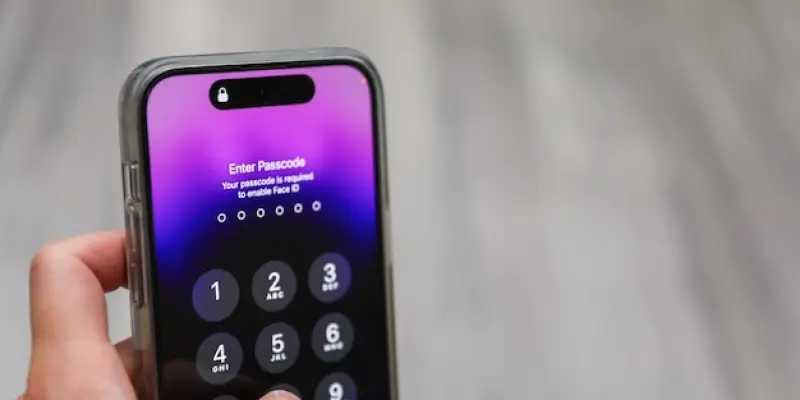
In a digital landscape where cybersecurity threats grow in complexity every day, ensuring the security of personal devices is of paramount importance. Apple’s recent release of iOS 18.5 is aimed at strengthening the security framework of its iPhone series, providing users with state-of-the-art protection against various vulnerabilities. This new update marks a significant advancement over previous versions, focusing chiefly on implementing robust security enhancements. The timing of this release is crucial, as the tech giant seeks to address potential weaknesses that could be exploited by malicious actors. With cyber threats continually evolving, iPhone users worldwide are encouraged to embrace iOS 18.5 to safeguard their data and maintain device integrity. The update provides over 30 security fixes, reinforcing Apple’s commitment to user safety. This article will delve into the key security improvements offered in iOS 18.5, highlight the vulnerabilities patched, and underscore why this update is non-negotiable for those invested in data protection and cybersecurity.
iOS 18.5 Update: A Focus on Security
The iOS 18.5 update emerges as a critical installment in Apple’s suite of operating systems, primarily due to its concentrated focus on rectifying security vulnerabilities that have persisted in earlier versions. This release is characterized by its extensive range of security fixes, setting an unprecedented standard for user safety and device reliability. It particularly addresses vulnerabilities within critical system components such as Kernel, WebKit, Core Bluetooth, and iCloud document sharing. Kernel vulnerabilities, for example, posed risks of unexpected application or system terminations, threatening the seamless functionality expected of Apple devices. Similarly, flaws discovered in WebKit, the engine behind the Safari browser, could have led to memory corruption, compromising web security. The update also prioritizes security flaws found in Core Bluetooth, emphasizing the protection of sensitive user data from unauthorized access. The inclusion of iCloud document sharing vulnerabilities further reflects Apple’s understanding of the importance of user privacy in today’s digital age. Together, these fixes affirm Apple’s proactive stance on cybersecurity, catering to the needs of its global user base.
iOS 18.5’s security-centric nature is not merely about patching existing weaknesses; it signals a broader strategic shift towards preventive cybersecurity measures. Apple has prioritized security fixes in this update, foregoing feature enhancements that often accompany new releases. By doing so, the company aims to stay ahead of potential cyber threats, ensuring that its devices offer a robust barrier against increasingly sophisticated attacks. This update reinforces Apple’s reputation as a leader in digital security, assuring users that their devices are equipped to face emerging challenges in the tech industry. The emphasis on security reflects a wider industry trend where digital safety becomes an integral aspect of technological innovation. Apple’s strategy aims not only to resolve current vulnerabilities but to reinforce its operating systems against potential future threats, underscoring the importance of this update for users conscious of cybersecurity. For businesses and individuals alike, timely adoption of iOS 18.5 is essential to maintaining privacy and integrity, validating Apple’s commitment to holistic digital protection.
Addressing Critical Vulnerabilities
As iOS 18.5 rolls out, its significance largely hinges on the critical security vulnerabilities it aims to resolve, offering users peace of mind that previous versions could not. Among the many fixes, attention is drawn to at least thirty critical flaws that posed significant risks. In particular, two serious Kernel vulnerabilities addressed in this update hold the potential to disrupt system operations drastically. These flaws, if exploited, might authorize remote attackers to cause unanticipated application or system shutdowns, leading to operational hindrances for users. The Kernel update thus serves as a bedrock for securing basic system functionality, vital for any device’s operation. Additionally, WebKit issues highlighted in the update were capable of causing memory corruption, jeopardizing the browser’s security and, by extension, user privacy and data integrity. Such vulnerabilities could lead to unauthorized data access, underscoring the critical need for prompt user action in updating their devices.
Core Bluetooth and iCloud document vulnerabilities add another layer of urgency to the adoption of iOS 18.5. The Bluetooth flaw particularly concerned applications accessing sensitive user data, while iCloud issues raised alarms about user privacy during document sharing. Apple’s approach in addressing these inconsistencies demonstrates a commitment to safeguarding user data from potential breaches. Moreover, the comprehensive nature of these updates extends beyond iPhones, heralding essential security changes in other Apple operating systems like iPadOS, watchOS, and macOS. The incorporation of cross-platform security measures illustrates Apple’s understanding of the interconnectedness of its devices. Noteworthy is the collaboration with the U.S. Cybersecurity and Infrastructure Security Agency (CISA), which took significant interest in this update due to its implications for government agencies and high-risk enterprises. This advisory compellingly reinforces the importance of iOS 18.5, not just for individual users but for organizational entities tasked with safeguarding sensitive information on a larger scale.
Expanding Apple’s Security Strategy
The prevailing sentiment within the tech community is indicative of Apple’s broadened security strategy in releasing iOS 18.5, underscoring the company’s proactive measures in dealing with cybersecurity threats. This update is a testament to Apple’s understanding that user safety is a non-negotiable aspect of technological advancement. Recognizing the increasing sophistication of cyber exploits, Apple is dedicated to enhancing protection measures through timely updates. The introduction of iOS 18.5 strengthens weaknesses and serves as a preventive measure against future threats, reinforcing the company’s emphasis on digital security. The unanimous consensus across the tech industry recognizes this update as a necessity for users committed to protecting their data. IT enterprises and individual users are encouraged to update promptly, safeguarding their devices against vulnerabilities and advancements in cyber threat tactics. Emphasizing the importance of this strategic approach, Apple’s measures symbolize the significance attributed to user data protection within the digital realm.
By releasing iOS 18.5, Apple not only addresses current threats but also sets a precedent for its security-first approach. These updates are pivotal for maintaining trust and reliability among users, which is a fundamental aspect of Apple’s ethos. The focus is directed entirely toward mitigating cybersecurity risks, establishing a fortified security framework for future technological developments. Apple’s decision to prioritize security over aesthetics or additional functionality is a clear response to the evolving landscape of cyber threats. As such, users familiar with Apple’s products can trust the integrity and reliability offered by iOS 18.5, allowing them to navigate digital environments with relative security. The comprehensive nature of this update invites users to consider the long-term benefits it presents, offering peace of mind in an increasingly interconnected world. Undeniably, iOS 18.5 is a watershed moment in Apple’s commitment to robust cybersecurity, carving out a path toward a secure and reliable digital future.
Key Takeaways and Future Considerations
In today’s digital age, where cybersecurity threats are becoming increasingly sophisticated, protecting personal devices is crucial. Apple has addressed this by releasing iOS 18.5, aimed at enhancing the security framework of the iPhone series. This update offers state-of-the-art protection against a range of vulnerabilities, representing a significant advancement over prior versions with a robust focus on security enhancements. Released at a crucial time, Apple seeks to address and fortify against potential weaknesses that cybercriminals might exploit. As cyber threats are constantly evolving, iPhone users worldwide are encouraged to update to iOS 18.5 to protect their data and ensure their devices remain secure. The update includes over 30 security fixes, underscoring Apple’s dedication to user safety. This update is indispensable for those who prioritize data protection and cybersecurity. It not only fixes vulnerabilities but also strengthens defenses against emerging threats, thereby ensuring peace of mind for iPhone users.