
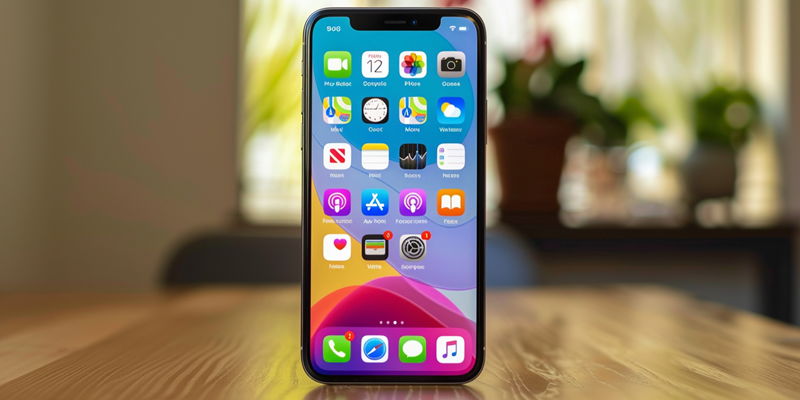
Is Your iPhone Safe from Mercenary Spyware Attacks?

Apple has sounded the alarm for iPhone users in 92 nations, including India, regarding highly sophisticated “mercenary spyware attacks”. These are not your average cyber threats; they are advanced enough to infiltrate devices remotely by exploiting security flaws. The users on the receiving end of these espionage tactics were informed via email, a precautionary outreach that Apple initiated in 2021. Since then, the tech giant has been vigilant, casting a wide net to warn individuals in over 150 countries. Apple’s proactive stance emphasizes the escalating magnitude of digital warfare and the need for robust cybersecurity measures. Users are prompted to stay updated on security protocols to ward off such intrusive assaults that stealthily bypass traditional defenses. The sophistication of these spyware attacks underscores the evolving landscape of cyber threats and the ongoing battle between tech companies and cybercriminals.

Understanding the Threat

The hazards presented by sophisticated mercenary spyware are extreme. Such threats, distinct from typical viruses, specifically target individuals and often evade detection with their complex tactics. Apple hints at “state-sponsored” involvement, suggesting considerable sophistication and resource investment. While the identity of the perpetrators hasn’t been disclosed, the veil of secrecy around the issue points to sensitive, potentially global ramifications.

This issue has profound global security repercussions, endangering personal data integrity. Apple’s alerts to its customers reflect not just a dedication to digital safeguarding but also the urgency of user vigilance. Apple’s actions underscore how critical it is for users to employ cyber hygiene measures like consistent software updates and caution with dubious downloads or links. In an era rife with digital espionage, user awareness and education are crucial defenses for iPhone owners around the globe.

Explore more

Jenacie AI Debuts Automated Trading With 80% Returns

We’re joined by Nikolai Braiden, a distinguished FinTech expert and an early advocate for blockchain technology. With a deep understanding of how technology is reshaping digital finance, he provides invaluable insight into the innovations driving the industry forward. Today, our conversation will explore the profound shift from manual labor to full automation in financial trading. We’ll delve into the mechanics

Chronic Care Management Retains Your Best Talent

With decades of experience helping organizations navigate change through technology, HRTech expert Ling-yi Tsai offers a crucial perspective on one of today’s most pressing workplace challenges: the hidden costs of chronic illness. As companies grapple with retention and productivity, Tsai’s insights reveal how integrated health benefits are no longer a perk, but a strategic imperative. In our conversation, we explore

DianaHR Launches Autonomous AI for Employee Onboarding

With decades of experience helping organizations navigate change through technology, HRTech expert Ling-Yi Tsai is at the forefront of the AI revolution in human resources. Today, she joins us to discuss a groundbreaking development from DianaHR: a production-grade AI agent that automates the entire employee onboarding process. We’ll explore how this agent “thinks,” the synergy between AI and human specialists,

Is Your Agency Ready for AI and Global SEO?

Today we’re speaking with Aisha Amaira, a leading MarTech expert who specializes in the intricate dance between technology, marketing, and global strategy. With a deep background in CRM technology and customer data platforms, she has a unique vantage point on how innovation shapes customer insights. We’ll be exploring a significant recent acquisition in the SEO world, dissecting what it means

Trend Analysis: BNPL for Essential Spending

The persistent mismatch between rigid bill due dates and the often-variable cadence of personal income has long been a source of financial stress for households, creating a gap that innovative financial tools are now rushing to fill. Among the most prominent of these is Buy Now, Pay Later (BNPL), a payment model once synonymous with discretionary purchases like electronics and