

Introduction
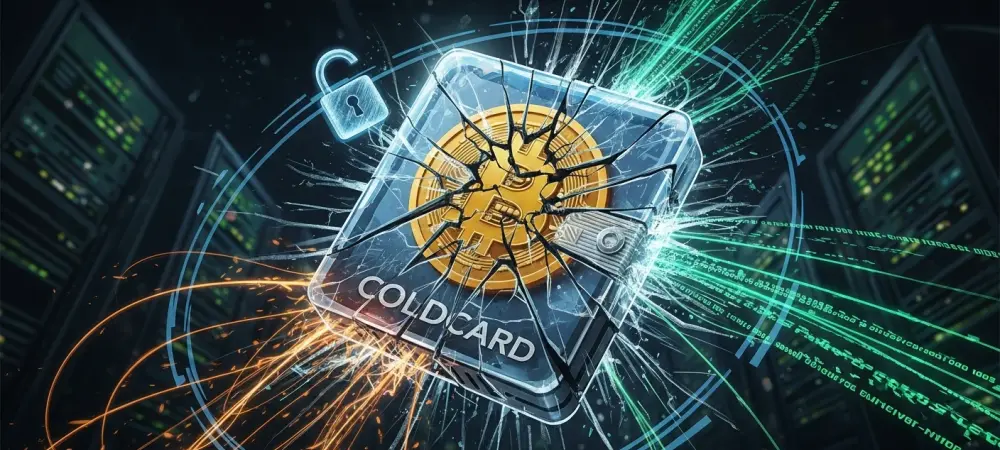
The sudden disappearance of nearly ninety million dollars from purportedly secure hardware wallets has sent a chill through the entire cryptocurrency community this season. This staggering loss stems from a long-undetected flaw in the Coinkite Coldcard lineup, affecting thousands of users who thought their private keys were untouchable. The scope of this investigation covers the technical failure of the random-number generator and the resulting vulnerability in the cryptographic seed generation. Readers will learn about the specific models affected and the critical actions required to protect their digital assets from further exploitation. Understanding these risks is essential for anyone maintaining a self-custody strategy in the current landscape.
Key Questions Regarding the Security Breach
What Exactly Caused the Coldcard Vulnerability?
The breach originated from a previous firmware update that fundamentally compromised the internal random-number generator within the devices. Instead of producing the unique cryptographic entropy required for secure keys, the system defaulted to a predictable pattern under certain conditions. This technical failure meant that the generated seeds were not truly random, making them susceptible to external reconstruction by attackers. Moreover, hackers were able to use this deterministic fallback method to calculate private keys offline without ever touching the physical hardware. Once the pattern was identified, automated scripts began draining funds from thousands of addresses in massive waves across the network. This situation highlights the critical importance of verifiable and robust randomness in cold storage solutions.
Which Hardware Models Are Currently at Risk?
The scope of this vulnerability is remarkably broad, spanning several generations of the Coldcard product line including the Mk2, Mk3, Mk4, Mk5, and the newer Q models. Users who relied solely on the internal software to generate their seed phrases without additional manual entropy are the most vulnerable to these ongoing attacks. Specifically, newer models were found to produce significantly less entropy than the industry standard.
In contrast, those who utilized manual dice rolls or implemented a strong BIP-39 passphrase may have an additional layer of protection against the current exploit. However, the sheer volume of compromised addresses—exceeding four thousand—suggests that many owners skipped these extra security steps. Investigators continue to monitor attacker-controlled wallets where the stolen Bitcoin is currently being consolidated.
How Can Users Secure Their Assets Immediately?
The most pressing priority for any wallet holder is to verify their current firmware version and install the emergency patches issued by Coinkite. These updates are specifically designed to fix the entropy flaw and restore the integrity of the key generation process. However, simply updating the device does not secure a seed that was created while the vulnerability was active.
Consequently, security experts recommend moving funds to a completely new wallet generated on a patched device or a different platform entirely. It is vital to avoid generating any new keys until the latest firmware is active and the device state is verified as secure. Moving assets to a multi-signature setup is now considered a standard requirement for anyone seeking to rebuild trust in their storage strategy.
Summary of the Security Crisis
The Coldcard breach serves as a stark reminder that even the most reputable hardware can harbor hidden software defects that jeopardize significant capital. While the immediate firmware fix addresses the root cause of the weak entropy, the recovery of stolen funds remains a complex challenge for federal investigators and analysts. Users must now prioritize proactive security audits and stay informed about hardware updates to prevent similar incidents. Monitoring stolen funds and identifying attacker-controlled addresses are ongoing efforts within the industry.
Conclusion and Final Thoughts
This incident demonstrated that the perceived safety of offline storage was only as strong as the code governing its core functions. Many investors realized that reliance on a single point of failure required a shift toward more robust, multi-layered security architectures. The community learned that transparency and constant vigilance were the only effective defenses against sophisticated cryptographic exploits. Taking personal responsibility for verifying hardware integrity became the new gold standard for asset protection.