
Is Yeston’s RTX 4060 Ti Sakura Worth Its $529 Price Tag?

Yeston’s recent unveiling of the GeForce RTX 4060 Ti Sakura edition has sparked the interest of the PC community, merging top-notch hardware specs with a distinctive aesthetic. Priced at $529, it finds itself nestled in the mid-range market, offering considerable value for tech aficionados ready to invest in their rig’s performance and style.

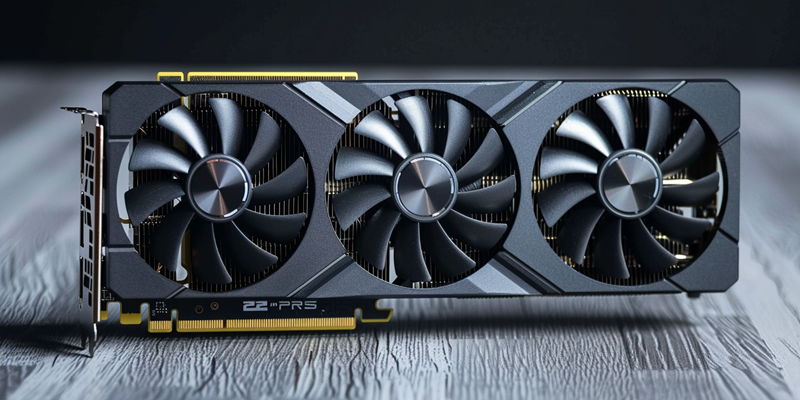
The RTX 4060 Ti is not only eye-catching with its pastel hues and RGB flair; it’s a powerhouse, too. Equipped with a triple-fan setup and boosted to 2595 MHz out of the box, it stands poised to tackle intensive gaming and creative tasks. Under the hood, you’ll find an AD106 core, 4352 shaders, and 16GB of GDDR6 memory, which ensure a blend of efficiency and raw power. Yeston caters to enthusiasts with a penchant for performance enveloped in a unique package, ensuring that the Sakura series remains a blend of function and form. The RTX 4060 Ti balances the scale of visual charm and practical prowess for users wanting more than the mundane from their PC components.

Delving into the Details

The Yeston RTX 4060 Ti Sakura is a robust offering for gamers, boasting a cutting-edge 5nm AD106 chip and a hefty 16GB of GDDR6 RAM, coupled with a 2310MHz base clock and a swift 18Gbps data rate. It’s well-equipped to deal with contemporary gaming demands, including high-definition textures. The card’s thermal design is also noteworthy, featuring a 2.5-slot form factor, an aluminum heatsink, and 6mm heat pipes, ensuring efficient cooling.

Connectivity and Aesthetics

With regard to connectivity, the card is versatile, sporting HDMI 2.1a and three DisplayPort 1.4a ports, perfect for multiple displays or high-refresh-rate experiences. Aesthetic appeal isn’t overlooked, with dual RGB lighting modes that bring a vibrant gradient and synchronizing abilities to your rig. The 8-pin power connector is standard fare for this caliber of GPU, indicating an expected energy consumption.

Weighing the Worth

The Yeston RTX 4060 Ti Sakura commands a $529 price tag, and for enthusiasts who appreciate a harmonic convergence of performance, style, and a hint of rarity, it might be a fitting choice. However, for those who seek maximum power efficiency and cost-effectiveness, alternative GPUs might align better with their goals.

Explore more

How Will Robotics Reshape the Future of European Industry?

Across the sprawling industrial corridors of Germany and the high-tech logistics hubs of the Netherlands, a silent transformation is unfolding as machines begin to think rather than just move. This shift marks a departure from the traditional mechanical automation of the past, signaling the arrival of an era where digital intelligence is the primary driver of production. European manufacturing is

Can AI Data Centers Benefit Small Island Nations?

The rhythmic hum of high-performance servers and the steady vibration of massive industrial cooling systems are beginning to replace the tranquil sounds of surf and wind in some of the most remote corners of the globe. For years, the digital economy was sold to the public as an ethereal “cloud” that floated somewhere out of sight, yet for a small

How Is Data Analytics Transforming Audit Quality?

The quiet hum of a server room has effectively replaced the frantic flipping of paper ledgers as auditors now harness computational power to scrutinize every single byte of financial data within seconds. While the tech world remains fixated on the flashy promises of Generative AI, a quieter revolution in data analytics is fundamentally rewriting the rules of financial oversight. Gone

Can Curve Optimizer Fix Your Ryzen Thermal Throttling?

The pursuit of peak hardware performance often feels like a constant battle against the laws of thermodynamics, where every megahertz gained requires a delicate balance of electricity and heat dissipation. While PC enthusiasts traditionally focused on maximizing power delivery to achieve higher speeds, the landscape in 2026 has shifted dramatically toward a model where thermal management is the primary constraint

Is Intent-Based Networking the New 6G Security Threat?

The seamless automation that defines the modern 6G landscape relies on a silent intelligence capable of translating human goals into billions of lines of machine code without manual intervention. This transition to AI-native connectivity promises a world where networks manage themselves, but this hands-off approach introduces a subtle, high-stakes vulnerability. While previous generations like 5G focused heavily on securing the