

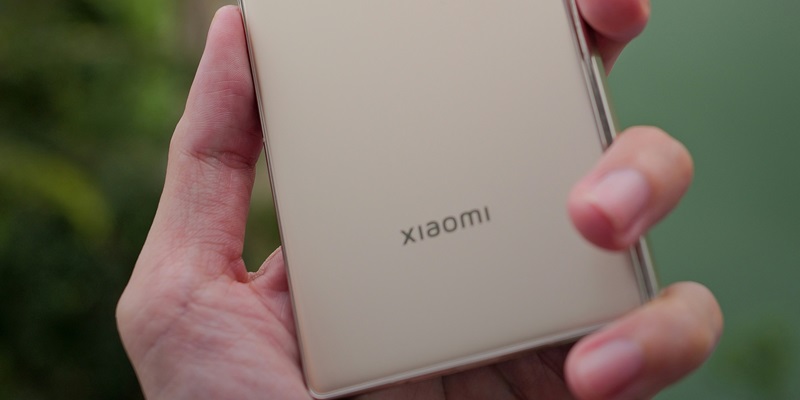
In the dynamic world of mobile technology, the foldable smartphone segment is gaining a significant foothold. Amidst the giants of this innovative niche, Xiaomi emerges with yet another striking proposition – the Mix Fold 4. Recently sailing through the certification process by the China Compulsory Certification, this device is not just a testament to Xiaomi’s engineering prowess but a potential game changer in the foldable phone arena. With the Mix Fold 4 featuring the much-touted 67W fast charging capability, a spec that harmonizes perfectly with its predecessors, it promises to bring not just flexibility in form, but in function too – rendering the fear of a drained battery less daunting.
The Quest for Speed in Foldables
The prospect of quick top-ups has become a clarion call for smartphone users, particularly with devices such as foldables, which tend to have larger screens that guzzle up power. Xiaomi’s Mix Fold 4 with its 67W fast charging capability isn’t just about waiting less; it’s about doing more. By pairing the phone with the MDY-15-EQ charger, which facilitates this swift energy infusion, Xiaomi is not merely keeping pace with consumer demands but likely setting a new benchmark for competitors. This focus on fast charging is not just a convenience but a necessity, as the dynamic displays and multitasking prowess of foldables often require more energy.
However, this race for rapid charging is accompanied by certain reservations. Critical voices point to the toll that such a facility may take on the longevity of a device’s battery life. Faster charging can lead to increased heat, a nemesis for battery health, raising concerns about potential long-term effects, such as quicker degradation of the battery. Consumers, while appreciative of short charging times, are becoming progressively aware of these trade-offs.
Innovating Beyond Charging
In the swiftly evolving mobile tech landscape, foldable smartphones are carving out a notable market segment. Xiaomi, a leader in this cutting-edge space, introduces its latest brainchild – the Mix Fold 4. The device has now successfully navigated through the China Compulsory Certification’s scrutiny, underscoring Xiaomi’s expertise in innovation and hinting at its potential to upset the current dynamics in the foldable phone market. The Mix Fold 4 boasts a standout feature: an impressive 67W fast charging capability. This spec is in line with its forerunners and it promises more than just a versatile shape – it offers functional agility. Long charging times that tie users down are becoming a thing of the past, thanks to innovations like these that ensure a quickly recharged battery and longer device autonomy. This contribution by Xiaomi may indeed set a new standard in the foldable smartphone category, offering both groundbreaking design and practical everyday use.