

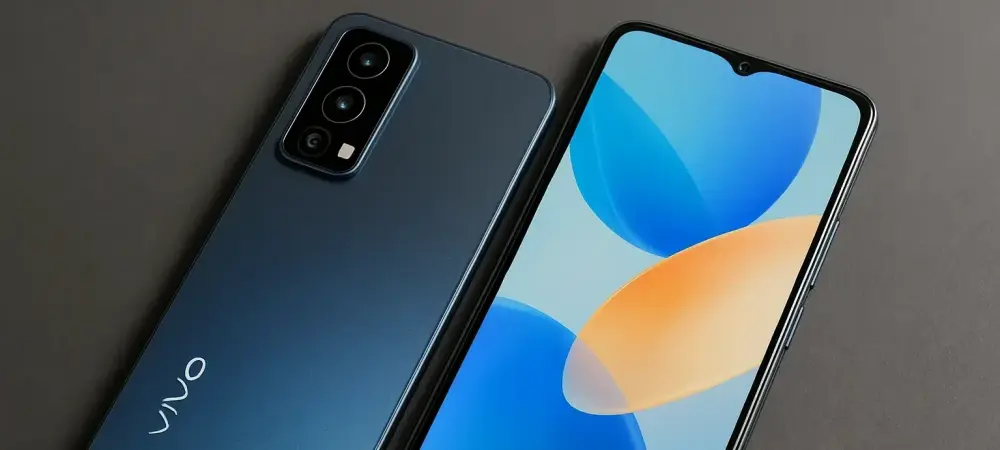
Amidst the dynamic landscape of smartphone technology, Vivo is preparing to unveil its latest offering, the Y400 5G model, in India. Scheduled for release on August 4, the new model aims to capture the attention of mid-range smartphone enthusiasts with its advanced features and specifications. Vivo Y400 5G is set to make waves with its dual rear camera setup, boasting a powerful 50-megapixel Sony IMX852 main sensor. Housed within a sleek vertical pill-shaped module, its camera promises to elevate photography standards for users. With availability in Glam White and Olive Green, the phone doesn’t just focus on functionality but also on aesthetic appeal. Its remarkable 6,000mAh battery coupled with 90W fast charging capabilities promises long-lasting performance, significantly surpassing previous models. A highlight of its design is the impressive IP68+IP69 ratings, ensuring dust and water resistance, thus appealing to users prioritizing durability.
Advanced Features and Enhancements
Vivo’s Y400 5G raises the bar with its Snapdragon 4 Gen 2 SoC coupled with 8GB RAM, operating on the latest Android 15-based FuntouchOS 15. This combination is designed to enhance the user experience through seamless operation and multitasking capabilities, making the phone a resilient competitor in the mid-range segment. The 120Hz AMOLED display ensures vibrant visuals and smoother interaction, appealing particularly to those who prioritize touch sensitivity and image quality in smartphones. Complementing these features are advanced AI functionalities like Google’s Circle to Search and AI Transcript Assist, aiming to offer efficiency and simplification in daily tasks. Situated against the backdrop of its predecessor, the Vivo Y400 Pro, which came coupled with a MediaTek Dimensity 7300 SoC and a slightly smaller 5,500mAh battery, the Y400 5G promises noticeable enhancements in performance and user satisfaction, reinforcing Vivo’s commitment to innovation.
Market Position and Competitive Edge
Vivo’s strategic introduction of the Y400 5G smartphone aligns with its objective to solidify its presence globally, particularly in the mid-range segment. By simultaneously launching its 4G variant on international platforms, Vivo caters to diverse regional market demands, expanding its global reach. The mid-range market is fiercely competitive, with numerous brands competing for consumer attention. Vivo distinguishes itself by focusing on battery life, display quality, and superior camera functions, establishing itself as a leader in this sector. These features attract tech-savvy users seeking value without sacrificing quality. The Y400 series reflects Vivo’s adaptability, which is critical in the constantly changing smartphone industry. This venture, while ambitious, is a well-calculated effort to redefine perceptions of mid-range smartphones and set a path for future technological advancements. This strategic enhancement positions the Y400 5G as a formidable contender, merging sleek design with substantive functionality for a broad user appeal.