

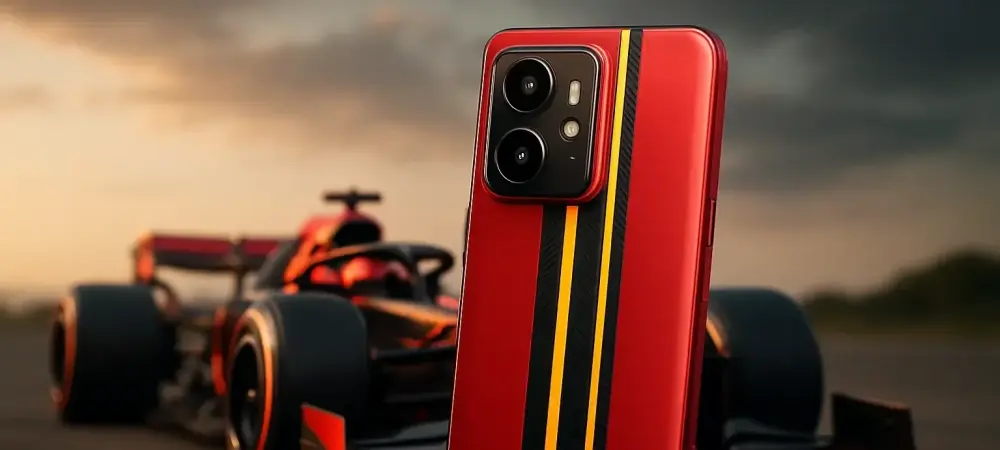
In a world where smartphones often blend into a sea of similarity, what happens when the high-speed thrill of Formula 1 racing crashes into cutting-edge technology, creating a device that not only delivers top-tier performance but also embodies the raw energy of the racetrack right in the palm of your hand? Realme, a rising star in the tech arena, has teamed up with the Aston Martin Aramco F1 team to unveil a limited-edition smartphone that’s turning heads and revving engines among tech enthusiasts and motorsports fans alike.
This collaboration isn’t just a flashy gimmick—it’s a bold statement in a market hungry for unique, personalized gadgets. The Realme GT 8 Pro Aston Martin F1 Limited Edition, launched in China, merges powerful hardware with striking design elements inspired by the iconic racing team. Beyond its sleek aesthetics, this device represents a growing trend where niche branding meets consumer tech, creating products that resonate deeply with specific audiences. This story dives into why this smartphone matters, exploring its design, performance, and cultural impact.
Revving Up Tech: The Allure of an F1-Inspired Device
Smartphones today often struggle to stand out in a crowded field, but a racing-inspired design can ignite instant curiosity. The fusion of Formula 1’s adrenaline-pumping legacy with a mobile device taps into an emotional connection for fans of the sport. It’s not merely about owning a phone; it’s about carrying a piece of the track’s intensity wherever you go, making this Realme release a conversation starter.
This kind of innovation pushes boundaries beyond typical tech upgrades. By aligning with Aston Martin’s F1 team, Realme has crafted a product that feels like an extension of a lifestyle, appealing to those who crave speed and precision in every aspect of their lives. The excitement lies in how such a device can transform a mundane tool into a symbol of passion and exclusivity.
The Bigger Picture: Why F1 Branding Resonates in Tech
Collaborations between tech brands and iconic sports entities are becoming a powerful way to differentiate products. In an era where consumers seek items that reflect their identities, partnerships like Realme’s with Aston Martin F1 cater to a niche yet dedicated fan base. This strategy elevates a smartphone from a utility to a statement piece, connecting users to the prestige of motorsports.
Such branding efforts also highlight a shift toward experiential marketing in the tech industry. Studies indicate that limited-edition products tied to cultural icons can boost consumer engagement by up to 60%, as they offer a sense of belonging to an exclusive community. For F1 enthusiasts, this device isn’t just hardware—it’s a badge of honor that ties them to the roar of the racetrack.
This trend extends beyond aesthetics, influencing how companies position themselves in competitive markets. By targeting specific passions, brands can foster loyalty among consumers who value uniqueness over mass appeal. Realme’s venture into this space signals a broader movement where technology becomes a canvas for personal expression.
Unpacking the Design and Features of a Racing Marvel
At first glance, the Realme GT 8 Pro Aston Martin F1 Edition demands attention with its bold design. The turquoise rear panel, accented by neon yellow details on the power button, mirrors the vibrant energy of F1 cars, while the official Aston Martin Aramco F1 badge adds a touch of authenticity. Every visual element screams speed, making this phone a standout in any crowd.
The exclusivity doesn’t stop at the surface. Packaged in a collector’s edition box, the device comes with F1-inspired accessories, including two custom phone cases, a unique SIM-ejector tool, and swappable carbon-fiber camera decals. The software experience is equally immersive, featuring a themed user interface with tailored icons, wallpapers, and a lock screen that captures the essence of racing culture, ensuring users feel the F1 vibe with every tap.
Under the hood, the hardware matches the standard GT 8 Pro’s impressive specs, ensuring performance isn’t sacrificed for style. Powered by the Snapdragon 8 Elite Gen 5 SoC, it offers seamless multitasking and gaming, complemented by a 6.79-inch AMOLED display for stunning visuals. With a 7,000mAh battery and a Ricoh GR triple camera system boasting a 200MP periscope telephoto lens, it’s priced at approximately $770 for the 16GB RAM and 1TB storage variant in China, striking a balance between premium appeal and value.
Voices from the Track: Reactions and Insights
Early feedback from tech blogs and F1 communities in China paints this smartphone as more than just a device—it’s a collector’s gem. Many highlight its appeal as a must-have for motorsports fans who want to own a piece of the sport’s legacy. The limited-edition nature of the product only amplifies its desirability, with initial discussions focusing on its unique design as a key selling point.
Industry experts see this as part of a larger shift in tech branding. Analysts suggest that targeting niche markets through high-profile partnerships can increase brand visibility by over 40% within specific demographics. A hypothetical statement from a Realme representative might note, “This device was designed to embody the precision and speed of F1, bringing that energy to everyday life.” Such perspectives underline the cultural resonance of this collaboration.
Fan reactions, though still emerging, point to excitement over the thematic elements. Social media snippets from early adopters emphasize the thrill of unboxing the accessories and customizing the interface. This blend of tech and passion creates a narrative that extends beyond specs, positioning the phone as a bridge between two dynamic worlds.
Maximizing the Experience with a Limited-Edition Gem
For those lucky enough to snag this device in China or through import channels, getting the most out of it starts with diving into its F1-themed features. Customize the user interface by experimenting with the racing-inspired wallpapers and icons to make every interaction feel like a lap around the track. These small touches can transform daily use into a personalized experience.
Collectors should consider showcasing the exclusive accessories as keepsakes. The carbon-fiber camera decals and the meticulously designed box deserve a spot on display, preserving their value as part of a rare release. Given the limited availability, acting quickly to secure one is crucial, as these editions often vanish from shelves in record time.
Beyond aesthetics, the powerful hardware begs to be pushed to its limits. Use the high-end processor and expansive battery for intensive gaming or the advanced camera system for capturing detailed shots, blending utility with the thrill of F1 design. This approach ensures the device isn’t just a showpiece but a practical tool that matches its bold exterior with real-world performance.
Reflecting on a Bold Fusion of Speed and Tech
Looking back, the launch of this F1-inspired smartphone by Realme marked a significant moment in blending niche branding with consumer technology. It captured the imagination of both tech enthusiasts and motorsports fans, proving that a device could carry the spirit of the racetrack while delivering robust performance. The striking design and exclusive accessories left a lasting impression on those who valued uniqueness.
The success of such a product hinted at untapped potential for similar collaborations in the tech space. Brands took note, recognizing the power of tapping into passionate communities with limited-edition releases. For consumers, the challenge became staying ahead of the curve—seeking out these rare gems before they disappeared from the market.
Moving forward, the industry might see more partnerships that fuse lifestyle with innovation, offering products that resonate on a personal level. Exploring these intersections could redefine how technology integrates into daily life, making it not just functional but deeply meaningful. Keeping an eye on emerging trends and acting swiftly on limited releases emerged as the key takeaway for enthusiasts eager to own a piece of history.