
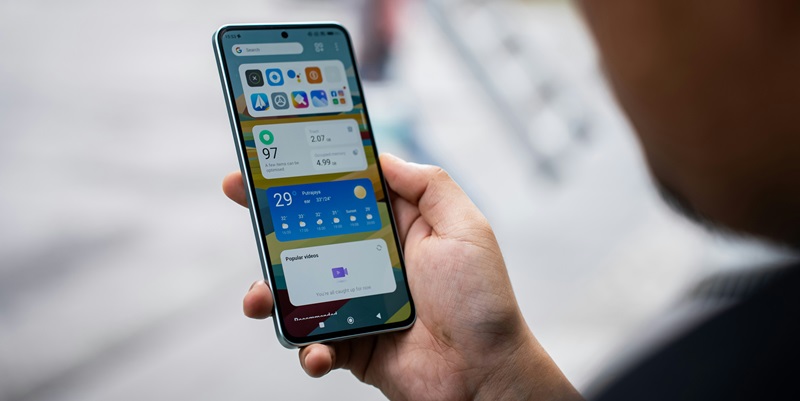
Is the Xiaomi Redmi Note 14 Pro Plus the Most Water-Resistant Phone Yet?

The market introduction of Xiaomi’s Redmi Note 14 Pro Plus has stirred considerable curiosity, thanks to its notable upgrade in water resistance. This device, soon to be globally released, boasts an impressive IP69 certification, a significant leap from the previous IP68 rating of its predecessor. Originally, Xiaomi caused some bewilderment by hinting that the global version might maintain the IP68 certification, aligning with past models. However, it has recently clarified that the international model will indeed match the Chinese variant’s IP69 rating. This robust certification ensures the phone can endure the harshest environments, such as exposure to hot water and high-pressure jets, without suffering damage. This exceptional level of protection is rarely seen in smartphones, making the Redmi Note 14 Pro Plus one of the most resilient options in the market, even outshining Xiaomi’s flagship models like the Xiaomi 15 and Xiaomi 15 Pro.

Advanced Hardware Features

The Redmi Note 14 Pro Plus, known for its impressive water resistance, is set to debut in India on December 9, alongside the Redmi Note 14 and Redmi Note 14 Pro. Xiaomi’s latest teasers highlight the model’s cutting-edge hardware, with the Light Hunter 800 being a standout feature that promises a notably enhanced user experience. Additionally, the phone boasts a 50 MP telephoto camera, likely appealing to photography enthusiasts. These features suggest a powerful device that melds durability and advanced technology, catering to a wide range of consumer needs.

Tech expert Alex Alderson, with years of experience in the field, has provided additional insights into these advancements. He encourages enthusiasts to check the detailed launch article for a comprehensive look at the Redmi Note 14 Pro Plus’s technical specifications. Its enhanced IP69 certification, coupled with Xiaomi’s focus on advanced camera capabilities, ensures that the upcoming release is highly anticipated in the competitive market. This device seems primed to meet the demands of users seeking both rugged outdoor performance and high-quality photographic features.

Explore more

Hotels Must Rethink Recruitment to Attract Top Talent

With decades of experience guiding organizations through technological and cultural transformations, HRTech expert Ling-Yi Tsai has become a vital voice in the conversation around modern talent strategy. Specializing in the integration of analytics and technology across the entire employee lifecycle, she offers a sharp, data-driven perspective on why the hospitality industry’s traditional recruitment models are failing and what it takes

Trend Analysis: AI Disruption in Hiring

In a profound paradox of the modern era, the very artificial intelligence designed to connect and streamline our world is now systematically eroding the foundational trust of the hiring process. The advent of powerful generative AI has rendered traditional application materials, such as resumes and cover letters, into increasingly unreliable artifacts, compelling a fundamental and costly overhaul of recruitment methodologies.

Is AI Sparking a Hiring Race to the Bottom?

Submitting over 900 job applications only to face a wall of algorithmic silence has become an unsettlingly common narrative in the modern professional’s quest for employment. This staggering volume, once a sign of extreme dedication, now highlights a fundamental shift in the hiring landscape. The proliferation of Artificial Intelligence in recruitment, designed to streamline and simplify the process, has instead

Is Intel About to Reclaim the Laptop Crown?

A recently surfaced benchmark report has sent tremors through the tech industry, suggesting the long-established narrative of AMD’s mobile CPU dominance might be on the verge of a dramatic rewrite. For several product generations, the market has followed a predictable script: AMD’s Ryzen processors set the bar for performance and efficiency, while Intel worked diligently to close the gap. Now,

Trend Analysis: Hybrid Chiplet Processors

The long-reigning era of the monolithic chip, where a processor’s entire identity was etched into a single piece of silicon, is definitively drawing to a close, making way for a future built on modular, interconnected components. This fundamental shift toward hybrid chiplet technology represents more than just a new design philosophy; it is the industry’s strategic answer to the slowing