

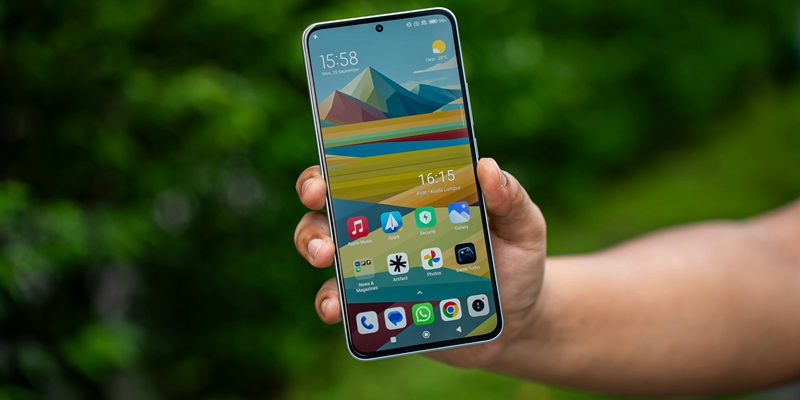
Xiaomi has announced the Redmi K80 Pro, a smartphone that is poised to make waves in the tech industry with its impressive specifications and innovative features. This device is equipped with the latest Qualcomm Snapdragon 8 Elite chipset and boasts a comprehensive camera system called the Light Hunter 800.
Advanced Camera Features
The camera system in the Redmi K80 Pro is one of its standout features. It includes a 50 MP primary sensor with a 1/1.55-inch optical format, a 20 MP front-facing camera, a 32 MP ultra-wide-angle camera, and a 50 MP telephoto camera with a 1/2.76-inch optical format. While the telephoto camera offers only 2.5x optical zoom, the primary camera benefits from optical stabilization, enhancing its capability to capture clear and steady images even in challenging conditions. These features collectively contribute to an exceptional photography experience.
Superior Display Quality
Another significant aspect of the Redmi K80 Pro is its 6.67-inch AMOLED display. This screen outputs at a resolution of 1440p and supports a 120 Hz refresh rate, ensuring smooth and vibrant visuals. The display can deliver up to 1,800 nits of full panel brightness and reaches 3,200 nits in specific areas when displaying HDR content. This suggests that users can expect a high-quality visual experience, whether they’re watching videos or playing games.
Potential Global Availability
While the announcement focused on the device’s features, there is also speculation regarding its global availability. Some analysts suggest that the Redmi K80 Pro might be introduced internationally as a successor to the Poco F6 Pro, potentially branded as the Poco F7 Ultra. This would allow Xiaomi to reach a broader market with its advanced technology.
Pricing and Configurations
In terms of pricing, the Redmi K80 Pro offers competitive options. The base model starts at CNY 3,699 (approximately $510) and includes 12 GB of RAM and 256 GB of storage. For those needing more power, higher-end configurations are available, offering up to 16 GB of RAM and 1 TB of storage for CNY 4,799 (~$662). Additionally, there is a premium Lamborghini Squadra Corse Special Edition priced at CNY 4,999 (~$690).
Conclusion
Xiaomi has just unveiled the Redmi K80 Pro, a groundbreaking smartphone set to create significant buzz in the tech world thanks to its remarkable features and high-end specifications. Central to its power is the newest Qualcomm Snapdragon 8 Elite chipset, ensuring top-notch performance and efficiency. This advanced processor is designed to handle even the most resource-intensive applications and games effortlessly, making the Redmi K80 Pro a top contender in the market. Additionally, the Redmi K80 Pro comes with an exceptional camera system named the Light Hunter 800. This camera setup is engineered to deliver extraordinary photo and video quality, further enhancing the user experience. The combination of advanced hardware and cutting-edge software positions the Redmi K80 Pro as a formidable competitor in today’s smartphone arena.
The phone is also expected to come with a vibrant and sharp display, likely an AMOLED screen, which offers stunning visuals and an immersive viewing experience. Other anticipated features include fast charging capabilities, a high-capacity battery, and ample storage options. With its blend of sophisticated technology and user-friendly design, the Redmi K80 Pro aims to set a new standard for smartphones in its class.