

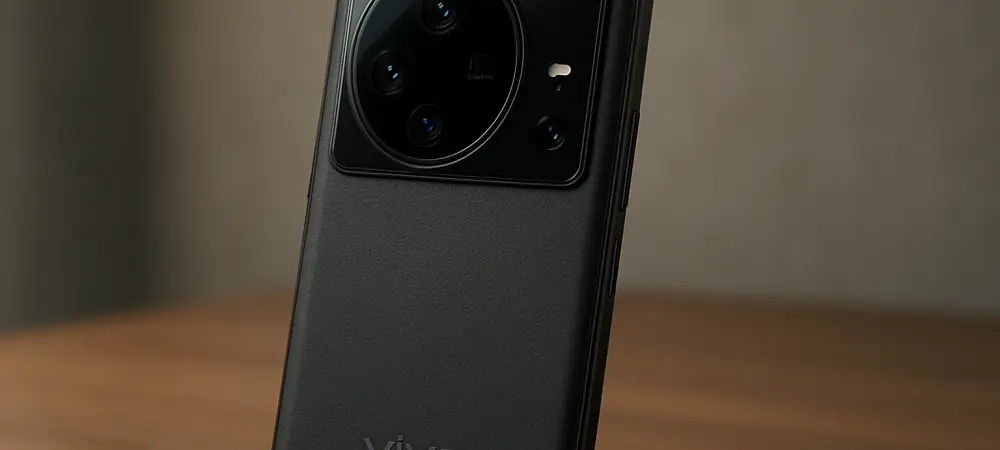
The New Contender for the Smartphone Crown
In the fiercely competitive landscape of flagship smartphones where every manufacturer vies for the top spot, a new challenger is emerging from the shadows, fueled by a torrent of compelling leaks and official documentation. The upcoming Vivo X300 Ultra is not just another high-end device; it is being positioned as a potential titan, a handset engineered to shatter performance records and redefine user expectations. This anticipation has been significantly amplified by recent certifications, which lend a solid foundation to the otherwise speculative claims about its groundbreaking capabilities.
The conversation around the X300 Ultra has shifted from mere rumor to credible forecast. As details continue to surface, it becomes increasingly clear that Vivo is aiming to deliver more than an incremental upgrade. Instead, the company appears to be preparing a definitive statement piece, a device designed to dominate benchmarks, photography, and battery endurance, potentially setting a new standard for what a premium smartphone can achieve in 2026.
Unpacking the Official Certification
Much of the recent excitement can be traced back to an official listing on China’s Compulsory Certification (3C) website. The document, which identifies a Vivo device by the model number V2536A, provides the first concrete evidence of the X300 Ultra’s power specifications. While certifications are often dense and technical, this one contained a crucial detail that confirmed a significant leap forward for the brand. This listing explicitly confirms that the handset will support up to 100W of wired fast charging. This is not just a minor improvement; it is a substantial upgrade from the 90W charging found on its predecessor, the Vivo X200 Ultra, as well as the recently launched X300 and X300 Pro models. By appearing on an official regulatory body’s website, this feature moves from the realm of rumor to established fact, grounding the subsequent performance claims in a verifiable reality.
A Glimpse at the Powerhouse Specifications
Unprecedented Charging and Battery Endurance
The certified 100W charging capability is only one part of an incredible power equation. Leaks suggest that Vivo will pair this rapid charging with a colossal 7,000mAh battery. If this proves true, the X300 Ultra would offer a level of endurance rarely seen in the flagship segment, a domain where manufacturers often compromise on battery size to maintain a slim profile. This combination promises to virtually eliminate battery anxiety for even the most demanding power users.
This dual focus on both charging speed and raw capacity signals a strategic move to address a major consumer pain point. For users who rely on their devices for gaming, content creation, and all-day professional tasks, the ability to last through intense usage and then recharge in minutes could become the X300 Ultra’s most compelling selling point, setting it far apart from competitors who have yet to strike this balance so effectively.
The Next Generation of Processing Power
At the heart of the Vivo X300 Ultra’s performance ambitions is the rumored, and as-yet-unannounced, Snapdragon 8 Elite Gen 5 chipset. This next-generation processor is expected to be the engine that drives the device’s top-tier capabilities, from seamless multitasking to console-level gaming. As the anticipated successor to an already powerful line of chips, this new silicon could provide the raw horsepower needed to make the X300 Ultra one of the fastest phones on the market.
This processor is not just about speed but also about efficiency and advanced processing for tasks like AI-enhanced photography and on-device machine learning. By potentially being one of the first devices to feature this chipset, Vivo is positioning the X300 Ultra at the absolute cutting edge of mobile technology, appealing directly to enthusiasts who demand uncompromising performance.
A Class-Leading Visual and Security Experience
A smartphone’s power is best experienced through its display, and the X300 Ultra is rumored to excel here as well. Reports point to a large 6.8-inch 2K display sourced from BOE, complete with a fluid 120Hz refresh rate. This combination is poised to deliver an immersive visual experience, with crisp details, vibrant colors, and smooth animations, making it ideal for everything from streaming high-definition content to fast-paced gaming.
Complementing the premium display is an equally advanced security feature: a third-generation 3D ultrasonic fingerprint sensor. This technology offers a significant advantage over traditional optical sensors by providing faster, more accurate, and more secure unlocking, even with wet or dirty fingers. It is a subtle but important feature that enhances the overall user experience and reinforces the device’s premium positioning.
A Revolutionary Leap in Mobile Photography
Vivo’s X-series has long been celebrated for its photographic prowess, and the X300 Ultra appears set to elevate this reputation to an entirely new level. The most striking rumor concerns its triple rear camera system, which is said to feature not one, but two 200-megapixel sensors. This unprecedented hardware could enable unparalleled detail in photos and offer incredible versatility through advanced digital zoom and pixel-binning techniques.
This formidable duo of primary sensors is reportedly joined by a 50-megapixel ultrawide camera, rounding out a system that seems designed to challenge dedicated professional cameras. If these specifications hold true, the Vivo X300 Ultra could establish a new industry standard for mobile imaging, pushing the boundaries of what is possible with a smartphone camera and forcing competitors to innovate aggressively to keep pace.
Setting a New Benchmark for Flagships
When the rumored specifications of the Vivo X300 Ultra are placed alongside its predecessor, the X200 Ultra, and current market rivals, the scale of its ambition becomes clear. The leap to a 7,000mAh battery, a dual 200MP camera setup, and a next-generation chipset is not an incremental step but a giant stride forward. It suggests a device designed not just to compete but to dominate across multiple categories.
This aggressive approach could make the X300 Ultra a true game-changer. While other flagships often excel in one or two areas, Vivo’s rumored contender aims for comprehensive excellence. By pushing the envelope on battery, processing power, and photography simultaneously, it sets a new, incredibly high benchmark that could redefine what consumers expect from a top-tier smartphone.
Understanding its Place in the Vivo Lineup
The X300 Ultra is set to be the crown jewel of the broader Vivo X300 series, positioned firmly above the recently launched X300 and X300 Pro models. Those devices, which run on the capable MediaTek Dimensity 9500 chipset, serve the upper-mid-range and entry-flagship markets, respectively. The Ultra, however, is aimed squarely at the ultra-premium segment, serving as a showcase for Vivo’s most advanced technology. With a projected release window in the first quarter of 2026, Vivo is giving itself ample time to refine this powerhouse and build anticipation. This strategic timeline also allows the standard and Pro models to establish their presence in the market, setting the stage for the Ultra to make a grand entrance as the undisputed leader of the lineup and the brand’s primary weapon in the global flagship battle.
Reflection and Broader Impacts
Reflection
The on-paper specifications of the Vivo X300 Ultra painted a picture of a device with immense potential. Its primary strengths clearly lay in its raw power, revolutionary camera system, and unparalleled battery endurance. However, its path to market dominance was not without significant challenges. It would launch into a hyper-competitive environment, facing off against established leaders from Apple and Samsung.
Furthermore, a device packed with such cutting-edge technology was likely to carry a premium price tag, potentially limiting its audience. The greatest challenge of all, however, was the immense pressure to deliver an experience that lived up to the monumental hype. Flawless execution across hardware and software would be essential for the X300 Ultra to translate its potential into true market leadership.
Broader Impact
Beyond its own success, the emergence of the Vivo X300 Ultra was poised to have a significant ripple effect across the entire smartphone industry. Features like a 7,000mAh battery paired with 100W charging and a dual 200MP camera setup could force competitors to reevaluate their own product roadmaps. Such advancements often accelerate innovation across the board, as rival brands are compelled to respond with their own technological leaps. This device had the potential to fundamentally raise consumer expectations for what a flagship phone should offer. Once users experience this level of battery longevity and photographic capability, it becomes the new baseline. Consequently, the X300 Ultra’s influence could be felt for years, pushing the industry toward more powerful, resilient, and versatile mobile devices.
The Final Verdict on This Future Flagship
The analysis of the leaks, certifications, and rumored specifications for the Vivo X300 Ultra revealed a device with the clear potential to claim the title of the most powerful phone. Its combination of a next-generation processor, a groundbreaking camera array, and a revolutionary battery and charging system formed a compelling argument for its supremacy. It was a handset that appeared to make very few compromises.
Ultimately, the examination suggested that the Vivo X300 Ultra was more than just an impressive collection of components; it represented a bold vision for the future of mobile technology. Its projected debut was not just another product launch but a potential inflection point for the premium smartphone market, promising to set new benchmarks that would challenge rivals and delight consumers for years to come.