
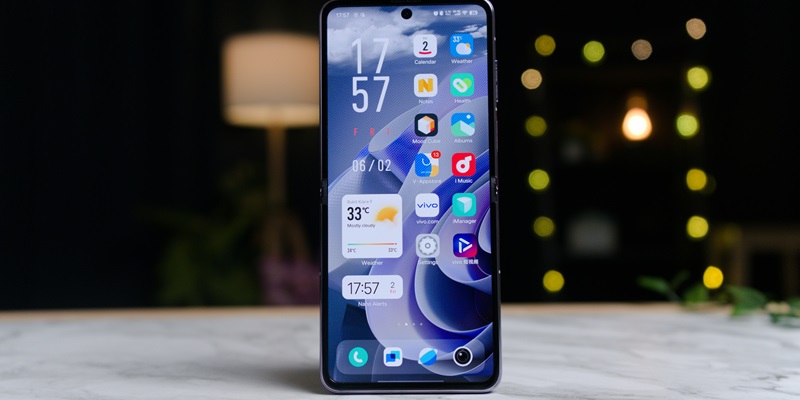
Is the Vivo V75 the New Mid-Range Smartphone Champion?

The smartphone market is abuzz with anticipation for the Vivo V75, a potential game-changer for mid-range devices. Touted to excel in both performance and photography, this rumored phone aims to attract a broad spectrum of users. Its advanced camera system promises to deliver high-quality 4K video and versatile photo capabilities, from wide panoramas to detailed macros.

For the performance-driven user, the V75 is expected to not disappoint. It boasts a large battery capacity to handle a full day’s use, which is essential for multitasking across various applications. Coupled with a powerful processor and ample RAM, the Vivo V75 is shaping up to be a smooth operator that could redefine expectations in the mid-tier bracket. This blend of long battery life, seamless multitasking, and superior camera technology could make the V75 a standout device in its category.

Balancing Features with Affordability

The Vivo V75, with rumors of its 6.5-inch AMOLED display, promises both vivid imagery and ease of handling – a crucial blend for today’s smartphone users. Elegance seems to be a priority for Vivo, as the anticipated sleek design suggests no compromise on style.

In the era of rapid connectivity, the V75’s potential 5G capability positions it as a strong contender in offering fast network speeds. Vivo’s latest UI upgrades should enhance user interfacing with its intuitiveness and customization options. Moreover, the commitment to regular security and performance updates will cater to the needs of security-conscious consumers.

The device’s speculated price point indicates a competitive stance in the mid-range market. However, the real test will come when Vivo officially unveils the phone, comparing it against its rivals to see if it can indeed claim the mid-range throne. Only then can we truly assess the impact of the V75.

Explore more

Hotels Must Rethink Recruitment to Attract Top Talent

With decades of experience guiding organizations through technological and cultural transformations, HRTech expert Ling-Yi Tsai has become a vital voice in the conversation around modern talent strategy. Specializing in the integration of analytics and technology across the entire employee lifecycle, she offers a sharp, data-driven perspective on why the hospitality industry’s traditional recruitment models are failing and what it takes

Trend Analysis: AI Disruption in Hiring

In a profound paradox of the modern era, the very artificial intelligence designed to connect and streamline our world is now systematically eroding the foundational trust of the hiring process. The advent of powerful generative AI has rendered traditional application materials, such as resumes and cover letters, into increasingly unreliable artifacts, compelling a fundamental and costly overhaul of recruitment methodologies.

Is AI Sparking a Hiring Race to the Bottom?

Submitting over 900 job applications only to face a wall of algorithmic silence has become an unsettlingly common narrative in the modern professional’s quest for employment. This staggering volume, once a sign of extreme dedication, now highlights a fundamental shift in the hiring landscape. The proliferation of Artificial Intelligence in recruitment, designed to streamline and simplify the process, has instead

Is Intel About to Reclaim the Laptop Crown?

A recently surfaced benchmark report has sent tremors through the tech industry, suggesting the long-established narrative of AMD’s mobile CPU dominance might be on the verge of a dramatic rewrite. For several product generations, the market has followed a predictable script: AMD’s Ryzen processors set the bar for performance and efficiency, while Intel worked diligently to close the gap. Now,

Trend Analysis: Hybrid Chiplet Processors

The long-reigning era of the monolithic chip, where a processor’s entire identity was etched into a single piece of silicon, is definitively drawing to a close, making way for a future built on modular, interconnected components. This fundamental shift toward hybrid chiplet technology represents more than just a new design philosophy; it is the industry’s strategic answer to the slowing