

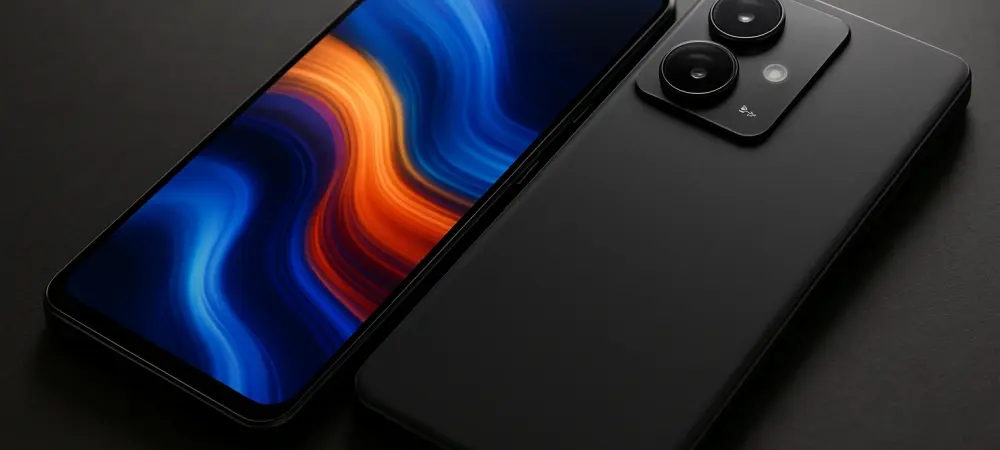
The global smartphone market often presents a tantalizing paradox for enthusiasts, where the most intriguing hardware innovations remain just out of reach, confined to a single regional launch. This scenario is playing out once again with the arrival of the Xiaomi Redmi Turbo 5 Max, a device that has captured attention as the debut platform for MediaTek’s powerful new Dimensity 9500s chipset. Positioned as a “sub-flagship” powerhouse, the phone promises performance that punches far above its price point, creating a compelling proposition for users who prioritize raw speed and cutting-edge specifications. However, with Xiaomi making no official announcements regarding an international release, prospective buyers outside of China are faced with a familiar dilemma. The handset is already appearing on third-party import sites, making it accessible to a worldwide audience, but this route is paved with compromises that extend beyond simple shipping logistics, forcing a careful evaluation of cost, software quirks, and long-term usability against the sheer appeal of its impressive internal components.
The Financial and Software Hurdles
For many potential buyers, the primary deterrent to importing a device like the Redmi Turbo 5 Max is the unavoidable price inflation that occurs when it crosses borders through unofficial channels. While the phone is aggressively priced in its home market, importers must factor in shipping, customs, and the retailer’s margin. The base model, featuring 12GB of RAM and 256GB of storage, sees its price jump from approximately $317 in China to $399 on import sites. The disparity is even more pronounced for the top-tier configuration with 16GB of RAM and 512GB of storage, which escalates from about $403 to $519. Beyond the financial sting, the software experience presents another significant set of challenges. The device ships with the Chinese version of HyperOS, which, while functional, is tailored for a different ecosystem. This means it comes laden with pre-installed Chinese applications and potential bloatware that may be irrelevant or unusable for a global audience. Furthermore, this software version is known for causing notification delivery issues for some Western apps and, crucially, lacks out-of-the-box support for Android Auto, a deal-breaker for many. While importers often mitigate some issues by pre-installing the Google Play Store and its related services, and power setting tweaks can reportedly fix notification bugs, the user is still left with a compromised experience that differs from a true global ROM.
Weighing Performance Against Compromises
Ultimately, the decision to import the Redmi Turbo 5 Max hinged on whether its exceptional hardware specifications justified the financial premium and software concessions. The device was built around a stunning 6.83-inch AMOLED display that offered a vibrant and immersive viewing experience, making it ideal for media consumption and gaming. Its camera system, headlined by a capable 50MP primary sensor, promised strong photographic performance in its price segment. However, the true standout feature was its colossal 9,000mAh battery, a capacity rarely seen in a mainstream smartphone, which offered endurance that could easily stretch into multiple days of use. This was complemented by blazing-fast 100W charging, ensuring that even this massive power cell could be replenished quickly. For the tech-savvy user who prioritized raw performance from the Dimensity 9500s chipset, unparalleled battery life, and a top-tier display, these hardware advantages were compelling enough to overlook the inherent drawbacks of importing a China-exclusive model. The final calculus was a personal one, balancing the desire for cutting-edge technology against the practical need for seamless software and local support.