

Introduction
In an era where flagship smartphones are pushing boundaries with cutting-edge technology, a new contender has emerged from China, captivating tech enthusiasts worldwide with its powerful specifications and competitive pricing. The Redmi K90 Pro Max, a premium device from Xiaomi, has sparked significant interest due to its availability for international purchase through importers like Giztop, despite being initially launched in the Chinese market. This scenario raises a critical question for potential buyers: does the allure of top-tier hardware justify the inflated cost of importing such a device? The purpose of this FAQ article is to dissect the key considerations surrounding the Redmi K90 Pro Max, providing clarity on whether its features, pricing, and associated challenges make it a worthwhile investment. By addressing common queries, the content aims to guide consumers through the complexities of purchasing an imported smartphone. Readers can expect detailed insights into the phone’s specifications, price disparities, software limitations, and warranty concerns, all framed to assist in making an informed decision.
This discussion will cover a broad scope, from the device’s standout performance metrics to the practical implications of owning an imported unit. Each section is crafted to answer specific questions that arise when contemplating such a purchase. By the end, the goal is to equip readers with a comprehensive understanding of the trade-offs involved, ensuring they can weigh the benefits against the potential drawbacks with confidence.
Key Questions About the Redmi K90 Pro Max
What Are the Standout Features of the Redmi K90 Pro Max?
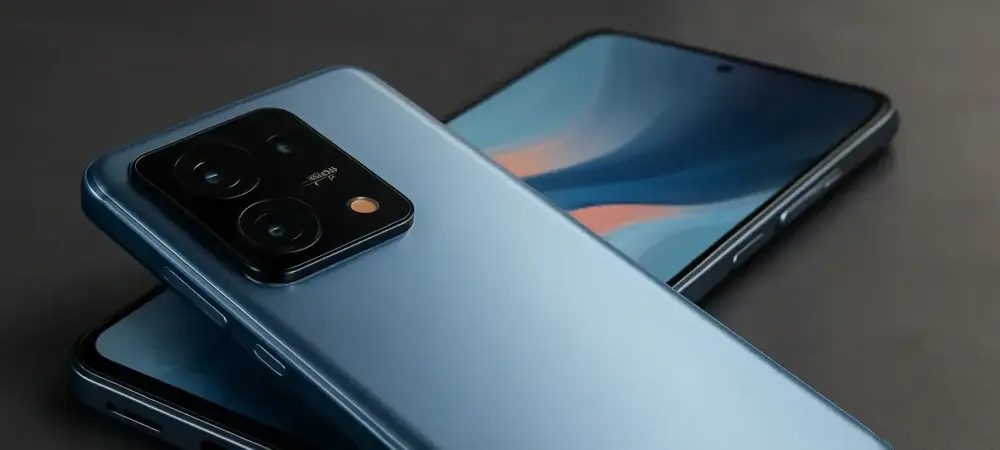
The Redmi K90 Pro Max has garnered attention for its impressive hardware, positioning it as a formidable flagship in the smartphone arena. Powered by the Snapdragon 8 Elite Gen 5 processor, this device promises exceptional performance for gaming, multitasking, and other demanding applications. Its design mirrors high-end models like the Xiaomi 17 Pro Max, particularly in terms of display quality and camera capabilities, making it a visually and functionally appealing choice.
Beyond processing power, the phone boasts a versatile camera system with a primary sensor, an ultrawide lens, and a 5x telephoto lens, delivering outstanding photography results across various conditions. Additional highlights include a 2.1 stereo sound system tuned by Bose for immersive audio and a robust 7,560 mAh battery supported by 100 W fast charging, ensuring prolonged usage without frequent recharges. These features collectively suggest that the device competes with other premium smartphones on the market.
Interestingly, the Redmi K90 Pro Max is expected to be rebranded for global markets as the Poco F8 Ultra, indicating Xiaomi’s strategy to tailor its offerings for diverse audiences. This rebranding could potentially address some regional preferences, though for now, importers provide early access to the original version. Such specifications underline why this smartphone has become a topic of discussion among tech enthusiasts seeking high performance at a potentially accessible price point.
How Does the Pricing Differ Between China and International Markets?
One of the most pressing concerns for potential buyers is the notable price disparity when purchasing the Redmi K90 Pro Max outside of China. In its home market, the base model with 12 GB of RAM and 256 GB of storage is priced at approximately $561, while the top-tier variant with 16 GB of RAM and 1 TB of storage costs around $743. These figures reflect a cost structure tailored to the local economy and Xiaomi’s competitive positioning within China.
In contrast, international buyers accessing the device through retailers like Giztop face a significant markup due to import costs and retailer margins. The same base model starts at $699, and the higher-end configuration reaches $949, representing a substantial increase over domestic prices. This trend is common in the smartphone industry, where global distribution often involves additional expenses such as shipping, taxes, and currency conversion fees.
Despite the hike, the import pricing can still be considered reasonable when compared to other flagship devices with similar specifications available internationally. For consumers eager to own cutting-edge technology before an official global release, this cost might be seen as a fair trade-off. However, understanding these differences is crucial for budgeting and evaluating whether the added expense aligns with the value offered by the phone’s features and early availability.
What Are the Challenges of Buying an Imported Chinese Smartphone?
Purchasing an imported device like the Redmi K90 Pro Max comes with a unique set of challenges that buyers must carefully consider. Primarily, the smartphone ships with Chinese firmware, which, although equipped with Xiaomi’s HyperOS supporting multiple languages, includes pre-installed apps designed for the Chinese market. Often labeled as bloatware by international users, these apps can clutter the device and may not be easily removable, impacting user### user experience.
Another hurdle is the potential incompatibility with certain features that are standard in other regions. For instance, functionalities like Android Auto might not operate seamlessly due to regional software optimizations, creating inconvenience for users reliant on such integrations. This reflects a broader issue with imported tech, where software is not always fully adapted for global usage, leading to functional limitations that could frustrate some buyers.
Additionally, warranty terms for imported units differ significantly from those provided by official manufacturer channels. Retailers like Giztop offer their own warranty policies, which may not match the coverage or reliability of Xiaomi’s direct support. This discrepancy poses a risk, as repairs or replacements could be more complicated or costly outside of China, emphasizing the need to weigh the excitement of early access against these practical constraints.
Is the Import Price Hike Justified by the Device’s Value?
Evaluating whether the increased cost of importing the Redmi K90 Pro Max is justified requires a balanced look at its overall value proposition. On one hand, the device offers premium hardware—such as its powerful processor, advanced camera system, and long-lasting battery—that rivals many flagship smartphones priced similarly or higher in international markets. For tech enthusiasts or those seeking a high-performance device at a still-competitive rate, the markup might seem acceptable.
On the other hand, the challenges associated with imported units, including software quirks and warranty uncertainties, could detract from the perceived value for some users. If seamless integration with global apps and services or reliable after-sales support is a priority, the additional cost may not feel warranted. The decision hinges on individual needs, such as the urgency to own the latest technology versus the patience to wait for an official global release with potentially better support.
Ultimately, the justification of the price hike depends on how much weight is given to early access and cutting-edge features versus the potential inconveniences. For those comfortable navigating software workarounds and accepting retailer-specific warranty terms, the Redmi K90 Pro Max presents a compelling option. However, a cautious approach would involve comparing these factors against alternatives already available in local markets to determine the best fit.
Summary of Key Insights
This FAQ has explored the critical aspects surrounding the Redmi K90 Pro Max, a flagship smartphone from Xiaomi that has captured global attention through its availability via import. The discussion highlights the device’s impressive features, including a top-tier processor, advanced camera setup, and substantial battery life, positioning it as a strong contender in the premium segment. Pricing disparities between the Chinese market and international importers like Giztop reveal a significant markup, though the cost remains competitive for a device of this caliber.
Challenges such as Chinese firmware with region-specific apps, potential feature incompatibilities, and differing warranty terms have also been addressed, underscoring the trade-offs of importing such a smartphone. The anticipated rebranding as the Poco F8 Ultra for global markets suggests Xiaomi’s intent to broaden accessibility, yet current importers cater to early adopters willing to navigate these complexities. These points collectively provide a nuanced view of the device’s appeal and limitations.
For further exploration, readers might consider researching user reviews on platforms hosting discussions about imported smartphones or visiting Xiaomi’s official channels for updates on global releases. Comparing the Redmi K90 Pro Max with other flagships available locally can also offer additional context. This summary encapsulates the essential considerations, ensuring a well-rounded perspective on whether the import price aligns with the value delivered.
Final Thoughts
Reflecting on the journey through the intricacies of the Redmi K90 Pro Max, it becomes clear that the decision to import this device hinges on balancing innovation with practicality. The excitement of owning a cutting-edge smartphone is tempered by the hurdles of software adaptation and support challenges that accompany the purchase. This dichotomy underscores a broader theme in the tech world about the allure of early access versus the stability of established distribution. Moving forward, potential buyers are encouraged to assess their tolerance for minor inconveniences against their desire for premium features at a competitive, albeit inflated, price. A practical next step involves creating a checklist of must-have functionalities and comparing them with the phone’s offerings and limitations. Exploring local alternatives that might offer similar performance without the import caveats also emerges as a wise consideration.
Lastly, staying updated on Xiaomi’s announcements regarding the global rollout as the Poco F8 Ultra could provide a more seamless ownership experience in the long run. This approach not only empowers consumers to make informed choices but also highlights the evolving landscape of international tech accessibility. Embracing such strategies ensures that enthusiasm for innovation is matched with pragmatic decision-making tailored to individual circumstances.