

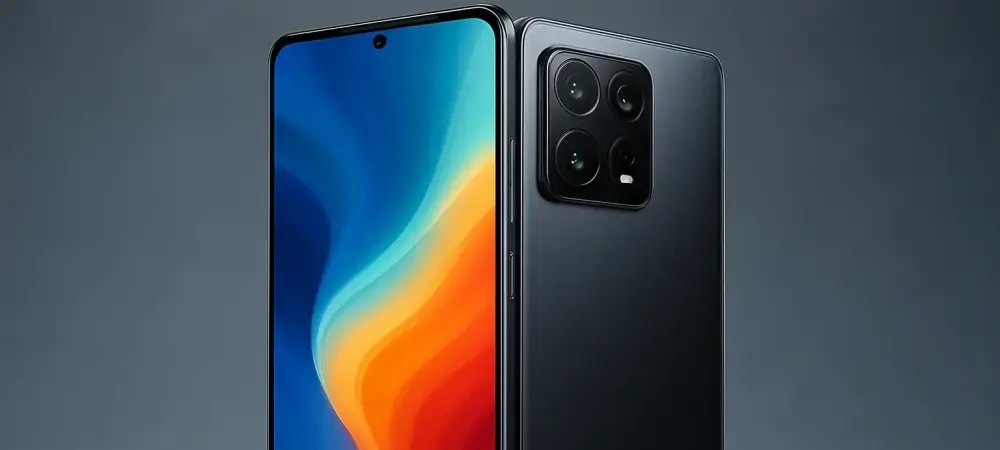
I’m thrilled to sit down with Dominic Jainy, an IT professional whose deep expertise in cutting-edge technologies like artificial intelligence, machine learning, and blockchain gives him a unique perspective on the latest advancements in mobile hardware. Today, we’re diving into the exciting world of Xiaomi’s newest global flagship, the Poco F8 Ultra. Our conversation explores what sets this device apart in the competitive smartphone market, its standout performance capabilities, the significance of its powerful chipset, and what we can anticipate as it prepares for a global launch. Let’s get started!
Can you share what makes the Poco F8 Ultra a noteworthy addition to Xiaomi’s lineup of global flagship devices?
Absolutely, the Poco F8 Ultra is shaping up to be a game-changer, especially because it’s positioned as an “affordable” flagship. Xiaomi has a knack for delivering high-end specs at a price point that undercuts many competitors, and this device seems to follow that trend. It’s essentially a rebranded version of the Redmi K90 Pro Max from China, which means it’s bringing proven hardware to a broader audience with potentially some tweaks for global markets. This strategy helps Xiaomi maintain a strong foothold by offering premium performance without the premium price tag.
How does the Poco F8 Ultra’s affordability stack up against other flagship phones in the market?
When we talk about affordability in the flagship space, it’s all about value for money. Most top-tier phones from major brands come with hefty price tags, often exceeding $1,000 for cutting-edge tech. The Poco F8 Ultra, based on Xiaomi’s track record with the Poco series, likely targets a sweet spot—offering near-identical performance and features to those pricier models but at a fraction of the cost. It’s a compelling choice for users who want flagship power without breaking the bank.
Let’s dive into the performance numbers. How impressive are the Geekbench scores of 3,327 for single-core and 9,872 for multi-core on the Poco F8 Ultra?
Those scores are quite strong, especially for a device that’s still in the pre-release phase. A single-core score of 3,327 indicates excellent performance for tasks that rely on a single thread, like basic apps or quick processing. The multi-core score of 9,872 is even more telling—it shows the phone can handle heavy multitasking and demanding workloads like video editing or gaming with ease. For context, these numbers put it in the upper echelon of current smartphones, though there’s still room to climb with final optimizations.
Why do you think these benchmark scores aren’t the highest we’ve seen for devices with the same Snapdragon 8 Elite Gen 5 chip?
It’s not unusual to see slightly lower scores in early benchmark listings like this one. The Snapdragon 8 Elite Gen 5 is a beast of a chip, but raw hardware power needs fine-tuned software to really shine. Xiaomi is likely still working on optimizing the operating system and drivers to squeeze every bit of performance out of the chipset. Early builds often prioritize stability over peak performance, so I’d expect those scores to inch higher by the time the phone hits shelves.
Speaking of the chipset, why is the Snapdragon 8 Elite Gen 5 such a big deal for the Poco F8 Ultra?
This chip represents the pinnacle of mobile processing power right now. It’s built on cutting-edge architecture that prioritizes both raw speed and energy efficiency, which means you get blazing-fast performance without draining the battery too quickly. With clock speeds hitting 4.61GHz on the two primary cores and 3.63GHz on the other six, it’s designed to tackle everything from everyday apps to the most intensive tasks. For the Poco F8 Ultra, this chipset ensures it’s not just competing with other flagships—it’s setting a new standard for what an affordable device can achieve.
How do those specific clock speeds impact what users can expect from the phone’s performance?
The high clock speeds—4.61GHz on the main cores—mean the phone can process critical tasks incredibly fast, like launching apps or rendering complex graphics. The slightly lower 3.63GHz on the other six cores handles background processes and multitasking efficiently. This setup creates a balance where the phone can push hard when needed, like during gaming or 4K video playback, while still managing power for less demanding activities. Users will notice snappy responses and smooth operation, even under heavy use.
The Poco F8 Ultra was tested with 16GB of RAM, more than its sibling, the Poco F8 Pro. What’s your take on why Xiaomi made this choice for the Ultra model?
Offering 16GB of RAM on the Ultra model is a clear move to differentiate it as the premium option in the lineup. While 12GB on the Pro is plenty for most users, bumping it up to 16GB signals that the Ultra is built for power users who need extra headroom. It’s about future-proofing the device for increasingly demanding apps and ensuring it can handle intense multitasking—like running multiple heavy apps or editing high-resolution content—without a hitch.
Who do you think Xiaomi is targeting with a phone packing this much RAM?
This configuration screams power users and enthusiasts. Think gamers who want to run the latest titles at max settings without lag, content creators editing videos or photos on the go, or even professionals using their phone as a mini workstation with tons of apps open simultaneously. It’s also appealing to tech-savvy folks who simply want the best specs available, knowing that 16GB of RAM keeps the device relevant for years as software demands grow.
Since this Geekbench listing is from an early build, what kind of improvements or changes might we see in the final version of the Poco F8 Ultra for global markets?
Early benchmarks are just a sneak peek, so I’d expect Xiaomi to refine a few things before launch. Software optimization is the big one—tweaking the OS to better harness the hardware could boost those benchmark scores and improve real-world performance. We might also see adjustments in power management to extend battery life or even minor hardware tweaks based on testing feedback. Plus, Xiaomi often holds back some surprises, like unique design elements or additional features, to reveal closer to the release date.
How crucial is software optimization in getting the most out of a device like the Poco F8 Ultra?
It’s absolutely critical. Hardware like the Snapdragon 8 Elite Gen 5 is only as good as the software driving it. Optimization ensures the chip, RAM, and other components work in harmony—reducing lag, managing heat, and maximizing efficiency. Without it, you’re leaving performance on the table. Xiaomi has a history of rolling out updates post-launch to fine-tune their devices, so I’m confident the final product will feel even smoother than what these early numbers suggest.
What is your forecast for the Poco F8 Ultra’s impact on the affordable flagship market once it launches globally?
I think it’s going to shake things up significantly. The combination of top-tier specs like the Snapdragon 8 Elite Gen 5 and 16GB of RAM at a presumably lower price point could redefine what consumers expect from an affordable flagship. It might pressure other brands to step up their game in this segment, driving more innovation and better value across the board. If Xiaomi nails the software and pricing, the Poco F8 Ultra could become a go-to choice for anyone looking for premium performance without the premium cost.