

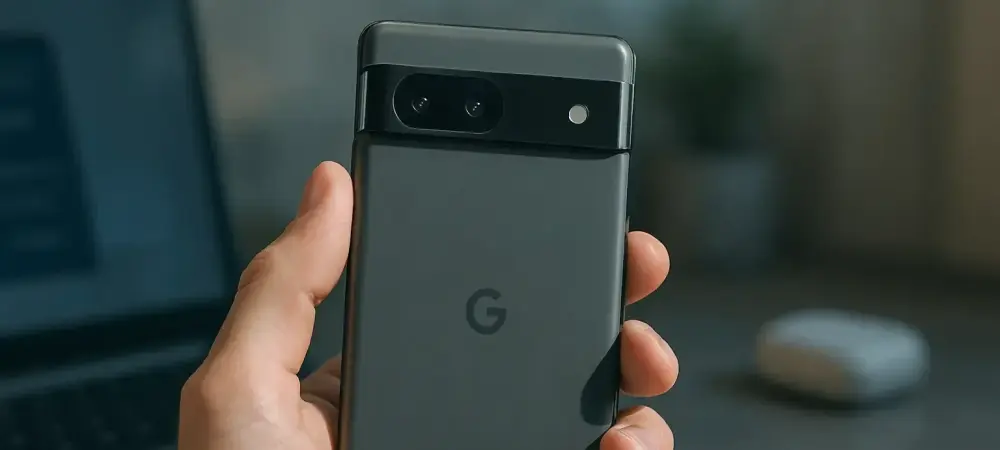
With the allure of deep Black Friday discounts knocking up to $300 off the price, Google’s latest flagship lineup presents a tempting proposition for anyone in the market for a new smartphone. The Pixel 10 series arrives with the promise of unparalleled AI intelligence and sophisticated camera technology, but the true measure of its value lies in whether these cutting-edge features can compensate for significant compromises in core areas. This review aims to dissect the entire family—the Pro XL, Pro, and standard models—to determine if it represents a forward-thinking investment or a fundamentally flawed device, even at a reduced price.
Is the Pixel 10 Series a Smart Buy?
The central question surrounding the Pixel 10 series is one of balance. This review seeks to determine if Google’s vision for an AI-centric smartphone is compelling enough to make its shortcomings in performance and battery life acceptable to the average user. With heavy discounts currently in play, the value proposition shifts, making it critical to assess whether a lower price point justifies a compromised flagship experience. The goal is to provide a clear verdict on whether this device is a smart purchase right now.
Ultimately, this analysis will weigh the phone’s unique software strengths against its hardware weaknesses. While the Pixel lineup is lauded for its clean user interface and intelligent features, it faces stiff competition from rivals that offer more robust performance and superior battery endurance. The verdict will hinge on whether the Pixel’s specialized talents are a fair trade-off for its very tangible, everyday limitations.
An Overview of the 2024 Pixel Family
Google’s strategy for this year’s lineup centers on a shared technological core across three distinct models: the Pixel 10 Pro XL, the Pixel 10 Pro, and the standard Pixel 10. All three devices are powered by the new Tensor G5 chipset, an in-house processor designed not for raw speed but to accelerate on-device artificial intelligence and machine learning tasks. This focus defines the entire user experience, prioritizing smart features over sheer processing power.
While the Tensor G5 is the common thread, the models diverge significantly in their physical attributes and capabilities. The Pro and Pro XL are distinguished by their exceptionally bright and vibrant displays, larger batteries, and more advanced camera systems. In contrast, the standard Pixel 10 offers a more compact 6.3-inch form factor with a lower-resolution screen and a notably downgraded, mid-range camera setup, positioning it as a more accessible but less capable entry into the ecosystem.
Performance in the Real World
In daily use, the Tensor G5 chipset reveals its dual nature. While it handles routine tasks and navigating the user interface with a satisfying smoothness, it falters under more strenuous loads. Intensive multitasking and gaming expose the processor’s inefficiencies, leading to performance that does not measure up to other flagship devices in the same price bracket. This performance gap is a critical consideration for users who demand consistent power from their smartphones.
This inefficiency directly impacts one of the most crucial aspects of a modern phone: battery life. Despite being equipped with large cells—a 5,200mAh battery in the Pro XL and a 4,870mAh unit in the Pro—the entire series delivers disappointing endurance. Active use scores fall short of expectations, and the experience is further hampered by the Pixel 10 Pro’s slow charging speeds, which makes topping up during the day a frustratingly long process.
The camera systems also present a mixed picture. The Pixel 10 Pro and Pro XL share a capable triple-lens setup—a 50MP main, a 48MP 5x periscope, and a 48MP ultra-wide—that produces reliably good photos and videos, though it doesn’t quite lead the class. The standard Pixel 10, however, receives a significantly less powerful camera array. A major performance caveat across the lineup is the storage configuration; the 128GB base models for both the standard and Pro versions use slower UFS 3.1 storage, creating a noticeable bottleneck compared to the faster UFS 4.0 found in the 256GB variants.
The Good and The Bad
The Pixel 10 series shines brightest in its software and display technology. The user interface is clean, fluid, and packed with powerful AI-driven features that genuinely enhance the user experience, from call screening to photo editing. Moreover, the Pro and Pro XL models boast brilliant displays that are among the brightest on the market, offering excellent visibility even in direct sunlight and making media consumption a pleasure.
However, the lineup’s weaknesses are fundamental. The inefficient Tensor G5 processor is the primary source of frustration, leading directly to the series’ poor battery endurance. This is compounded by slow charging on the Pro model and the puzzling decision to equip the 128GB base models with outdated UFS 3.1 storage, a choice that compromises the phone’s overall responsiveness and feels out of place in a flagship device.
Final Verdict on the Pixel 10
The evaluation concluded that the Google Pixel 10 series is a product line defined by a deep conflict between its ambitions and its execution. It excelled in delivering a sophisticated software experience and a premium display on its Pro models, yet it failed to provide the foundational performance and battery life expected from a flagship smartphone. These shortcomings were not minor inconveniences but significant flaws that impacted the core user experience.
Therefore, a recommendation for the Pixel 10 series comes with strong qualifications. The phones were found to be a reasonable consideration only when factoring in the substantial Black Friday discount. For those who proceed, it is strongly advised to purchase the 256GB models to bypass the performance limitations imposed by the slower storage technology used in the base-tier versions.
Who Is This Phone For?
The Pixel 10 series is best suited for a specific type of user: the Google ecosystem loyalist who values software intelligence above all else. This individual prioritizes on-device AI features, a clean Android experience, and the simplicity of Google’s still photography. They are likely a casual user who will not push the processor with heavy gaming or multitasking and is willing to tolerate mediocre battery life in exchange for unique software perks.
For anyone considering a purchase, the current deals make the Pixel 10 a tempting, yet undeniably compromised, flagship choice. It is a device for those who understand and accept its trade-offs, not for users seeking the best all-around performance. For the right person, it offers a unique and intelligent experience, but for many others, its fundamental weaknesses will be too significant to overlook.