

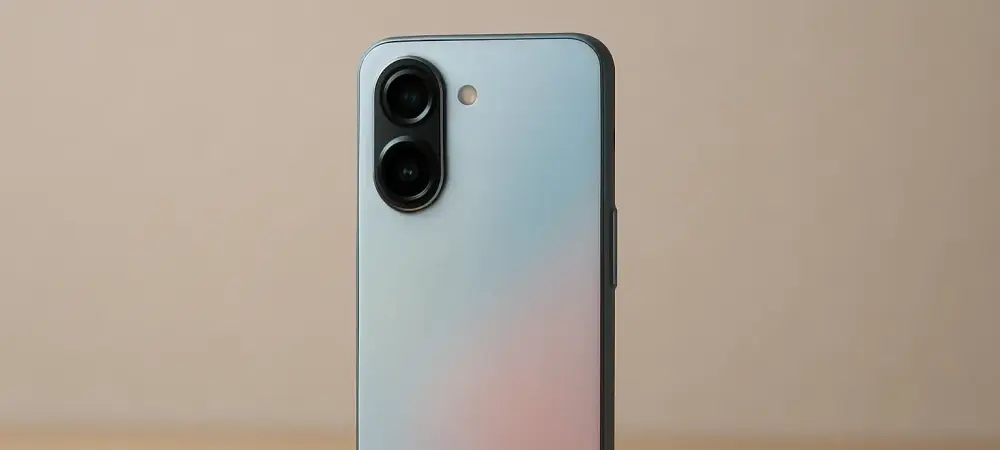
In an era where smartphone screens keep expanding, a surprising statistic emerges: nearly 30% of users still crave compact devices for ease of use and portability, according to recent industry surveys, sparking intense competition among manufacturers to deliver smaller yet powerful handsets in the mid-range segment. Enter the Oppo Reno15, a device that promises flagship-level features in a pocket-friendly form factor. This roundup gathers insights, opinions, and reviews from various tech enthusiasts, industry analysts, and user communities to evaluate whether this smartphone truly stands out as a game-changer for those seeking a balance of size and performance. The discussion dives into its design, camera capabilities, hardware prowess, and overall value to paint a comprehensive picture of its place in the market.
Exploring Diverse Perspectives on the Oppo Reno15
Design and Portability: A Compact Marvel or a Compromise?
Feedback from tech blogs highlights the Oppo Reno15’s dimensions—151 x 72 x 7.99 mm—as a breath of fresh air compared to the sprawling designs dominating today’s market. With a 6.32-inch AMOLED display boasting a 120 Hz refresh rate and 1,800 nits peak brightness, many reviewers praise its ability to rival upcoming flagships in visual clarity while fitting comfortably in one hand. This compactness resonates with users tired of oversized devices that strain pockets and wrists.
On the flip side, some user communities on social platforms argue that the smaller screen size might hinder immersive experiences like gaming or streaming. A segment of feedback suggests that while the pixel density of 460 PPI ensures sharp visuals, the reduced real estate could feel limiting for multitasking. This sparks a debate on whether portability justifies potential usability trade-offs in a media-driven world.
Industry observers note a broader trend toward compact devices, with data indicating a steady rise in demand over the past few years. The Reno15’s design is often cited as a timely response to this shift, though opinions differ on whether its dimensions strike the perfect balance or lean too far into niche territory. These varied takes underline the challenge of catering to diverse user needs in a single form factor.
Camera Capabilities: A Mid-Range Photography Titan?
The Reno15’s camera system, featuring a 200 MP primary sensor with optical image stabilization, a 50 MP telephoto lens, and a 50 MP ultra-wide lens, garners significant attention across tech forums. Many content creators and amateur photographers commend the setup for delivering exceptional detail and versatility, especially with the added 50 MP front camera for selfies. Reviews often emphasize how such specs elevate mid-range photography to near-flagship levels.
However, not all feedback is unanimously positive. Some tech analysts point out inconsistencies in low-light performance, with images occasionally losing clarity under challenging conditions. User discussions also touch on software optimization, with a few noting that post-processing could be refined to match the hardware’s potential. These critiques suggest room for improvement despite the impressive raw capabilities.
Comparisons with other mid-range contenders reveal a split in opinion. While certain reviewers rank the Reno15’s camera above competitors due to its high-resolution sensors, others argue that brands with better image algorithms might still hold an edge in real-world scenarios. This mix of admiration and constructive criticism paints a nuanced picture of the device’s photographic strengths.
Performance and Battery: Powerhouse or Just Adequate?
Under the hood, the Reno15’s MediaTek Dimensity 8450 chipset, paired with LPDDR5X RAM and UFS 3.1 storage, earns praise from tech reviewers for handling demanding tasks with ease. The 6,200 mAh battery, supported by 80 W fast charging, is another highlight, with many users appreciating the longevity during heavy usage. Community feedback often positions this combination as ideal for those seeking reliability without flagship price tags.
A point of contention arises around the absence of wireless charging, with some industry voices labeling it a missed opportunity in a market increasingly valuing convenience. Discussions on forums also question whether the chipset can keep pace with future software updates, raising concerns about long-term performance. These critiques balance the otherwise strong reception of the hardware.
Analyst perspectives often tie the Reno15’s specs to a growing expectation for mid-range devices to offer near-premium experiences. While many agree that the battery capacity aligns with current trends toward endurance, opinions vary on whether the overall power matches the hype. This diversity in thought reflects the high standards users now hold for devices in this price bracket.
Pricing and Build: Value for Money or Overpriced?
With pricing in China starting at approximately $422 for the base 12 GB/256 GB variant and reaching $563 for the 16 GB/1 TB model, the Reno15 receives mixed reactions on affordability. Tech commentators often applaud the value offered, especially with an IP69 rating for dust and water resistance, which adds a premium layer of durability. Many see this as a compelling deal for a compact device with such specs.
Contrasting views emerge from user groups who speculate on global pricing adjustments if the device launches internationally. Some express skepticism about whether the cost will remain competitive outside China, especially when pitted against established mid-range players. This uncertainty fuels discussions on whether the build quality justifies potential price hikes in different markets.
Broader industry analysis suggests that the Reno15’s pricing strategy targets a sweet spot between budget and premium tiers. However, opinions differ on whether the balance of cost and features truly delivers unmatched value or merely meets expectations. These varied insights highlight the complexity of assessing affordability in a segment crowded with options.
Key Takeaways from the Roundup
Reflecting on the wealth of opinions gathered, it becomes clear that the Oppo Reno15 has carved a distinct niche with its compact design, powerful camera array, and robust performance. The diverse feedback underscores its appeal to portability-focused users while revealing areas like low-light photography and wireless charging as points of contention. Discussions across tech communities and analyst reviews paint a balanced view, with admiration for its specs often tempered by practical concerns about usability and global pricing. For those intrigued by this device, a practical next step would be to monitor Oppo’s announcements regarding international availability, as this could significantly impact accessibility and cost. Comparing the Reno15 with local mid-range alternatives might also provide clarity on its standing in specific markets. Additionally, exploring hands-on reviews or demo units, if available, could offer deeper insight into whether its compact form factor suits individual needs. These actions pave the way for informed decisions in a rapidly evolving smartphone landscape.