

In 2023, the budget smartphone market exploded with new and improved models, each vying for the top spot. One such contender making waves is the Oppo Reno 11 F 5G. This review dives into its various aspects, aiming to help you determine if it truly stands out as the best budget 5G phone of the year.
Design and Build Quality
Weatherproof and Water-Resistant Features
The Oppo Reno 11 F 5G boasts an IP65 rating, a feature not commonly found in budget smartphones. This level of protection ensures resistance against dust and minor water exposure, making it an appealing option for users who require a device that can stand up to tough environments. Whether you are caught in an unexpected rain shower or work in a dusty place, this phone can handle the elements better than most in its price range.
Compared to competitors like the Nothing Phone 2a, which only has an IP54 rating, and even some higher-end models like the Google Pixel 8a, the Oppo Reno 11 F 5G impresses with its durability, especially in its price range. This feature alone gives it an edge over its rivals, setting a precedent for what budget smartphones can offer in terms of resilience and reliability.
Build Materials and Durability
Constructed with a polycarbonate outer frame, the Oppo Reno 11 F 5G is notably lightweight at just 177 grams. This material choice contributes to the phone’s portability and ease of use, making it convenient for everyday usage. Despite its lighter weight, the phone does not compromise on strength or durability. In an impressive marketing claim, Oppo suggests that the phone can even withstand being run over by a car, which, while likely exaggerated, points to a focus on rigorous build quality.
Advertising materials for the phone claim an impressive level of toughness, even suggesting it can withstand being run over by a car. Although this may be marketing hyperbole, the device endured several weeks of regular use without visible damage, attesting to its ruggedness. Whether dropped occasionally or subjected to casual everyday wear and tear, the Oppo Reno 11 F 5G holds up exceptionally well, indicating it can be a dependable companion for the long haul.
Design Aesthetic
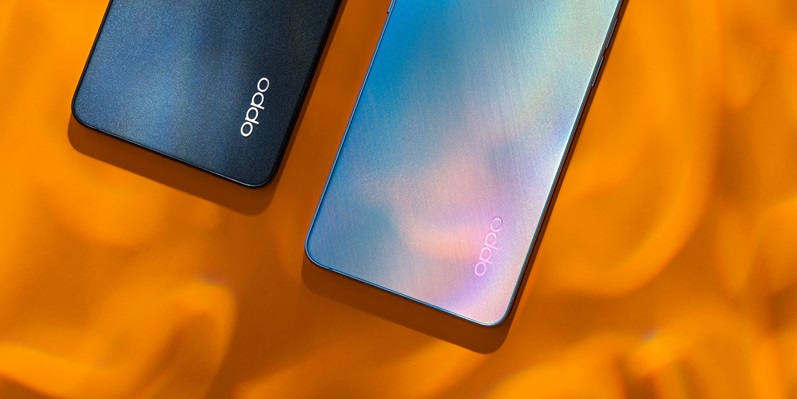
The review unit for the UK market comes in Palm Green, with additional color options like Ocean Blue and Coral Purple available in other regions. The green finish offers a minimalist aesthetic but is somewhat prone to fingerprint smudges. This simplistic design does have its drawbacks in terms of maintenance, but it brings a clean and understated look that appeals to a wide range of users.
The under-display fingerprint sensor is both quick and accurate, providing convenient unlocking methods alongside a face unlock feature, which, though less secure, adds to the device’s practicality. However, the phone lacks an IR blaster, a feature common in some premium models that allows for remote control functionality. This absence is somewhat mitigated by the inclusion of a microSD card slot for expandable storage, supplementing the ample 256GB onboard. Such thoughtful incorporation of practical features showcases Oppo’s understanding of user needs in the budget market, making the Reno 11 F 5G a competent and balanced offering.
Display and Audio Experience
AMOLED Display Performance
The Oppo Reno 11 F 5G’s 6.7-inch AMOLED panel delivers vibrant colors, deep blacks, and excellent contrast, essential for an engaging visual experience. Its dynamic refresh rate, fluctuating between 60Hz and 120Hz, ensures smooth transitions and interactions, although forcing a consistent 120Hz can drain the battery faster. The display’s adaptability provides a fluid experience for media consumption and gaming while allowing users to manage power usage according to their activity.
With a resolution of 2412×1080, the display maintains a decent pixel density, offering detailed visuals at standard viewing distances. This makes it a pleasure for everyday activities such as browsing, watching videos, or even reading e-books. A peak brightness of 1100 nits enhances usability in bright conditions, ensuring that the screen remains visible even under direct sunlight. Although this high level of brightness is fantastic for outdoor use, it should be noted that darker scenes, particularly in movies or games, are best viewed in shaded areas to prevent any potential washout or glare.
Audio Performance
Audio quality is where the Oppo Reno 11 F 5G shows some limitations. The single speaker lacks robust bass and tends to produce shrill high frequencies. This imbalance in the audio spectrum can detract from the overall multimedia experience, making it less ideal for music enthusiasts or those who frequently engage in video calls or watch movies on their phones. Despite this, the phone manages to maintain acceptable audio clarity for everyday tasks like call conversations and casual listening.
An “ultra volume” mode increases loudness but at the cost of considerable distortion, making it less ideal for clear audio playback. While this feature might be handy in noisy environments where maximum volume is necessary, the trade-off in sound quality means it is not something users would want to rely on regularly. The compromise in audio performance might be a critical deciding factor for potential buyers who place high importance on sonic clarity. However, it still offers basic functional audio capabilities that meet standard user needs adequately.
Camera Capabilities
Rear Cameras
The Oppo Reno 11 F 5G features a versatile triple-camera setup: a 64MP main sensor, an 8MP ultrawide lens, and a 2MP macro lens. The main sensor excels in outdoor conditions, producing images with natural color tones and rapid focus, though it lacks optical image stabilization (OIS), making it susceptible to hand shake and less effective in low-light conditions. This absence of OIS can affect photo quality, especially in scenarios requiring steady hands, but the sensor’s overall performance remains commendable for a device in this price segment.
The 8MP ultrawide lens, while useful, falls short in terms of detail and color accuracy compared to the main sensor. This lens serves more as a supplementary feature rather than a primary shooter, ideal for group shots or capturing expansive landscapes but not for detailed photography. Moreover, the camera’s pro mode is limited to the main sensor, and switching between lenses can be sluggish. The 2x zoom toggle effectively crops the output from the main sensor during daylight, maintaining reasonable detail but faltering in low-light scenarios. These limitations highlight that while the camera system is versatile, it is best used within its optimal conditions for the most satisfactory results.
Selfie Camera
The 32MP front camera ensures sharp and detailed selfies, with good color accuracy. By default, the face-retouching feature is enabled, which may need to be turned off for more natural results, catering to users seeking authenticity in their selfies. This customization ensures that the phone can cater to both users who prefer enhanced visuals and those who lean towards a more natural look, adding a level of versatility to its selfie-capturing capabilities.
For video calls and social media uploads, the front-facing camera performs admirably, delivering high-quality visuals that hold up well even under varying lighting conditions. Whether you are in a well-lit environment or a dimly lit room, the front camera adapts to deliver the best possible image quality, making it a reliable choice for regular use. Overall, the front camera serves as one of the stronger aspects of the device, balancing out some of the shortcomings found in the rear camera system and fortifying the Oppo Reno 11 F 5G’s appeal to a broader audience.
Software and User Experience
User Interface
The Oppo Reno 11 F 5G runs on ColorOS based on Android 14, combining the best of Android’s versatility with Oppo’s distinctive tweaks. Customizable app icons, revamped Quick Settings, and a highly versatile home screen adorned with proprietary widgets make the user experience more engaging. The aesthetic and functional enhancements brought by ColorOS contribute significantly to the phone’s overall appeal, allowing users to personalize their device to match their preferences.
A standout feature is Smart Image Matting, allowing users to create stickers by cutting out subjects from images accurately. Originally introduced by Apple, this feature is effectively adopted by Oppo, adding a fun and functional element to the user interface. This innovation showcases Oppo’s ability to blend practicality with creativity, enhancing the overall utility of the device. Users who enjoy customizing and creating multimedia content will find this feature particularly appealing, adding another layer of engagement to their smartphone experience.
Bloatware and Updates
The device comes preloaded with numerous third-party applications. While these can be uninstalled to achieve a cleaner user experience post-setup, it’s an initial inconvenience for those who prefer a minimalist approach. Despite this, the ease with which these applications can be removed shows that Oppo has taken user control into account, allowing for a more tailored experience once initial configurations are completed.
Oppo’s commitment to long-term software support is evident in its promise of three major Android updates and four years of security patches. This level of dedication to software maintenance enhances the phone’s value proposition, ensuring that users can enjoy new features and improved security over a more extended period. In a market where ongoing support can often make or break a purchase decision, Oppo’s approach to software updates adds a reassuring layer of reliability to the Oppo Reno 11 F 5G.
In 2023, the budget smartphone market has seen a surge of new and significantly improved models, all competing fiercely for the title of the best affordable 5G phone. Among the fresh contenders making a substantial impact is the Oppo Reno 11 F 5G. This smartphone has drawn considerable attention with its blend of impressive features and budget-friendly pricing.