

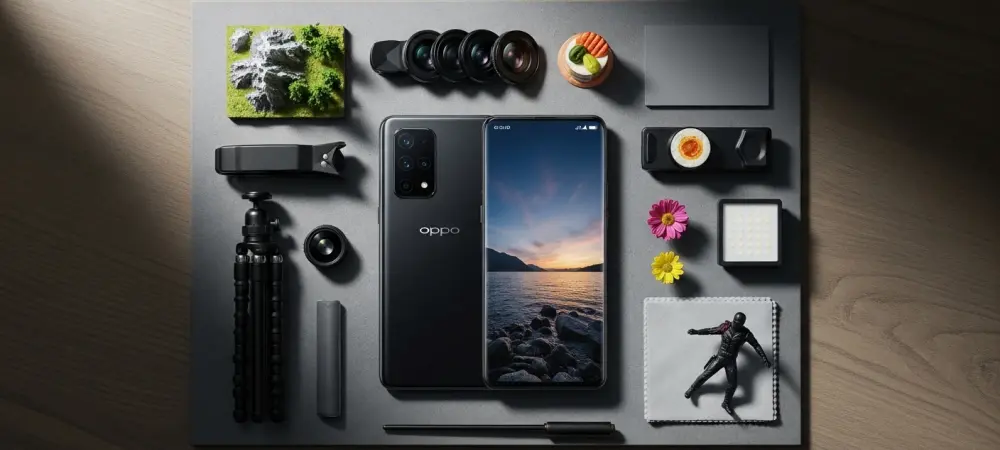
The Next Frontier in Smartphone Imaging Excellence
The modern smartphone industry has transformed into a high-stakes arena where the quality of a camera sensor often dictates a brand’s market survival and prestige. As professional-grade content creation becomes a baseline expectation for high-end users, the Oppo Find X9 Ultra enters the scene as a potential disruptor of the established order. This device represents a calculated bet that superior internal optics and light-gathering capabilities can outweigh the trend of using external accessories or heavy software filters. By merging a long-term partnership with Hasselblad with massive hardware shifts, Oppo aims to convince the global market that its “Ultra” designation is more than a marketing label; it is a promise of definitive imaging leadership in a pocket-sized form factor.
The Evolution of the Ultra-Premium Camera Phone
Observing the trajectory of flagship devices over the last few years reveals a move away from simple megapixel counts toward the more complex physics of light. Manufacturers initially chased high numbers to impress consumers, but the industry eventually realized that larger “1-inch type” sensors and periscope modules were the true keys to professional results. This shift forced a change in how we define a “premium” camera, moving the focus from digital interpolation to raw optical quality.
Oppo has remained a central figure in this transition by consistently refining how telephoto lenses function in slim chassis. The historical context of the Find X series demonstrates a clear pattern of pushing the boundaries of zoom engineering. This background is essential for understanding the Find X9 Ultra’s current mission, which is to solve the persistent issues of graininess and poor clarity that have long plagued smartphone zoom photography in low-light environments.
Breaking Down the Hardware: Engineering the Telephoto Champion
Maximum Light Intake Through Massive Sensor Integration
The most striking technical achievement of the Find X9 Ultra is its 3x periscope telephoto lens, which utilizes a massive 200 MP sensor with a 1/1.28-inch footprint. This specific hardware choice leads to a staggering 136 percent increase in light sensitivity compared to the previous generation. Such a leap in performance means that the camera can maintain high shutter speeds and low noise levels even when the environment is far from ideal.
Furthermore, the versatility of this sensor allows for a high-quality 6x crop that still manages to gather 23 percent more light than older dedicated 6x lenses. This design philosophy suggests that a single, exceptionally large sensor can provide better results across multiple zoom ranges than a collection of smaller, specialized modules. It challenges the industry standard by proving that physical sensor size remains the ultimate arbiter of image quality.
The Duel of Apertures and Focal Lengths
While competitors like the Vivo X300 Ultra have opted for longer 85mm focal lengths, Oppo has chosen a 70mm equivalent paired with a significantly wider f/2.2 aperture. This decision emphasizes “optical speed,” which is crucial for freezing motion in dimly lit rooms or during evening events. By prioritizing a brighter system over raw focal length, the device offers a more practical tool for everyday photography where light is often the limiting factor.
The primary camera follows a similar logic, utilizing the Sony LYT-901 sensor. Although this sensor is slightly smaller than the previous one-inch standard, the inclusion of an f/1.5 aperture allows it to outshine rivals that use narrower openings. This wider aperture effectively gathers more light, mitigating the risk of motion blur and ensuring that the sensor’s 200 MP resolution is fully utilized to capture fine details rather than just digital noise.
Integrated Optics Versus External Modular Solutions
A major point of divergence in the current market is the approach to extreme long-range photography. Some manufacturers are experimenting with external optical extenders to reach focal lengths of 400mm, essentially turning the phone into a modular camera body. Oppo, however, has doubled down on an integrated 10x optical zoom system, favoring a self-contained unit that maintains structural integrity and user convenience.
This commitment to internal hardware reflects a belief that a premium smartphone should remain a “point-and-shoot” powerhouse without requiring extra gear. By focusing on a brighter 14mm ultra-wide lens and superior internal glass, the device addresses regional market demands for a seamless experience. This approach positions the Find X9 Ultra as a specialized tool for those who want DSLR-like performance without the bulk of traditional camera equipment.
Future Trends in Computational Photography and Sensor Physics
The design of the Find X9 Ultra points toward a future where the hardware gap between mobile devices and mirrorless cameras continues to evaporate. We are entering a “physical-first” era where massive sensors and wide apertures take precedence over AI-driven sharpening or cloud-based processing. As consumer standards for privacy and local data processing increase, the reliance on high-quality on-device hardware will likely become a primary differentiator for the world’s leading brands.
Experts in the field anticipate that this focus on “super-sensors” may lead to a temporary plateau in how thin devices can become. The physical requirements of high-end optics demand space, and manufacturers are clearly choosing imaging performance over ultra-slim profiles. This trend suggests that the next few years will see a stabilization in device thickness as the industry prioritizes the light-gathering physics necessary for true professional-grade mobile photography.
Navigating the High-End Mobile Camera Market
For those looking to invest in a flagship device, the Find X9 Ultra serves as a reminder to look past marketing buzzwords like “space zoom” and focus on sensor size. The best way to achieve professional results remains a solid understanding of the relationship between aperture and depth of field—two areas where this device provides significant hardware advantages. Professionals should look to leverage the raw data provided by these 200 MP sensors to ensure maximum flexibility during post-production.
When choosing a device in this category, it is also important to consider the color science and processing pipeline. The continued partnership with Hasselblad ensures that the high-resolution data is translated into natural, aesthetically pleasing images. By integrating these specialized tools into their workflow, content creators can achieve a level of detail and color accuracy that was previously reserved for dedicated imaging hardware.
Final Verdict on the Find X9 Ultra’s Legacy
The Oppo Find X9 Ultra established a new baseline for how manufacturers should approach optical engineering in an increasingly software-dependent market. By favoring light sensitivity and internal zoom quality over external accessories, the device provided a compelling alternative to the gimmicks often found in the “Ultra” segment. This strategic focus on hardware-led imaging allowed users to capture professional-quality frames in environments that would have defeated earlier smartphone generations. Moving forward, the industry likely shifted its focus toward refining these massive sensor arrays, making them more power-efficient while maintaining the optical path integrity that Oppo championed. Professionals and enthusiasts should have prioritized mastering the raw output of these sensors to truly bridge the gap between mobile and traditional photography.