

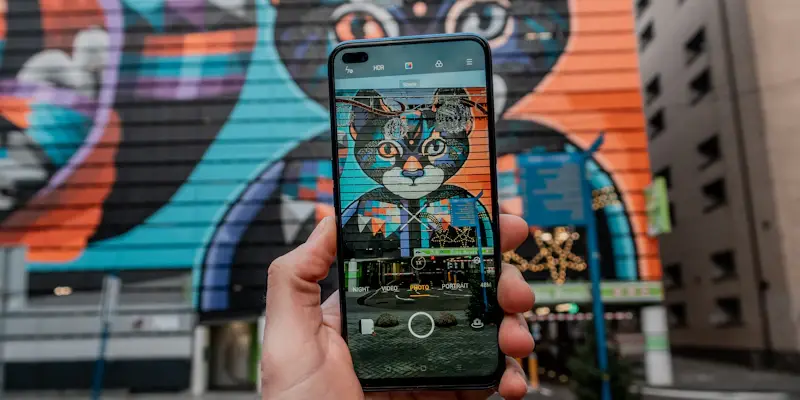
In the fiercely competitive world of smartphone photography, low-light imaging has become a battleground for superiority. With Oppo’s recent revelations, the Find X8 Ultra is emerging as a strong contender in night photography, aiming to dethrone its rivals and claim the title of the best night-time camera smartphone. The buzz surrounding the Oppo Find X8 Ultra has intensified, thanks to significant insights shared by Oppo manager Zhou Bao on Weibo. According to Bao, the smartphone, envisioned as a 2025 flagship, will bring remarkable advancements in camera technology, focusing on low-light performance and color accuracy. Dubbed the “Night God,” this eagerly anticipated device promises to deliver stunning results in nighttime photography.
Impacts of Hasselblad Partnership and Technological Advancements
Central to the Find X8 Ultra’s improved capabilities is its partnership with iconic camera maker Hasselblad. This collaboration has brought a host of enhancements, but the spotlight is on the sophisticated lens and sensor technologies dedicated to low-light performance. The new lens reportedly paves the way for sharper images and reduced noise, even under challenging lighting conditions. Hardware innovations further complement these upgrades, ensuring the device can capture vibrant colors with remarkable accuracy. This synergy aims to take the smartphone’s night photography capabilities to new heights, positioning the Find X8 Ultra as a robust alternative to established competitors.
Oppo’s collaborative efforts with Hasselblad epitomize a broader industry trend where smartphone manufacturers partner with legacy camera brands to inject professional-grade photography into pocket-sized devices. These partnerships, once perceived as mere marketing maneuvers, have resulted in mutually optimized hardware and software innovations that significantly enhance photo quality. Together, Oppo and Hasselblad seem to have devised a concoction that could potentially redefine night photography standards in smartphones. The outcome is a unique device that promises an elevated experience, showcasing how industry synergies can lead to groundbreaking advancements in consumer electronics.
Competing with Giants: Xiaomi 15 Ultra and Vivo X200 Ultra
Market rivalry with giants like the Xiaomi 15 Ultra and the Vivo X200 Ultra adds another layer of complexity to Oppo’s ambitious plans for the Find X8 Ultra. Each is a formidable rival with its standout features, making it an intense competition. The Xiaomi 15 Ultra is renowned for its impressive low-light performance, and any delays in the Find X8 Ultra’s launch could erode the competitive edge Oppo seeks to gain. Vivo’s X200 Ultra, meanwhile, takes a distinct approach by implementing three equally sized camera sensors to balance image capture quality.
Despite this stiff competition, rumors suggest the Find X8 Ultra will boast two periscope telephoto lenses and a 1-inch main camera sensor. Together with the anticipated software enhancements, these features should allow the device to deliver extraordinary zoom capabilities and superior image clarity, particularly in low-light situations. While the exact release date remains under wraps, and global launch details are unconfirmed, the tech community is abuzz with speculation. Will these hardware innovations suffice to shift loyalists from their current preferences to the Oppo camp? Only time will tell, but the potential is undeniably promising.
Aiming for the Throne: Oppo’s Vision for Low-Light Photography
Oppo’s aspirations for the Find X8 Ultra don’t merely revolve around crunching impressive specifications. Instead, it is about delivering a holistic user experience that makes night photography accessible, delightful, and, for many, transformative. The camera’s ease of use, seamless software integration, and innovative features aim to ensure that capturing beautiful nighttime shots does not require professional expertise. That’s a tall order in a crowded market.
Drawing from previous successes and failures, Oppo has managed to set a solid foundation for its future flagships, learning what resonates with consumers and what doesn’t. The focus remains steadfast on breaking new ground in low-light photography, giving users more reasons to rely on their smartphones over dedicated camera gear. How the Find X8 Ultra will strike this balance remains one of the more intriguing aspects to watch out for, as the company seeks to create a compelling narrative around its new flagship device.
The Future of Night Photography in Smartphones
In the fiercely competitive world of smartphone photography, low-light imaging has become a key battleground for superiority. With Oppo’s recent revelations, the Find X8 Ultra is emerging as a strong challenger in night photography, aiming to surpass its competitors and be crowned the best night-time camera smartphone. The buzz surrounding the Oppo Find X8 Ultra has heightened, thanks to significant insights shared by Oppo manager Zhou Bao on Weibo. Bao indicates that the smartphone, envisioned as a 2025 flagship, will introduce remarkable advancements in camera technology, particularly focusing on low-light performance and color accuracy. Dubbed the “Night God,” this eagerly anticipated device promises to deliver stunning results in nighttime photography. This enhanced low-light photography experience is expected to set new standards in the industry and attract photography enthusiasts. If the Find X8 Ultra delivers on its promises, it could pave the way for future innovations in smartphone camera technology.